Revolutionizing Farming: The Rise of US Startups in Hydroponic Farming
Category : xfarming | Sub Category : xfarming Posted on 2023-10-30 21:24:53
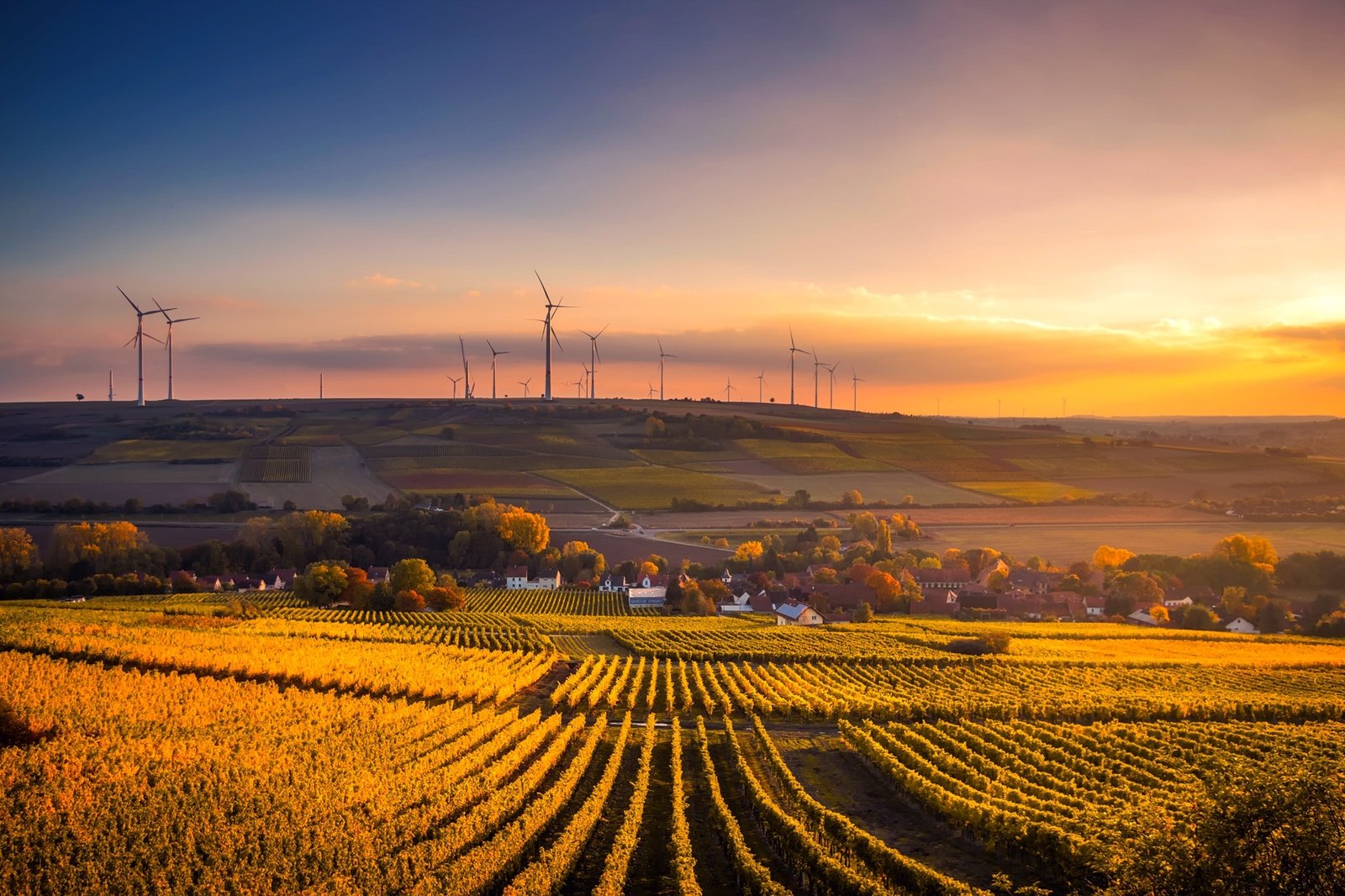
Introduction: In recent years, a growing number of US startups have been making waves in the agricultural industry through their innovative use of hydroponic farming. This soilless cultivation method has gained popularity due to its ability to produce high-quality, pesticide-free crops, conserve water, and optimize space utilization. In this blog post, we will delve into the world of hydroponic farming and explore how US startups are leading the charge in this agricultural revolution. 1. What is Hydroponic Farming? Hydroponic farming is a technique that involves growing plants without soil, instead using water and nutrients in a controlled environment. This method provides several advantages, including faster growth rates, higher crop yields, and the ability to grow crops year-round regardless of weather conditions. With hydroponics, plants receive optimal nutrition and moisture, resulting in healthier and more sustainable food production. 2. The Advantages and Benefits of Hydroponics: 2.1 Water Conservation: Compared to traditional farming methods, hydroponic systems use significantly less water. By reusing and recycling the nutrient-rich water, these systems can save up to 90% of the water consumed in traditional agriculture. 2.2 Space Efficiency: With hydroponics, plants can be grown vertically, making it possible to produce ample amounts of food in limited space. Vertical farming allows for greater crop density and multi-layered cultivation, leading to higher yields per square foot. 2.3 Elimination of Pesticides: Hydroponic farming removes the need for chemical pesticides. The controlled environment mitigates the risk of pests and diseases, resulting in pesticide-free crops, which are not only healthier but also more appealing to health-conscious consumers. 3. US Startups Leading the Hydroponic Farming Movement: 3.1 Plenty: One of the front-runners in hydroponic farming is Plenty. Based in San Francisco, Plenty utilizes vertical indoor farms to grow a wide variety of leafy greens, herbs, and other high-quality produce. With its advanced technology and data-driven approach, Plenty has been able to achieve yields 350 times higher per square foot compared to conventional agriculture. 3.2 Bowery Farming: Bowery Farming, headquartered in New York City, aims to reimagine agriculture by combining modern technology and sustainable practices. They use a network of indoor vertical farms that are equipped with AI-powered systems to monitor and optimize growing conditions. The result is a consistent supply of locally-grown, pesticide-free greens, available year-round. 3.3 AeroFarms: AeroFarms, an urban farming company based in Newark, New Jersey, has become a global leader in vertical farming. Their fully controlled, indoor vertical farms utilize aeroponic technology, which involves growing plants in a mist-like environment to maximize growth and reduce water consumption. AeroFarms specializes in growing leafy greens, and their high-tech approach allows them to deliver fresh produce to local communities with minimal environmental impact. 4. The Future of Hydroponic Farming: As the demand for fresh, locally-grown, and sustainable produce continues to increase, the potential for hydroponic farming in the US is vast. Startups like Plenty, Bowery Farming, and AeroFarms are paving the way for a more efficient and environmentally friendly agriculture industry. With increased investment and technological advancements, the future of hydroponic farming is promising. Conclusion: US startups are revolutionizing the farming industry through the implementation of hydroponic farming methods. By leveraging innovative technologies and sustainable practices, these startups are spearheading a movement towards a more efficient and environmentally conscious way of producing food. As hydroponic farming continues to gain momentum, it holds the potential to address food security concerns, reduce water consumption, and provide consumers with fresh, nutritious, and pesticide-free produce, regardless of external factors such as climate change. Click the following link for more http://www.usazilla.com
Leave a Comment:
SEARCH
Recent News
- Zurich, Switzerland, is renowned for its picturesque landscapes, vibrant culture, and thriving economy. However, thousands of kilometers away in Russia, agriculture plays a crucial role in the country's economy and food production.
- YouTube Content Creation and Translation: Exploring Russian Agriculture
- Russian agriculture has a long and rich history, being one of the leading agricultural producers in the world. From traditional farming practices to modern technology advancements, Russian agriculture has seen significant growth and development over the years. If you are interested in learning more about this fascinating industry, there is a YouTube channel that is dedicated to showcasing the intricacies of Russian agriculture.
- The development of work skills in the Russian agriculture sector is crucial for ensuring a sustainable and efficient industry. With a vast expanse of arable land and a rich history of agricultural traditions, Russia has the potential to become a global powerhouse in food production. However, this potential can only be realized through the continuous improvement and development of the skills of the workforce involved in the sector.
- Empowering Women in Politics to Drive Progress in Russian Agriculture
- **Exploring the Role of Women in Russian Agriculture**
- Russia is a country known for its vast agricultural lands and rich farming traditions. From the fertile soils of the Black Earth region to the unique climate of the Siberian steppes, Russian agriculture plays a crucial role in feeding the nation and contributing to the global food supply.
- Russian Agriculture: A Growing Industry with Technological Advances
READ MORE
10 months ago Category : xfarming

Zurich, Switzerland, is renowned for its picturesque landscapes, vibrant culture, and thriving economy. However, thousands of kilometers away in Russia, agriculture plays a crucial role in the country's economy and food production.
Read More →10 months ago Category : xfarming

YouTube Content Creation and Translation: Exploring Russian Agriculture
Read More →10 months ago Category : xfarming

Russian agriculture has a long and rich history, being one of the leading agricultural producers in the world. From traditional farming practices to modern technology advancements, Russian agriculture has seen significant growth and development over the years. If you are interested in learning more about this fascinating industry, there is a YouTube channel that is dedicated to showcasing the intricacies of Russian agriculture.
Read More →10 months ago Category : xfarming
