Community Farming: Tips and Tricks for Incorporating Technology
Category : xfarming | Sub Category : xfarming Posted on 2024-09-07 22:25:23
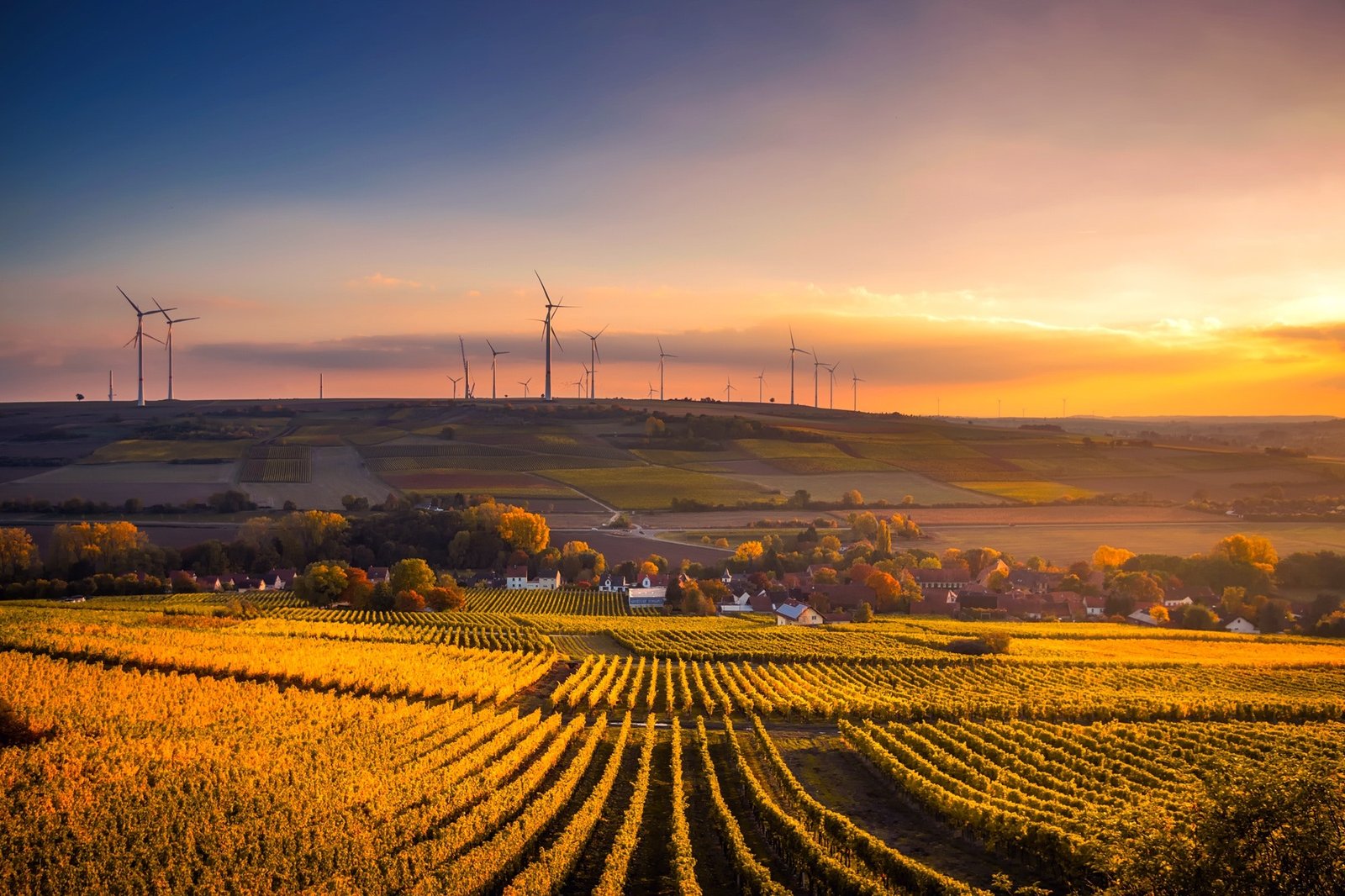
Community farming, also known as cooperative agriculture or shared farming, is a sustainable and collaborative approach to food production where individuals come together to cultivate and maintain a piece of land collectively. This practice not only promotes local food production but also fosters a sense of community and shared responsibility. In recent years, technology has played an increasing role in optimizing community farming efforts. Here are some tips and tricks for incorporating technology into community farming: 1. **Utilize Farm Management Software**: Farm management software can help streamline tasks such as crop planning, inventory management, and harvest tracking. These tools can also provide valuable insights into crop yields, expenses, and other important metrics, enabling community farmers to make more informed decisions. 2. **Implement Drip Irrigation Systems**: Drip irrigation systems deliver water directly to the roots of plants, reducing water wastage and promoting efficient water use. By incorporating this technology, community farmers can ensure that their crops receive the right amount of water at the right time, leading to healthier plants and higher yields. 3. **Use Soil Sensors**: Soil sensors measure key soil parameters such as moisture levels, pH, and nutrient content. By using soil sensors, community farmers can monitor soil conditions in real-time and adjust their irrigation and fertilization practices accordingly, resulting in optimal plant growth and health. 4. **Embrace Vertical Farming Techniques**: Vertical farming involves growing crops in vertically stacked layers or structures, often utilizing artificial lighting and hydroponic or aeroponic systems. This technology allows community farmers to maximize space utilization and grow crops year-round, regardless of climate conditions. 5. **Employ Drone Technology**: Drones equipped with cameras and sensors can provide aerial views of the farm, allowing community farmers to monitor crop health, detect pests or diseases, and assess plant growth patterns. Drones can also be used to distribute fertilizers or pesticides efficiently, minimizing manual labor and reducing environmental impact. 6. **Implement Community-Supported Agriculture (CSA) Platforms**: CSA platforms connect local farmers directly with consumers, enabling community farmers to sell their produce online and manage subscriptions or deliveries efficiently. By leveraging CSA platforms, community farmers can reach a wider audience and establish a more sustainable business model. 7. **Engage in Online Community Forums**: Online community forums and social media platforms can serve as valuable resources for community farmers to share knowledge, ask questions, and collaborate with other like-minded individuals. By actively participating in online communities, community farmers can stay informed about the latest trends, technologies, and best practices in sustainable agriculture. In conclusion, incorporating technology into community farming can enhance productivity, sustainability, and community engagement. By utilizing tools such as farm management software, drip irrigation systems, soil sensors, vertical farming techniques, drones, CSA platforms, and online community forums, community farmers can optimize their farming practices and contribute to the growth of the local food movement. Embracing technology in community farming is not only beneficial for the environment and food security but also for fostering a strong sense of community and collaboration among individuals with a shared passion for sustainable agriculture.
Leave a Comment:
SEARCH
Recent News
- Zurich, Switzerland, is renowned for its picturesque landscapes, vibrant culture, and thriving economy. However, thousands of kilometers away in Russia, agriculture plays a crucial role in the country's economy and food production.
- YouTube Content Creation and Translation: Exploring Russian Agriculture
- Russian agriculture has a long and rich history, being one of the leading agricultural producers in the world. From traditional farming practices to modern technology advancements, Russian agriculture has seen significant growth and development over the years. If you are interested in learning more about this fascinating industry, there is a YouTube channel that is dedicated to showcasing the intricacies of Russian agriculture.
- The development of work skills in the Russian agriculture sector is crucial for ensuring a sustainable and efficient industry. With a vast expanse of arable land and a rich history of agricultural traditions, Russia has the potential to become a global powerhouse in food production. However, this potential can only be realized through the continuous improvement and development of the skills of the workforce involved in the sector.
- Empowering Women in Politics to Drive Progress in Russian Agriculture
- **Exploring the Role of Women in Russian Agriculture**
- Russia is a country known for its vast agricultural lands and rich farming traditions. From the fertile soils of the Black Earth region to the unique climate of the Siberian steppes, Russian agriculture plays a crucial role in feeding the nation and contributing to the global food supply.
- Russian Agriculture: A Growing Industry with Technological Advances
READ MORE
10 months ago Category : xfarming

Zurich, Switzerland, is renowned for its picturesque landscapes, vibrant culture, and thriving economy. However, thousands of kilometers away in Russia, agriculture plays a crucial role in the country's economy and food production.
Read More →10 months ago Category : xfarming

YouTube Content Creation and Translation: Exploring Russian Agriculture
Read More →10 months ago Category : xfarming

Russian agriculture has a long and rich history, being one of the leading agricultural producers in the world. From traditional farming practices to modern technology advancements, Russian agriculture has seen significant growth and development over the years. If you are interested in learning more about this fascinating industry, there is a YouTube channel that is dedicated to showcasing the intricacies of Russian agriculture.
Read More →10 months ago Category : xfarming
