Revolutionizing Agriculture: The Role of Pyrolysis in Farming Technology
Category : xfarming | Sub Category : xfarming Posted on 2024-09-07 22:25:23
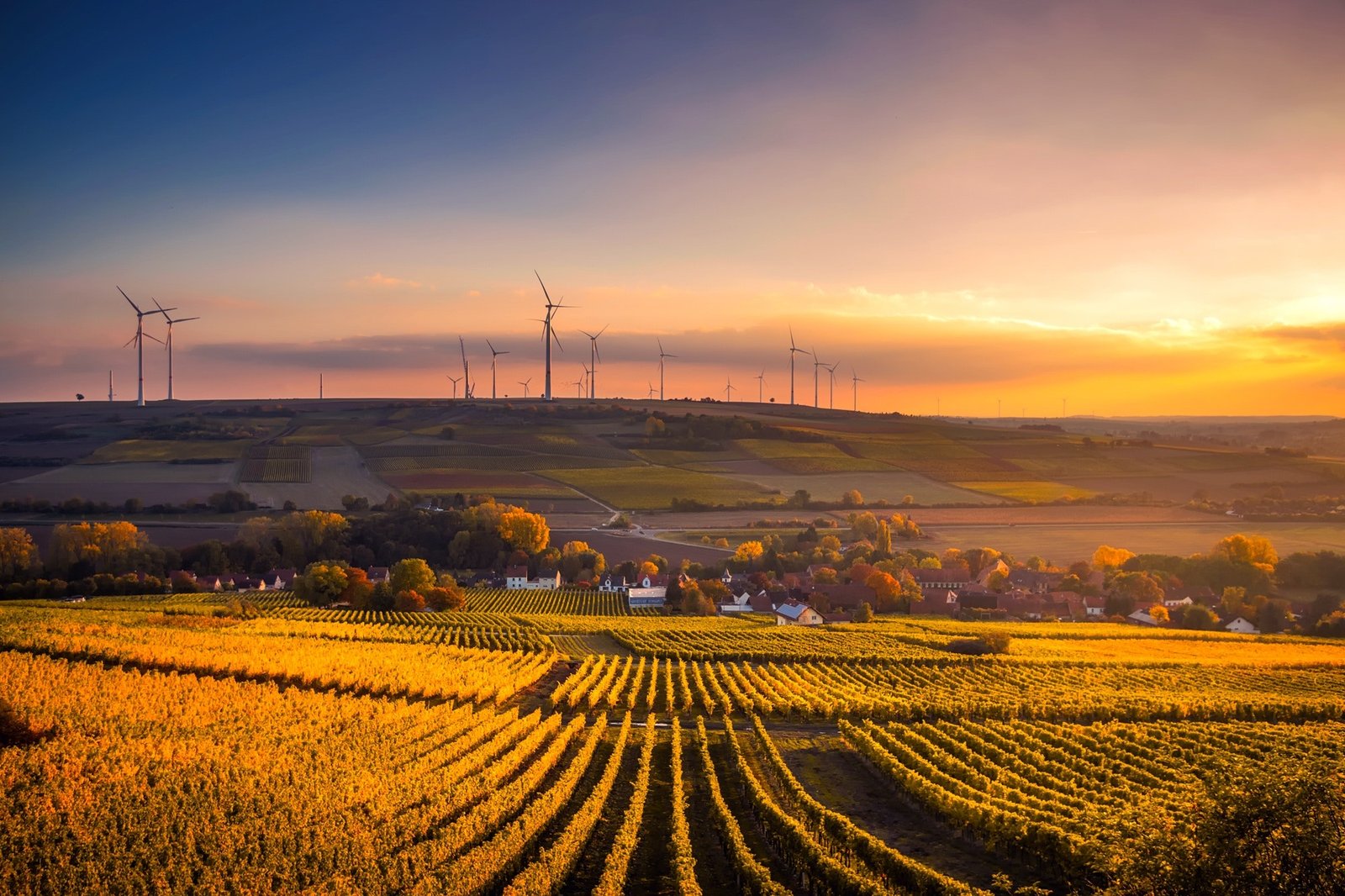
In today's fast-paced world, advancements in technology have brought about innovative solutions to age-old problems, including those faced by the agriculture industry. One such groundbreaking technology that is making waves in the farming sector is Pyrolysis. Pyrolysis is a process that involves the decomposition of organic materials at high temperatures in the absence of oxygen, resulting in the production of biochar, bio-oil, and syngas. These byproducts can be used to improve soil health, sequester carbon, and generate renewable energy, making pyrolysis a versatile and sustainable solution for modern-day farming practices. One of the key benefits of pyrolysis in farming technology is its ability to convert agricultural waste, such as crop residues, manure, and straw, into valuable resources. By transforming these organic materials into biochar, farmers can enhance soil fertility and structure, increase water and nutrient retention, and promote sustainable crop growth. Additionally, biochar can sequester carbon in the soil for hundreds to thousands of years, making it an effective tool for combatting climate change and reducing greenhouse gas emissions. Furthermore, the bio-oil and syngas produced during the pyrolysis process can be utilized as renewable energy sources for on-farm applications, such as heating, electricity generation, and fuel production. This not only reduces the reliance on fossil fuels but also provides farmers with a cost-effective and eco-friendly alternative to traditional energy sources. By integrating pyrolysis technology into their operations, farmers can enhance overall sustainability, improve resilience to changing environmental conditions, and contribute to the transition towards a more circular and regenerative agricultural system. In terms of technical communication, it is essential for farmers to understand the principles and practical applications of pyrolysis technology to effectively implement it on their farms. Extension services, workshops, and online resources can play a crucial role in educating farmers about the benefits of pyrolysis, best practices for its implementation, and potential challenges to be aware of. Clear and concise communication materials, such as guides, manuals, and videos, can help bridge the gap between complex scientific concepts and on-the-ground farm practices, enabling farmers to make informed decisions about incorporating pyrolysis into their farming operations. As we look towards a more sustainable and resilient future for agriculture, pyrolysis stands out as a game-changing technology that has the potential to revolutionize farming practices worldwide. By harnessing the power of pyrolysis to convert waste into valuable resources, farmers can improve soil health, mitigate climate change, and enhance energy independence. Through effective technical communication and knowledge sharing, farmers can unlock the full potential of pyrolysis technology and pave the way for a greener and more prosperous agricultural sector. In conclusion, pyrolysis is not just a technological innovation, but a transformative force that has the power to reshape the future of farming. By embracing this revolutionary technology and fostering communication and collaboration within the agricultural community, we can create a more sustainable and productive food system for generations to come.
Leave a Comment:
SEARCH
Recent News
- Zurich, Switzerland, is renowned for its picturesque landscapes, vibrant culture, and thriving economy. However, thousands of kilometers away in Russia, agriculture plays a crucial role in the country's economy and food production.
- YouTube Content Creation and Translation: Exploring Russian Agriculture
- Russian agriculture has a long and rich history, being one of the leading agricultural producers in the world. From traditional farming practices to modern technology advancements, Russian agriculture has seen significant growth and development over the years. If you are interested in learning more about this fascinating industry, there is a YouTube channel that is dedicated to showcasing the intricacies of Russian agriculture.
- The development of work skills in the Russian agriculture sector is crucial for ensuring a sustainable and efficient industry. With a vast expanse of arable land and a rich history of agricultural traditions, Russia has the potential to become a global powerhouse in food production. However, this potential can only be realized through the continuous improvement and development of the skills of the workforce involved in the sector.
- Empowering Women in Politics to Drive Progress in Russian Agriculture
- **Exploring the Role of Women in Russian Agriculture**
- Russia is a country known for its vast agricultural lands and rich farming traditions. From the fertile soils of the Black Earth region to the unique climate of the Siberian steppes, Russian agriculture plays a crucial role in feeding the nation and contributing to the global food supply.
- Russian Agriculture: A Growing Industry with Technological Advances
READ MORE
10 months ago Category : xfarming

Zurich, Switzerland, is renowned for its picturesque landscapes, vibrant culture, and thriving economy. However, thousands of kilometers away in Russia, agriculture plays a crucial role in the country's economy and food production.
Read More →10 months ago Category : xfarming

YouTube Content Creation and Translation: Exploring Russian Agriculture
Read More →10 months ago Category : xfarming

Russian agriculture has a long and rich history, being one of the leading agricultural producers in the world. From traditional farming practices to modern technology advancements, Russian agriculture has seen significant growth and development over the years. If you are interested in learning more about this fascinating industry, there is a YouTube channel that is dedicated to showcasing the intricacies of Russian agriculture.
Read More →10 months ago Category : xfarming
