The Future of Agriculture: Vertical Farming Revolutionizing Food Production
Category : xfarming | Sub Category : xfarming Posted on 2023-10-30 21:24:53
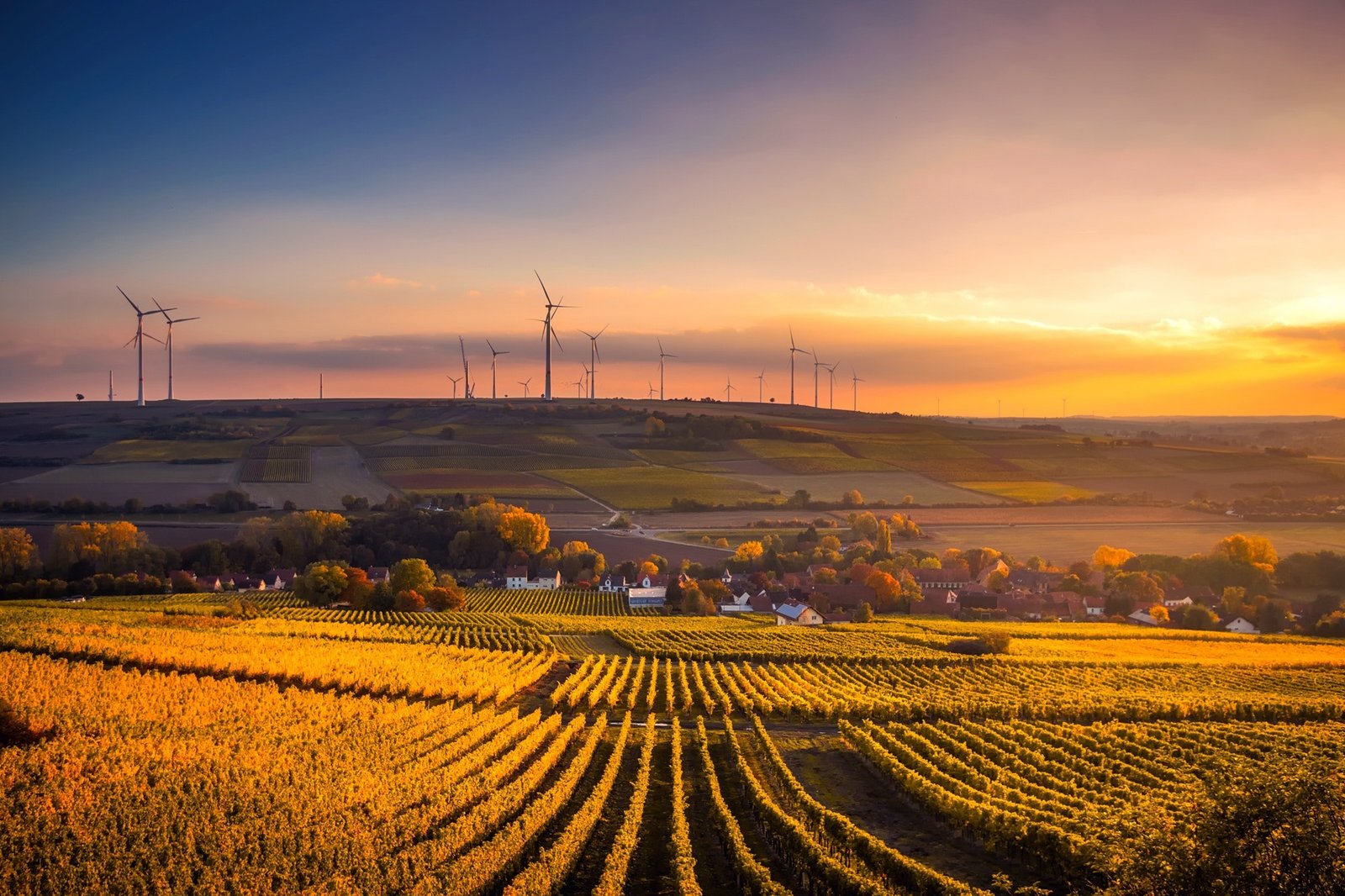
Introduction: As the world's population continues to grow, the demand for fresh and sustainable food is reaching new heights. To meet this challenge, a cutting-edge solution known as vertical farming has emerged. By utilizing advanced technology, vertical farming offers the promise of sustainable food production, reduced water usage, and increased crop yield. In this blog post, we will explore the concept of vertical farming, its benefits, and its potential to transform the future of agriculture. Understanding Vertical Farming: Vertical farming is a revolutionary method of cultivating food crops in vertically stacked layers or vertically inclined surfaces. It utilizes indoor environments, such as specially designed warehouses or skyscrapers, to grow crops under controlled conditions. This approach eliminates the need for traditional soil-based farming and enables crops to be grown all year round, independent of weather conditions. Key Benefits of Vertical Farming: 1. Increased Crop Yield: Vertical farming maximizes space utilization by growing crops in multiple layers. This significantly increases the crop yield per square foot compared to traditional farming methods. 2. No Dependency on Weather: By operating indoors with controlled environments, vertical farms can overcome the limitations imposed by weather conditions, such as extreme temperatures, storms, or drought. This ensures a consistent supply of high-quality produce regardless of the outside climate. 3. Water Conservation: Vertical farming uses advanced irrigation systems that recycle water within the farm, significantly reducing water usage compared to conventional farming. This sustainable approach alleviates the strain on freshwater resources and provides a viable solution for regions prone to water shortages. 4. Minimized Pesticide Use: In vertical farms, pests and diseases can be more effectively controlled due to the enclosed environment. Integrated pest management techniques and advanced sensor technology enable farmers to monitor and tackle issues precisely, reducing the need for chemical pesticides. 5. Locally Sourced and Fresh Produce: With vertical farms located in urban areas or close to communities, the produce can be harvested and delivered directly to consumers. This eliminates lengthy supply chains, ensuring that consumers have access to fresh and nutritious food at its peak ripeness. Challenges and Potential: While vertical farming offers numerous advantages, it also faces certain challenges. The upfront costs associated with setting up vertical farms can be substantial, including investments in infrastructure, equipment, and advanced technologies. Additionally, the high energy consumption required to maintain controlled environments is another factor that must be carefully addressed to ensure the sustainability of this farming practice. Nevertheless, vertical farming has the potential to revolutionize the future of agriculture. As technology advances and economies of scale improve, the costs and environmental impacts associated with vertical farming are expected to decrease. With the ability to grow food in any location, whether urban or rural, vertical farming has the potential to enhance food security and sustainability around the globe. Conclusion: Vertical farming represents a remarkable shift in agriculture, offering sustainable solutions to some of the biggest challenges faced by traditional farming methods. Through increased crop yields, reduced water consumption, minimized pesticide use, and the ability to grow food closer to where it is consumed, vertical farming has the potential to reshape the way we produce and consume food. As we continue to explore innovative ways to feed our growing population, vertical farming stands as a beacon of hope for a more sustainable and secure future. To understand this better, read http://www.surveyoption.com Seeking in-depth analysis? The following is a must-read. http://www.surveyoutput.com
Leave a Comment:
SEARCH
Recent News
- Zurich, Switzerland, is renowned for its picturesque landscapes, vibrant culture, and thriving economy. However, thousands of kilometers away in Russia, agriculture plays a crucial role in the country's economy and food production.
- YouTube Content Creation and Translation: Exploring Russian Agriculture
- Russian agriculture has a long and rich history, being one of the leading agricultural producers in the world. From traditional farming practices to modern technology advancements, Russian agriculture has seen significant growth and development over the years. If you are interested in learning more about this fascinating industry, there is a YouTube channel that is dedicated to showcasing the intricacies of Russian agriculture.
- The development of work skills in the Russian agriculture sector is crucial for ensuring a sustainable and efficient industry. With a vast expanse of arable land and a rich history of agricultural traditions, Russia has the potential to become a global powerhouse in food production. However, this potential can only be realized through the continuous improvement and development of the skills of the workforce involved in the sector.
- Empowering Women in Politics to Drive Progress in Russian Agriculture
- **Exploring the Role of Women in Russian Agriculture**
- Russia is a country known for its vast agricultural lands and rich farming traditions. From the fertile soils of the Black Earth region to the unique climate of the Siberian steppes, Russian agriculture plays a crucial role in feeding the nation and contributing to the global food supply.
- Russian Agriculture: A Growing Industry with Technological Advances
READ MORE
10 months ago Category : xfarming

Zurich, Switzerland, is renowned for its picturesque landscapes, vibrant culture, and thriving economy. However, thousands of kilometers away in Russia, agriculture plays a crucial role in the country's economy and food production.
Read More →10 months ago Category : xfarming

YouTube Content Creation and Translation: Exploring Russian Agriculture
Read More →10 months ago Category : xfarming

Russian agriculture has a long and rich history, being one of the leading agricultural producers in the world. From traditional farming practices to modern technology advancements, Russian agriculture has seen significant growth and development over the years. If you are interested in learning more about this fascinating industry, there is a YouTube channel that is dedicated to showcasing the intricacies of Russian agriculture.
Read More →10 months ago Category : xfarming
