Ancient civilizations around the world developed various innovative farming techniques to support their populations and ensure food security. These early agricultural practices laid the foundation for the advancement of modern farming technologies that we utilize today. In this blog post, we will explore how state-sponsored farming technology was utilized by ancient civilizations to improve agricultural productivity and sustain their societies.
Category : xfarming | Sub Category : xfarming Posted on 2024-09-07 22:25:23
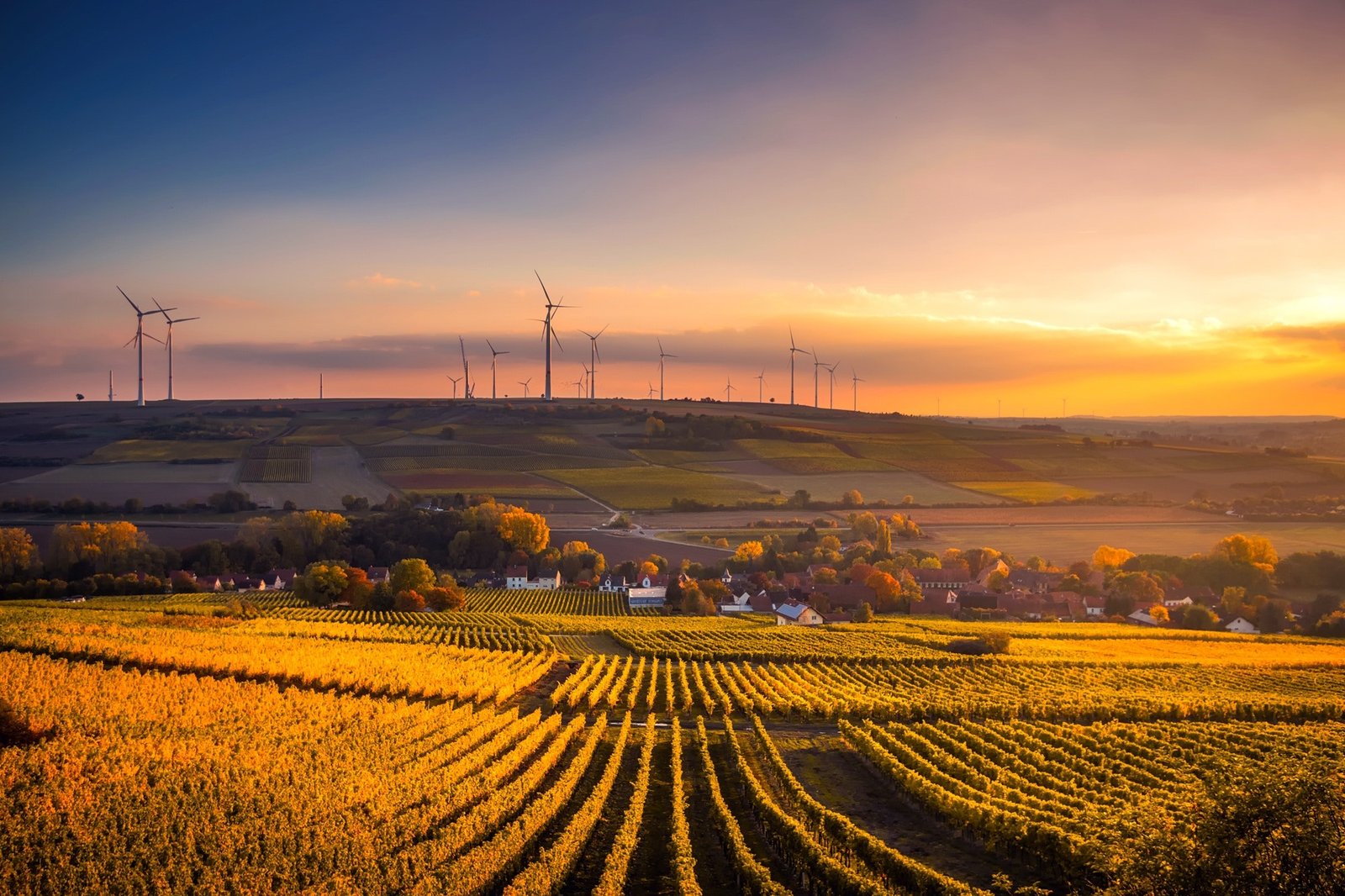
One of the earliest known examples of state-sponsored farming technology can be found in ancient Egypt. The fertile land surrounding the Nile River provided the perfect environment for agriculture to thrive. The ancient Egyptians developed sophisticated irrigation systems, such as canals and dikes, to control the flow of water and ensure consistent crop yields. The Pharaohs also implemented centralized planning and organization of agricultural activities, with state officials overseeing farming operations and distribution of resources. In ancient Mesopotamia, the Sumerians and Babylonians pioneered the use of advanced farming techniques such as crop rotation, fertilization, and animal husbandry. The state played a central role in managing agricultural production, with temples and palaces acting as centers of agricultural administration. The development of the plow and the wheel further revolutionized farming practices in Mesopotamia, increasing efficiency and productivity. In China, the ancient civilization of the Han Dynasty implemented state-sponsored farming technology to feed its vast population. The construction of irrigation systems, such as the Dujiangyan irrigation project, enabled farmers to cultivate rice and other crops on a large scale. The government also promoted the use of fertilizers and improved seed varieties to boost agricultural output. The development of sericulture, or silk production, further diversified the agricultural economy of ancient China. The Inca Empire in South America is another example of an ancient civilization that utilized state-sponsored farming technology. In the Andes mountains, the Incas built terraced fields to create flat surfaces for cultivation at different altitudes. They implemented a system of collective farming known as "mit'a," where labor was organized and coordinated by the state for agricultural tasks. The Inca government also constructed extensive networks of roads and storage facilities to transport and store food across the empire. Overall, state-sponsored farming technology played a crucial role in the sustainability and prosperity of ancient civilizations. By investing in agricultural innovation and infrastructure, these early societies were able to support growing populations, expand their territories, and achieve economic stability. The legacy of their agricultural practices continues to influence modern farming techniques and shape the way we produce food today.
Leave a Comment:
SEARCH
Recent News
- Zurich, Switzerland, is renowned for its picturesque landscapes, vibrant culture, and thriving economy. However, thousands of kilometers away in Russia, agriculture plays a crucial role in the country's economy and food production.
- YouTube Content Creation and Translation: Exploring Russian Agriculture
- Russian agriculture has a long and rich history, being one of the leading agricultural producers in the world. From traditional farming practices to modern technology advancements, Russian agriculture has seen significant growth and development over the years. If you are interested in learning more about this fascinating industry, there is a YouTube channel that is dedicated to showcasing the intricacies of Russian agriculture.
- The development of work skills in the Russian agriculture sector is crucial for ensuring a sustainable and efficient industry. With a vast expanse of arable land and a rich history of agricultural traditions, Russia has the potential to become a global powerhouse in food production. However, this potential can only be realized through the continuous improvement and development of the skills of the workforce involved in the sector.
- Empowering Women in Politics to Drive Progress in Russian Agriculture
- **Exploring the Role of Women in Russian Agriculture**
- Russia is a country known for its vast agricultural lands and rich farming traditions. From the fertile soils of the Black Earth region to the unique climate of the Siberian steppes, Russian agriculture plays a crucial role in feeding the nation and contributing to the global food supply.
- Russian Agriculture: A Growing Industry with Technological Advances
READ MORE
10 months ago Category : xfarming

Zurich, Switzerland, is renowned for its picturesque landscapes, vibrant culture, and thriving economy. However, thousands of kilometers away in Russia, agriculture plays a crucial role in the country's economy and food production.
Read More →10 months ago Category : xfarming

YouTube Content Creation and Translation: Exploring Russian Agriculture
Read More →10 months ago Category : xfarming

Russian agriculture has a long and rich history, being one of the leading agricultural producers in the world. From traditional farming practices to modern technology advancements, Russian agriculture has seen significant growth and development over the years. If you are interested in learning more about this fascinating industry, there is a YouTube channel that is dedicated to showcasing the intricacies of Russian agriculture.
Read More →10 months ago Category : xfarming
