Promoting Sustainable Agriculture in Singapore's Properties
Category : xfarming | Sub Category : xfarming Posted on 2023-10-30 21:24:53
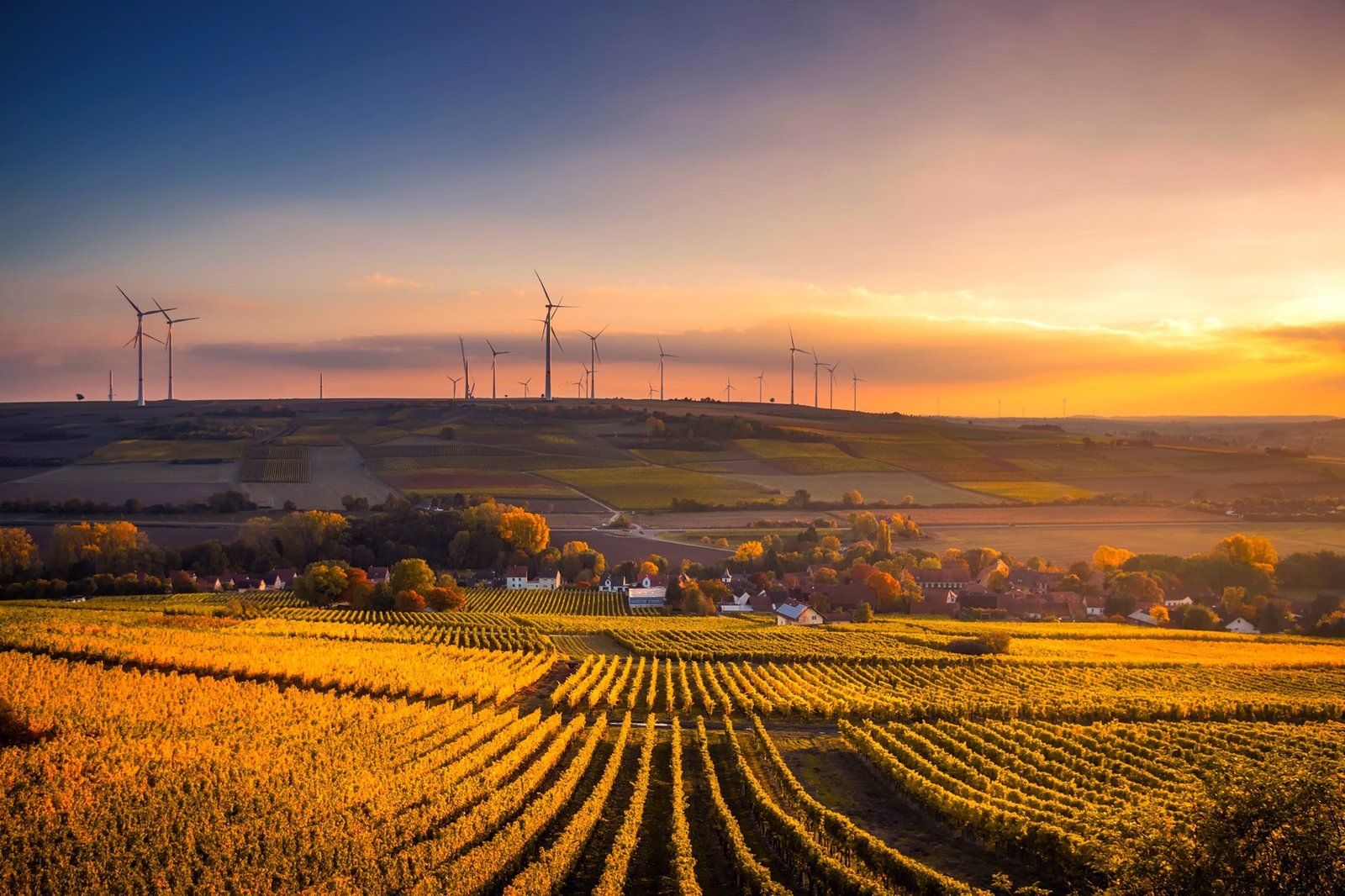
Introduction: As Singapore continues to strive towards becoming a sustainable city, the concept of sustainable agriculture is gaining momentum. With limited land availability, residents are increasingly looking for innovative ways to incorporate agriculture into their properties while minimizing environmental impact. In this blog post, we will explore how Singaporeans are embracing sustainable agriculture practices within the confines of their properties and the benefits it brings to both individuals and the community. 1. Vertical Gardens and Rooftop Farms: Singapore's limited land space pushes residents to think creatively about incorporating agriculture into their homes. Vertical gardens and rooftop farms have emerged as popular choices. These green spaces allow plants to be grown vertically, maximizing land use while bringing a touch of nature into urban settings. Vertical gardens not only improve air quality but also act as natural insulation, reducing energy consumption and mitigating the urban heat island effect. 2. Community Gardens: Community gardens are sprouting up across Singapore, fostering a sense of camaraderie while encouraging sustainable agriculture. These shared spaces bring together like-minded individuals who are passionate about growing their own food. From HDB gardens equipped with raised beds to smaller communal plots, community gardens provide an opportunity for residents to connect with nature and learn about sustainable farming practices. Additionally, these gardens promote food security, as the produce grown can be shared among the participants. 3. Aquaponics and Hydroponics: Aquaponics and hydroponics are innovative methods gaining popularity in Singapore's sustainable agriculture scene. Aquaponics combines aquaculture and hydroponics, creating a symbiotic system where plants and fish coexist. The fish waste provides nutrients for the plants, while the plants filter the water for the fish. This closed-loop system reduces water usage and eliminates the need for chemical fertilizers. Hydroponics, on the other hand, allows plants to grow without soil, using nutrient-rich water instead. Both methods minimize resource consumption while maximizing yield, making them ideal for urban settings. 4. Smart Farming Technologies: Singapore's commitment to technology and innovation extends to the sustainable agriculture sector. Smart farming technologies enable individuals to monitor and control their crops remotely, ensuring optimal conditions for growth. These systems utilize sensors, artificial intelligence, and data analytics to monitor factors such as soil moisture, temperature, and lighting. By providing real-time insights, smart farming technologies help farmers make informed decisions, maximize yield, and reduce wastage, contributing to a more sustainable and efficient agricultural system. 5. Benefits of Sustainable Agriculture in Singapore's Properties: Incorporating sustainable agriculture practices into properties in Singapore brings numerous benefits. Firstly, it promotes food security by reducing reliance on imported produce, especially in times of crisis such as the COVID-19 pandemic. Secondly, growing food locally reduces the carbon footprint associated with transportation and storage. Thirdly, sustainable agriculture creates opportunities for education and community building, fostering a sense of pride and ownership among residents. Lastly, urban farming initiatives help improve mental well-being as they provide an outlet for stress relief and connection with nature. Conclusion: Singapore's properties are evolving beyond just providing sheltersthey are transforming into hubs of sustainable agriculture. From vertical gardens and rooftop farms to community gardens and advanced farming technologies, residents are embracing innovative methods to grow their own food and contribute to a more sustainable future. As Singapore continues to prioritize sustainability, the integration of agriculture into properties will play a crucial role in creating a resilient and self-sufficient city. Seeking answers? You might find them in http://www.propertiesofsingapore.com
Leave a Comment:
SEARCH
Recent News
- Zurich, Switzerland, is renowned for its picturesque landscapes, vibrant culture, and thriving economy. However, thousands of kilometers away in Russia, agriculture plays a crucial role in the country's economy and food production.
- YouTube Content Creation and Translation: Exploring Russian Agriculture
- Russian agriculture has a long and rich history, being one of the leading agricultural producers in the world. From traditional farming practices to modern technology advancements, Russian agriculture has seen significant growth and development over the years. If you are interested in learning more about this fascinating industry, there is a YouTube channel that is dedicated to showcasing the intricacies of Russian agriculture.
- The development of work skills in the Russian agriculture sector is crucial for ensuring a sustainable and efficient industry. With a vast expanse of arable land and a rich history of agricultural traditions, Russia has the potential to become a global powerhouse in food production. However, this potential can only be realized through the continuous improvement and development of the skills of the workforce involved in the sector.
- Empowering Women in Politics to Drive Progress in Russian Agriculture
- **Exploring the Role of Women in Russian Agriculture**
- Russia is a country known for its vast agricultural lands and rich farming traditions. From the fertile soils of the Black Earth region to the unique climate of the Siberian steppes, Russian agriculture plays a crucial role in feeding the nation and contributing to the global food supply.
- Russian Agriculture: A Growing Industry with Technological Advances
READ MORE
9 months ago Category : xfarming

Zurich, Switzerland, is renowned for its picturesque landscapes, vibrant culture, and thriving economy. However, thousands of kilometers away in Russia, agriculture plays a crucial role in the country's economy and food production.
Read More →9 months ago Category : xfarming

YouTube Content Creation and Translation: Exploring Russian Agriculture
Read More →9 months ago Category : xfarming

Russian agriculture has a long and rich history, being one of the leading agricultural producers in the world. From traditional farming practices to modern technology advancements, Russian agriculture has seen significant growth and development over the years. If you are interested in learning more about this fascinating industry, there is a YouTube channel that is dedicated to showcasing the intricacies of Russian agriculture.
Read More →9 months ago Category : xfarming
