Avoiding Scams in Smart Farming: Protecting Your Agricultural Investment
Category : xfarming | Sub Category : xfarming Posted on 2023-10-30 21:24:53
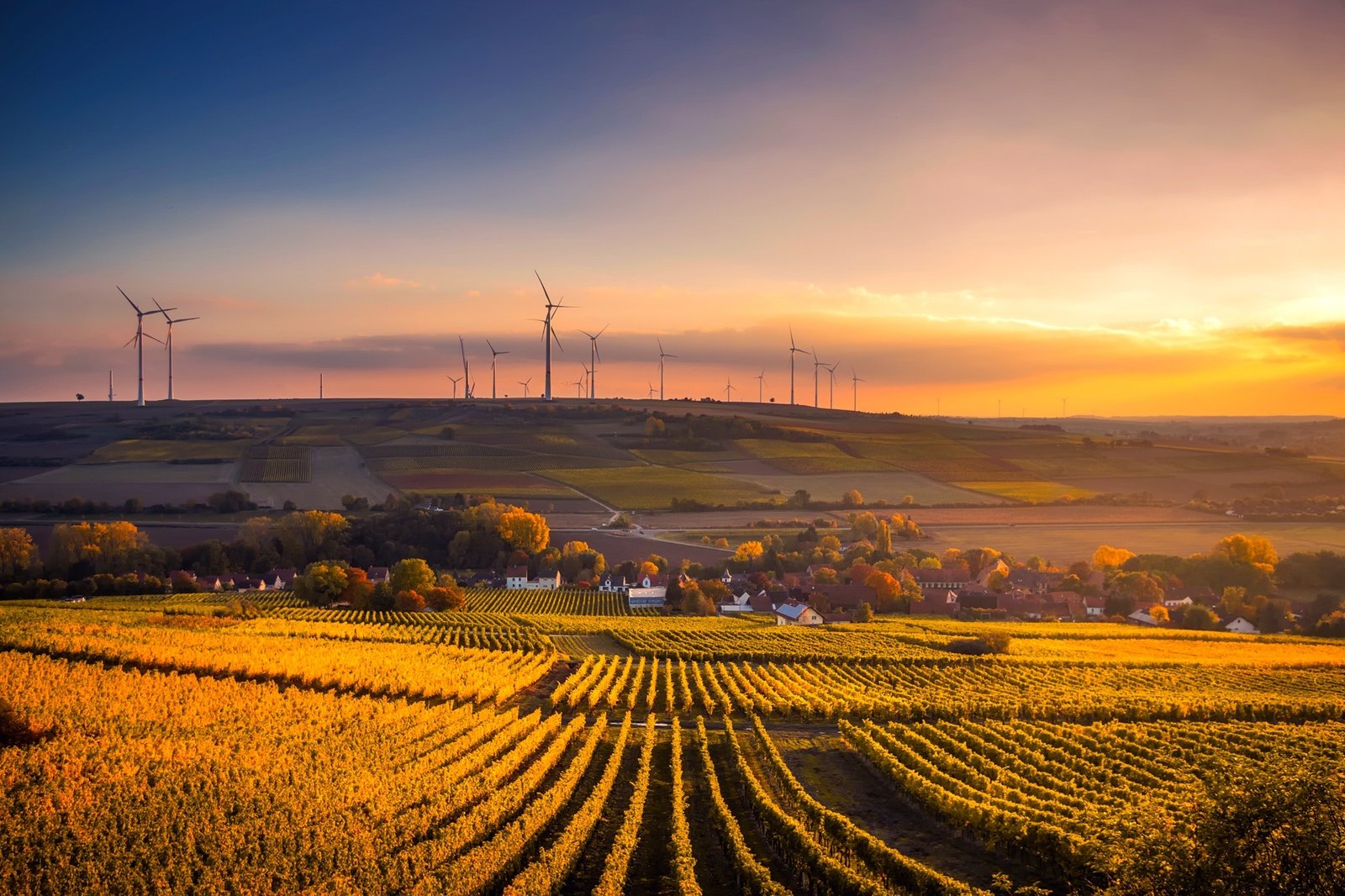
Introduction: As the world becomes more technologically advanced, the agriculture industry is also adapting to the digital era. Smart farming, a concept that incorporates advanced technologies such as artificial intelligence, Internet of Things (IoT), and data analytics, has the potential to revolutionize traditional farming practices. However, as this industry evolves, it is crucial for farmers and stakeholders to be aware of the increasing threat of scams in smart farming. In this blog post, we will discuss some common scams in the smart farming sector and provide tips on how to protect yourself and your agricultural investment. 1. False Promises and Phony Products: One of the most common scams in the smart farming industry involves companies making false promises or selling bogus products. Fraudulent companies may claim that their technology will significantly increase crop yield or reduce expenses without any concrete evidence. They may also sell counterfeit or ineffective smart farming devices to unsuspecting farmers. To avoid falling victim to these scams, always research companies before investing, ask for references or testimonials, and be skeptical of deals that seem too good to be true. 2. Investment Fraud: As smart farming gains popularity, scammers may attempt to exploit the growing interest by offering investment opportunities in smart farming ventures. These scams typically involve promises of high returns on investment or partnerships in high-tech agricultural projects. It is crucial to thoroughly research any investment opportunity, check the qualifications and background of the individuals involved, and seek professional advice if needed. Be wary of high-pressure sales tactics and be skeptical of guarantees of profits. 3. Fake Service Providers: Another common scam in the smart farming industry involves fake service providers. These scammers may pose as consultants, technicians, or experts and offer services such as installation, training, or maintenance of smart farming systems. Once they receive payment or gain access to your farm, they disappear or provide subpar services. To avoid falling victim to this scam, verify the credentials and reputation of service providers, seek recommendations from trusted sources, and consider working with established and reputable companies. 4. Data Breaches and Cybersecurity Threats: With the increasing use of technology and data in smart farming, protecting sensitive information and ensuring cybersecurity is paramount. Scammers may attempt to gain unauthorized access to agricultural systems, steal data, or manipulate information for personal gain. It is crucial to implement robust cybersecurity measures, such as using strong passwords, regularly updating software, encrypting data, and training employees to detect and report any suspicious activities. Consider working with reputable technology companies that prioritize data security. Conclusion: While smart farming offers immense potential for boosting productivity and efficiency in agriculture, it is essential to be cautious and vigilant to avoid falling victim to scams. By staying informed, conducting thorough research, verifying credentials, and seeking professional advice, farmers and stakeholders can protect themselves and their investments from fraudulent activities. Embracing the benefits of smart farming while remaining aware of potential risks will ensure a secure and prosperous future for the agriculture industry. Remember, knowledge and awareness are the best defense against scams in all sectors, including smart farming. Stay informed, be proactive, and help build a trustworthy and reliable smart farming community. For a broader exploration, take a look at http://www.semifake.com
Leave a Comment:
SEARCH
Recent News
- Zurich, Switzerland, is renowned for its picturesque landscapes, vibrant culture, and thriving economy. However, thousands of kilometers away in Russia, agriculture plays a crucial role in the country's economy and food production.
- YouTube Content Creation and Translation: Exploring Russian Agriculture
- Russian agriculture has a long and rich history, being one of the leading agricultural producers in the world. From traditional farming practices to modern technology advancements, Russian agriculture has seen significant growth and development over the years. If you are interested in learning more about this fascinating industry, there is a YouTube channel that is dedicated to showcasing the intricacies of Russian agriculture.
- The development of work skills in the Russian agriculture sector is crucial for ensuring a sustainable and efficient industry. With a vast expanse of arable land and a rich history of agricultural traditions, Russia has the potential to become a global powerhouse in food production. However, this potential can only be realized through the continuous improvement and development of the skills of the workforce involved in the sector.
- Empowering Women in Politics to Drive Progress in Russian Agriculture
- **Exploring the Role of Women in Russian Agriculture**
- Russia is a country known for its vast agricultural lands and rich farming traditions. From the fertile soils of the Black Earth region to the unique climate of the Siberian steppes, Russian agriculture plays a crucial role in feeding the nation and contributing to the global food supply.
- Russian Agriculture: A Growing Industry with Technological Advances
READ MORE
11 months ago Category : xfarming

Zurich, Switzerland, is renowned for its picturesque landscapes, vibrant culture, and thriving economy. However, thousands of kilometers away in Russia, agriculture plays a crucial role in the country's economy and food production.
Read More →11 months ago Category : xfarming

YouTube Content Creation and Translation: Exploring Russian Agriculture
Read More →11 months ago Category : xfarming

Russian agriculture has a long and rich history, being one of the leading agricultural producers in the world. From traditional farming practices to modern technology advancements, Russian agriculture has seen significant growth and development over the years. If you are interested in learning more about this fascinating industry, there is a YouTube channel that is dedicated to showcasing the intricacies of Russian agriculture.
Read More →11 months ago Category : xfarming
