Enhancing Agriculture in Saudi Arabia: Exploring the Innovative Irrigation Systems
Category : xfarming | Sub Category : xfarming Posted on 2023-10-30 21:24:53
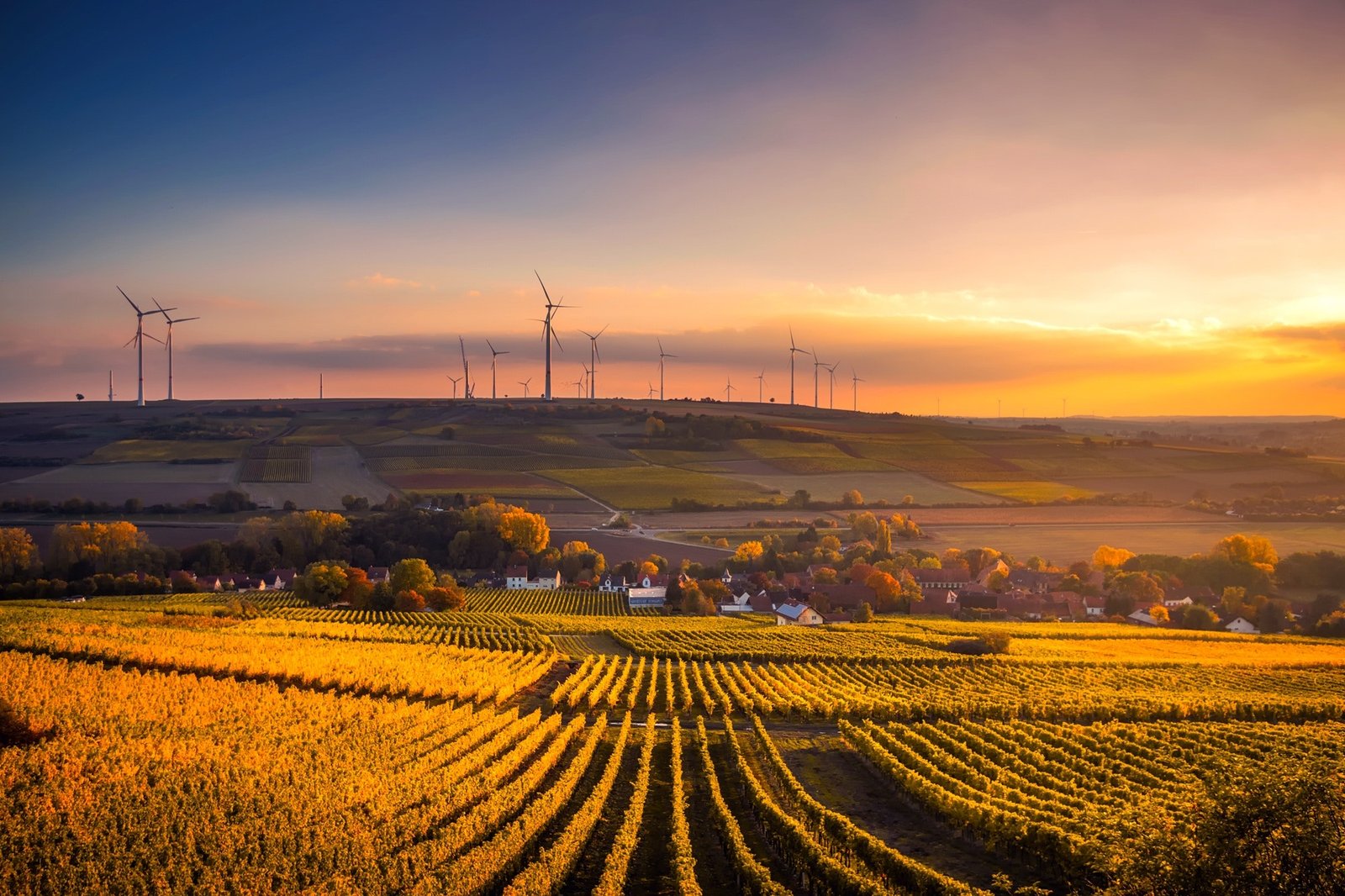
Introduction: Agriculture plays a vital role in Saudi Arabia's economy, and as one of the driest countries in the world, the efficient use of water is crucial. To address the scarcity of water resources, Saudi Arabia has invested significantly in developing advanced irrigation systems. In this blog post, we will delve into the innovative irrigation systems that have revolutionized farming practices in the country. 1. Center-Pivot Irrigation Systems: One of the most common irrigation systems implemented in Saudi Arabia is the center-pivot irrigation system. This technology involves a series of rotating sprinklers mounted on a central pivot. As the pivot rotates, the sprinklers distribute water in circular patterns, covering a large area of farmland effectively. The center-pivot irrigation system allows farmers to control the application rate, ensuring water is distributed evenly. It also conserves water by reducing runoff and evaporation. This efficient system has significantly contributed to increasing agricultural productivity while minimizing water waste. 2. Drip Irrigation Systems: Another innovative irrigation system that has gained popularity in Saudi Arabia is drip irrigation. This method involves the direct application of water to the root zone of plants through a network of tubes and emitters. Drip irrigation minimizes water loss through evaporation and provides a controlled water supply to the plants. Drip irrigation systems have proven particularly beneficial in arid regions like Saudi Arabia, where water resources are scarce. By delivering water directly to the roots, drip irrigation ensures maximum water efficiency, promoting healthier plant growth while reducing water consumption significantly. 3. Hydroponics and Vertical Farming: Saudi Arabia is also exploring innovative alternatives to traditional soil-based agriculture, such as hydroponics and vertical farming. Hydroponics involves growing plants in nutrient-rich water solutions without soil, while vertical farming utilizes stacked layers for cultivating crops in controlled environments. These methods have gained traction in Saudi Arabia due to their ability to optimize water usage. Hydroponics and vertical farming systems allow for precise control over water supply, preventing wastage and enabling year-round production. Moreover, these technologies provide opportunities for urban farming and can be implemented in limited spaces, making them ideal for urban areas in the country. Conclusion: Saudi Arabia's commitment to improving agricultural efficiency and sustainability is evident in the adoption of innovative irrigation systems. The center-pivot irrigation system, drip irrigation, and the exploration of hydroponics and vertical farming all contribute to maximizing water conservation and crop yields. These advanced irrigation systems offer promising solutions for overcoming the challenges posed by water scarcity in Saudi Arabia. By implementing these technologies, the country can continue to enhance its agricultural sector, reduce dependency on imports, and promote self-sufficiency in food production. As Saudi Arabia continues to harness the power of innovation and invest in sustainable farming practices, it sets an example for other arid countries facing similar challenges. The integration of efficient irrigation systems paves the way for a more resilient and prosperous future in agriculture. For a broader perspective, don't miss http://www.onlinebanat.com
Leave a Comment:
SEARCH
Recent News
- Zurich, Switzerland, is renowned for its picturesque landscapes, vibrant culture, and thriving economy. However, thousands of kilometers away in Russia, agriculture plays a crucial role in the country's economy and food production.
- YouTube Content Creation and Translation: Exploring Russian Agriculture
- Russian agriculture has a long and rich history, being one of the leading agricultural producers in the world. From traditional farming practices to modern technology advancements, Russian agriculture has seen significant growth and development over the years. If you are interested in learning more about this fascinating industry, there is a YouTube channel that is dedicated to showcasing the intricacies of Russian agriculture.
- The development of work skills in the Russian agriculture sector is crucial for ensuring a sustainable and efficient industry. With a vast expanse of arable land and a rich history of agricultural traditions, Russia has the potential to become a global powerhouse in food production. However, this potential can only be realized through the continuous improvement and development of the skills of the workforce involved in the sector.
- Empowering Women in Politics to Drive Progress in Russian Agriculture
- **Exploring the Role of Women in Russian Agriculture**
- Russia is a country known for its vast agricultural lands and rich farming traditions. From the fertile soils of the Black Earth region to the unique climate of the Siberian steppes, Russian agriculture plays a crucial role in feeding the nation and contributing to the global food supply.
- Russian Agriculture: A Growing Industry with Technological Advances
READ MORE
10 months ago Category : xfarming

Zurich, Switzerland, is renowned for its picturesque landscapes, vibrant culture, and thriving economy. However, thousands of kilometers away in Russia, agriculture plays a crucial role in the country's economy and food production.
Read More →10 months ago Category : xfarming

YouTube Content Creation and Translation: Exploring Russian Agriculture
Read More →10 months ago Category : xfarming

Russian agriculture has a long and rich history, being one of the leading agricultural producers in the world. From traditional farming practices to modern technology advancements, Russian agriculture has seen significant growth and development over the years. If you are interested in learning more about this fascinating industry, there is a YouTube channel that is dedicated to showcasing the intricacies of Russian agriculture.
Read More →10 months ago Category : xfarming
