Enhancing Sustainability and Livelihoods: The Power of Agroforestry in Rwanda
Category : xfarming | Sub Category : xfarming Posted on 2023-10-30 21:24:53
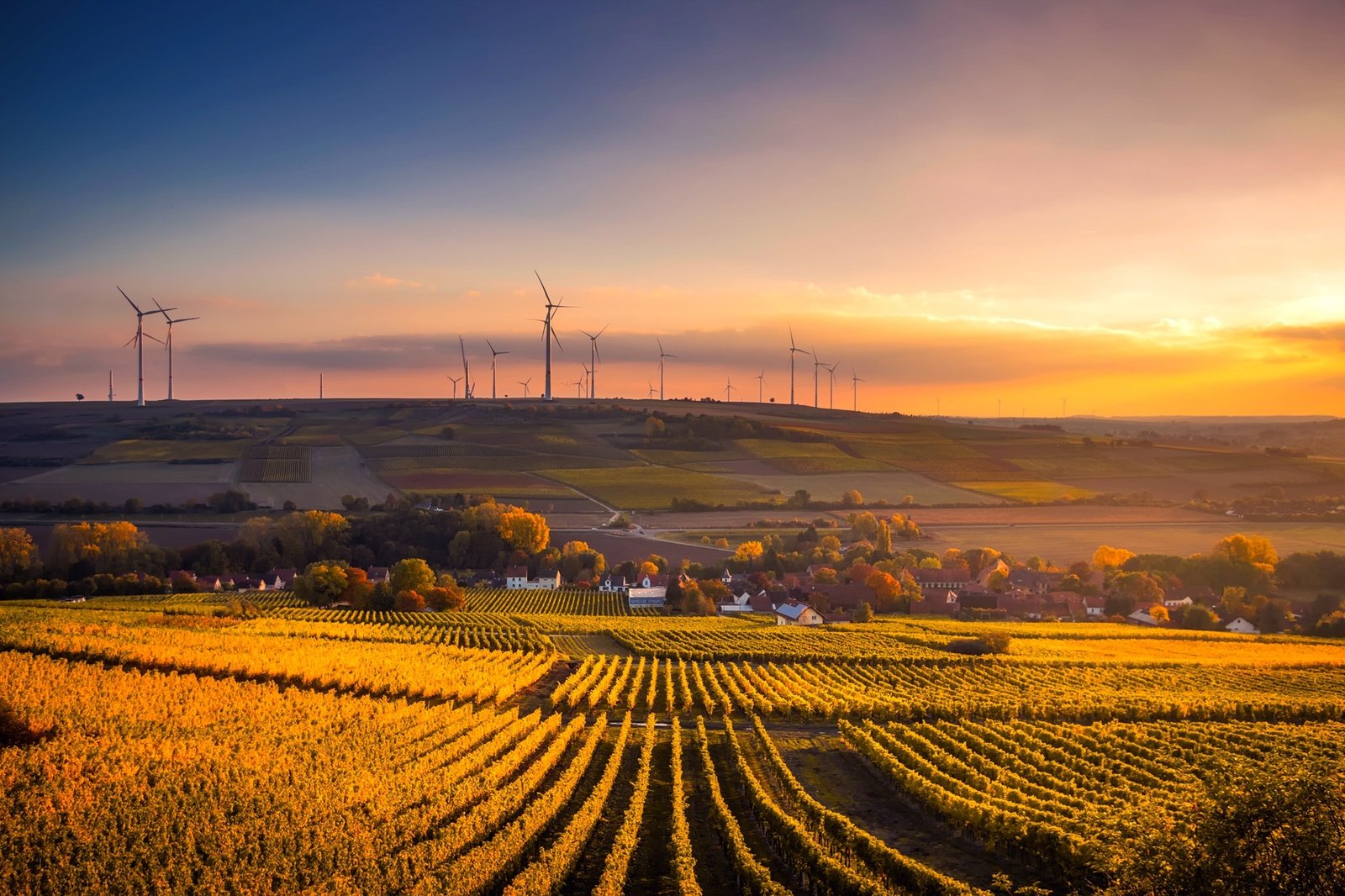
Introduction: Rwanda, known as the "Land of a Thousand Hills," boasts a rich agricultural heritage that has been shaped by its farmers' resilience and innovative practices. One such practice that has gained significant attention in recent years is agroforestry. In a country where agriculture is the backbone of the economy, agroforestry has emerged as a promising approach that not only enhances sustainability but also improves livelihoods. This blog post dives into the concept of agroforestry in Rwanda, its benefits, and its potential to combat climate change while nurturing economic growth. Agroforestry: A Sustainable Solution Agroforestry is a land management system that integrates trees, crops, and livestock, offering diverse benefits to both the environment and farmers. In Rwanda, agroforestry is a key strategy in the government's vision to transform the agricultural sector and build a green economy. By combining trees with crops or animals, agroforestry systems promote ecological balance, soil health, and natural resource conservation. Environmental Benefits: 1. Soil Conservation: The roots of trees in agroforestry systems help bind the soil, reducing erosion caused by heavy rainfall and hilly terrains. This preserves soil fertility and prevents nutrient loss. 2. Biodiversity Conservation: Agroforestry systems create habitats that support a wide range of plant and animal species, thereby promoting biodiversity conservation and supporting ecosystem services. 3. Climate Change Mitigation: Trees in agroforestry systems act as carbon sinks, absorbing atmospheric carbon dioxide and mitigating climate change. As Rwanda strives to meet its climate commitments, agroforestry plays a crucial role in reducing greenhouse gas emissions. Economic Benefits: 1. Diverse Income Streams: Agroforestry diversifies farmers' income streams by offering multiple products like fruits, nuts, timber, fodder, and medicinal plants. This reduces their vulnerability to market fluctuations and improves their resilience in the face of climate change. 2. Enhanced Productivity: Trees in agroforestry systems provide shade, which helps to reduce moisture stress on crops during dry spells. Additionally, the leaf litter from trees acts as a natural fertilizer, improving soil fertility and enhancing crop productivity. 3. Value-Addition: Agroforestry opens up opportunities for value addition through processing and marketing of tree products, such as timber and non-timber forest products. This can lead to increased revenue and rural job creation. Promoting Agroforestry in Rwanda: The Rwandan government, through its various agencies and programs, has been actively promoting and incentivizing agroforestry practices to maximize their benefits. Some notable initiatives include: 1. Land Husbandry, Water Harvesting, and Hillside Irrigation (LWH): This program focuses on terracing, agroforestry, and rainwater harvesting to improve soil fertility, reduce erosion, and increase agricultural productivity. 2. One Cow per Poor Family (Girinka): This flagship program provides impoverished families with cows, with a primary aim to promote sustainable agricultural practices, including agroforestry. 3. Green Growth and Climate Resilience Strategy: This national strategy aims to promote sustainable land management practices, including agroforestry, as a core component of Rwanda's green growth agenda. Conclusion: Agroforestry has emerged as a powerful tool in Rwanda's pursuit of sustainable development, rural poverty reduction, and climate change mitigation. By integrating trees into agricultural landscapes, farmers not only enhance the health of their soil and ecosystems but also foster economic growth through diversified income streams. As Rwanda continues its journey towards a greener future, agroforestry stands as a beacon of hope, showcasing the potential of sustainable land management practices in building a prosperous and resilient nation.
Leave a Comment:
SEARCH
Recent News
- Zurich, Switzerland, is renowned for its picturesque landscapes, vibrant culture, and thriving economy. However, thousands of kilometers away in Russia, agriculture plays a crucial role in the country's economy and food production.
- YouTube Content Creation and Translation: Exploring Russian Agriculture
- Russian agriculture has a long and rich history, being one of the leading agricultural producers in the world. From traditional farming practices to modern technology advancements, Russian agriculture has seen significant growth and development over the years. If you are interested in learning more about this fascinating industry, there is a YouTube channel that is dedicated to showcasing the intricacies of Russian agriculture.
- The development of work skills in the Russian agriculture sector is crucial for ensuring a sustainable and efficient industry. With a vast expanse of arable land and a rich history of agricultural traditions, Russia has the potential to become a global powerhouse in food production. However, this potential can only be realized through the continuous improvement and development of the skills of the workforce involved in the sector.
- Empowering Women in Politics to Drive Progress in Russian Agriculture
- **Exploring the Role of Women in Russian Agriculture**
- Russia is a country known for its vast agricultural lands and rich farming traditions. From the fertile soils of the Black Earth region to the unique climate of the Siberian steppes, Russian agriculture plays a crucial role in feeding the nation and contributing to the global food supply.
- Russian Agriculture: A Growing Industry with Technological Advances
READ MORE
11 months ago Category : xfarming

Zurich, Switzerland, is renowned for its picturesque landscapes, vibrant culture, and thriving economy. However, thousands of kilometers away in Russia, agriculture plays a crucial role in the country's economy and food production.
Read More →11 months ago Category : xfarming

YouTube Content Creation and Translation: Exploring Russian Agriculture
Read More →11 months ago Category : xfarming

Russian agriculture has a long and rich history, being one of the leading agricultural producers in the world. From traditional farming practices to modern technology advancements, Russian agriculture has seen significant growth and development over the years. If you are interested in learning more about this fascinating industry, there is a YouTube channel that is dedicated to showcasing the intricacies of Russian agriculture.
Read More →11 months ago Category : xfarming
