Understanding the Role of Ontology in Soil Health for Sustainable Farming
Category : xfarming | Sub Category : xfarming Posted on 2023-10-30 21:24:53
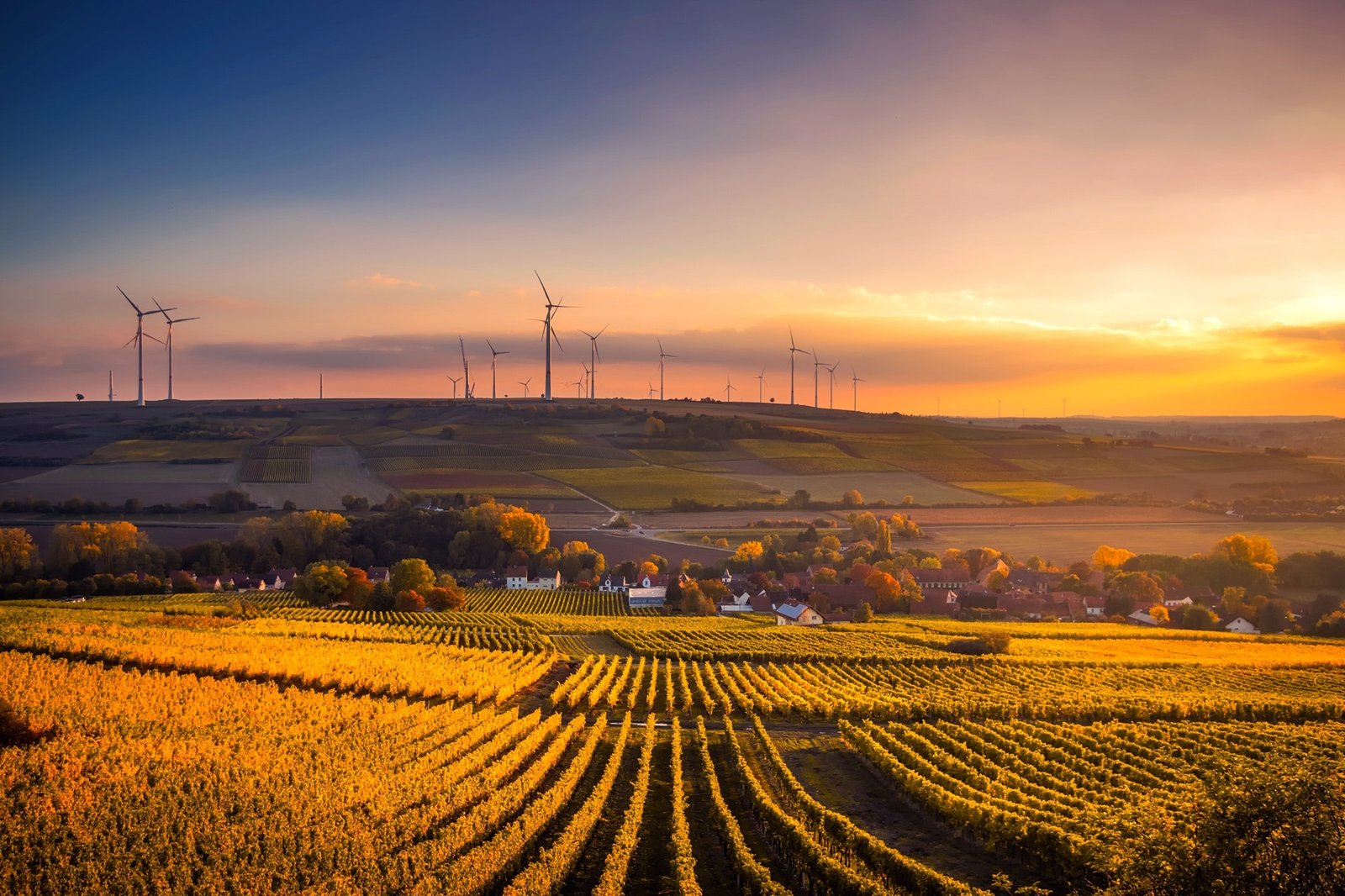
Introduction: In the world of sustainable agriculture, soil health is of utmost importance. Healthy soils provide a strong foundation for crop growth, improve nutrient availability, support biodiversity, and contribute to mitigating climate change. To delve deeper into optimizing soil health management in farming practices, an emerging tool called ontology has proven to be incredibly valuable. In this blog post, we will explore the role of ontology in understanding soil health and its applications in sustainable farming practices. Understanding Ontology: Ontology, in the context of agriculture, refers to the formal representation of knowledge and relationships between different concepts. It acts as a structured framework that allows for the organization and integration of diverse information related to soil health, including variables such as soil type, crop type, fertilizer use, and environmental factors. By establishing relationships and hierarchies between these concepts, ontology provides a comprehensive understanding of soil health and facilitates knowledge sharing among various stakeholders in the farming community. Benefits of Ontology in Soil Health Management: 1. Knowledge Integration: Ontology enables the integration of data from various sources, including scientific research, field observations, and farmer experience. By incorporating this wide array of information, ontology helps build a holistic understanding of soil health, enabling farmers to make informed decisions. 2. Expert Systems and Decision Support: Ontology-based systems can be developed to provide decision support for farmers. These systems analyze the input data, match it with existing knowledge in the ontology, and provide real-time recommendations for soil health management practices. This empowers farmers to adopt customized, site-specific strategies to improve soil health and optimize their crop yields. 3. Enhancing Precision Farming: Ontology can be utilized in precision farming practices, assisting in crop and soil monitoring, irrigation management, and fertilizer application. By guiding farmers on the optimal use of resources based on specific soil health characteristics, precision farming techniques maximize productivity while minimizing environmental impact. 4. Predictive Modeling: Ontology-based soil health models can simulate future scenarios and predict the impact of different management practices on soil health. This assists farmers in evaluating the long-term effects of their decisions and allows them to strategize accordingly for sustainable and profitable farming practices. 5. Knowledge Sharing and Collaboration: Ontology provides a common platform for scientists, agronomists, and farmers to collaborate and exchange knowledge on soil health management. It facilitates the sharing of best practices, lessons learned, and innovative technologies, creating a community-driven approach to enhance soil health within farming communities. Conclusion: Ontology plays a vital role in understanding and managing soil health in sustainable farming. By harnessing the power of knowledge integration, decision support systems, precision farming, predictive modeling, and knowledge sharing, ontology has transformed how farmers approach soil health management. As the field of agriculture continues to evolve and adapt to new challenges, ontology will undoubtedly remain a valuable tool for optimizing soil health and ensuring the sustainability of our farming systems. To get a better understanding, go through http://www.doctorregister.com To get a different viewpoint, consider: http://www.tinyfed.com Seeking expert advice? Find it in http://www.natclar.com If you are enthusiast, check the following link http://www.coreontology.com
Leave a Comment:
SEARCH
Recent News
- Zurich, Switzerland, is renowned for its picturesque landscapes, vibrant culture, and thriving economy. However, thousands of kilometers away in Russia, agriculture plays a crucial role in the country's economy and food production.
- YouTube Content Creation and Translation: Exploring Russian Agriculture
- Russian agriculture has a long and rich history, being one of the leading agricultural producers in the world. From traditional farming practices to modern technology advancements, Russian agriculture has seen significant growth and development over the years. If you are interested in learning more about this fascinating industry, there is a YouTube channel that is dedicated to showcasing the intricacies of Russian agriculture.
- The development of work skills in the Russian agriculture sector is crucial for ensuring a sustainable and efficient industry. With a vast expanse of arable land and a rich history of agricultural traditions, Russia has the potential to become a global powerhouse in food production. However, this potential can only be realized through the continuous improvement and development of the skills of the workforce involved in the sector.
- Empowering Women in Politics to Drive Progress in Russian Agriculture
- **Exploring the Role of Women in Russian Agriculture**
- Russia is a country known for its vast agricultural lands and rich farming traditions. From the fertile soils of the Black Earth region to the unique climate of the Siberian steppes, Russian agriculture plays a crucial role in feeding the nation and contributing to the global food supply.
- Russian Agriculture: A Growing Industry with Technological Advances
READ MORE
8 months ago Category : xfarming

Zurich, Switzerland, is renowned for its picturesque landscapes, vibrant culture, and thriving economy. However, thousands of kilometers away in Russia, agriculture plays a crucial role in the country's economy and food production.
Read More →8 months ago Category : xfarming

YouTube Content Creation and Translation: Exploring Russian Agriculture
Read More →8 months ago Category : xfarming

Russian agriculture has a long and rich history, being one of the leading agricultural producers in the world. From traditional farming practices to modern technology advancements, Russian agriculture has seen significant growth and development over the years. If you are interested in learning more about this fascinating industry, there is a YouTube channel that is dedicated to showcasing the intricacies of Russian agriculture.
Read More →8 months ago Category : xfarming
