The Green Revolution: Maximizing Nutrition through Greenhouse Farming
Category : xfarming | Sub Category : xfarming Posted on 2023-10-30 21:24:53
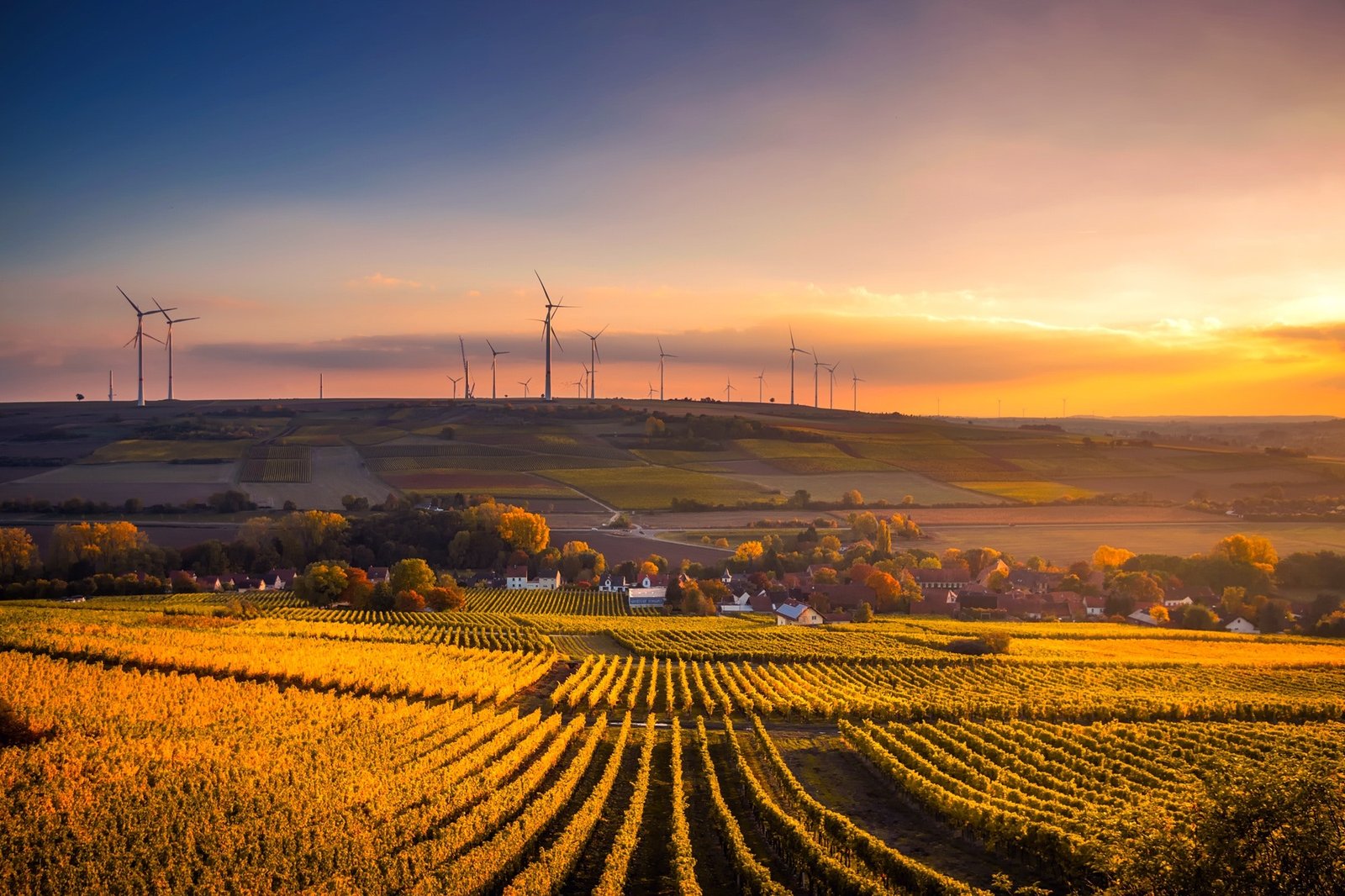
Introduction In today's world, where food security and nutrition remain pivotal concerns, innovative solutions are needed to ensure a sustainable and nutritious future. The concept of greenhouse farming is gaining popularity as an efficient and eco-friendly way to augment food production. In this blog post, we will explore the fascinating realm of nutrition in greenhouse farming and uncover its numerous benefits for both crops and consumers. Maximizing Nutrient Content Greenhouse farming provides a controlled environment that allows farmers to optimize the nutrient content of crops. By carefully monitoring temperature, humidity, and lighting conditions, farmers can ensure that plants receive the essential nutrients they need to thrive. Nutrient-rich soil and precise irrigation systems further enhance crop health, resulting in produce with higher nutritional density compared to traditionally farmed alternatives. Extended Growing Seasons One of the greatest advantages of greenhouse farming is the ability to extend growing seasons. This means that farmers can cultivate crops year-round, regardless of external weather conditions. By eliminating the limitations imposed by seasonal changes, greenhouse farming provides a consistent supply of fresh, nutrient-dense produce throughout the year. As a result, consumers have access to a wider range of fruits, vegetables, and herbs, ensuring a balanced and diverse diet. Reduced Pesticide Use Conventional farming often relies on pesticides to control pests and diseases that can affect crop yield. However, excessive pesticide use can lead to residue on produce, compromising nutrition and potentially impacting human health. Greenhouse farming minimizes the need for pesticides by creating a physical barrier between crops and external pests, thus reducing the risk of contamination. Additionally, integrated pest management techniques, such as biological controls and beneficial insects, can be easily implemented in greenhouse environments to maintain plant health naturally. Enhanced Micronutrient Availability Greenhouse farming offers an opportunity to tackle hidden hunger by increasing the availability of essential micronutrients. Through hydroponic or aeroponic systems, nutrients can be precisely delivered to plant roots, optimizing absorption and enhancing the nutritional value of crops. This targeted approach ensures that essential micronutrients, such as iron, zinc, and folate, are readily available in greenhouse-grown produce, promoting better overall health and combating micronutrient deficiencies. Year-Round Local Food Production By adopting greenhouse farming practices, communities can become self-sufficient in terms of food production. This localized approach reduces the carbon footprint associated with transporting produce over long distances. Additionally, greenhouse farming facilitates the cultivation of regionally specific crops, preserving local food heritage and supporting the local economy. Access to fresh, locally grown food encourages healthier dietary choices and strengthens community bonds. Conclusion Nutrition in greenhouse farming goes beyond mere agricultural practices it represents a transformative approach that addresses the challenges of sustainable food production and nutrition security. By maximizing nutrient content, extending growing seasons, reducing pesticide use, enhancing micronutrient availability, and enabling year-round local food production, greenhouse farming presents a promising solution for a healthier and more sustainable future. Embracing this innovative method paves the way towards a nourished world where nutritious food is accessible to all. Explore this subject further for a deeper understanding. http://www.tinyfed.com For a fresh perspective, give the following a read http://www.childnut.com
Leave a Comment:
SEARCH
Recent News
- Zurich, Switzerland, is renowned for its picturesque landscapes, vibrant culture, and thriving economy. However, thousands of kilometers away in Russia, agriculture plays a crucial role in the country's economy and food production.
- YouTube Content Creation and Translation: Exploring Russian Agriculture
- Russian agriculture has a long and rich history, being one of the leading agricultural producers in the world. From traditional farming practices to modern technology advancements, Russian agriculture has seen significant growth and development over the years. If you are interested in learning more about this fascinating industry, there is a YouTube channel that is dedicated to showcasing the intricacies of Russian agriculture.
- The development of work skills in the Russian agriculture sector is crucial for ensuring a sustainable and efficient industry. With a vast expanse of arable land and a rich history of agricultural traditions, Russia has the potential to become a global powerhouse in food production. However, this potential can only be realized through the continuous improvement and development of the skills of the workforce involved in the sector.
- Empowering Women in Politics to Drive Progress in Russian Agriculture
- **Exploring the Role of Women in Russian Agriculture**
- Russia is a country known for its vast agricultural lands and rich farming traditions. From the fertile soils of the Black Earth region to the unique climate of the Siberian steppes, Russian agriculture plays a crucial role in feeding the nation and contributing to the global food supply.
- Russian Agriculture: A Growing Industry with Technological Advances
READ MORE
10 months ago Category : xfarming

Zurich, Switzerland, is renowned for its picturesque landscapes, vibrant culture, and thriving economy. However, thousands of kilometers away in Russia, agriculture plays a crucial role in the country's economy and food production.
Read More →10 months ago Category : xfarming

YouTube Content Creation and Translation: Exploring Russian Agriculture
Read More →10 months ago Category : xfarming

Russian agriculture has a long and rich history, being one of the leading agricultural producers in the world. From traditional farming practices to modern technology advancements, Russian agriculture has seen significant growth and development over the years. If you are interested in learning more about this fascinating industry, there is a YouTube channel that is dedicated to showcasing the intricacies of Russian agriculture.
Read More →10 months ago Category : xfarming
