Revolutionizing Meat Production: The Role of Agricultural Technology
Category : xfarming | Sub Category : xfarming Posted on 2023-10-30 21:24:53
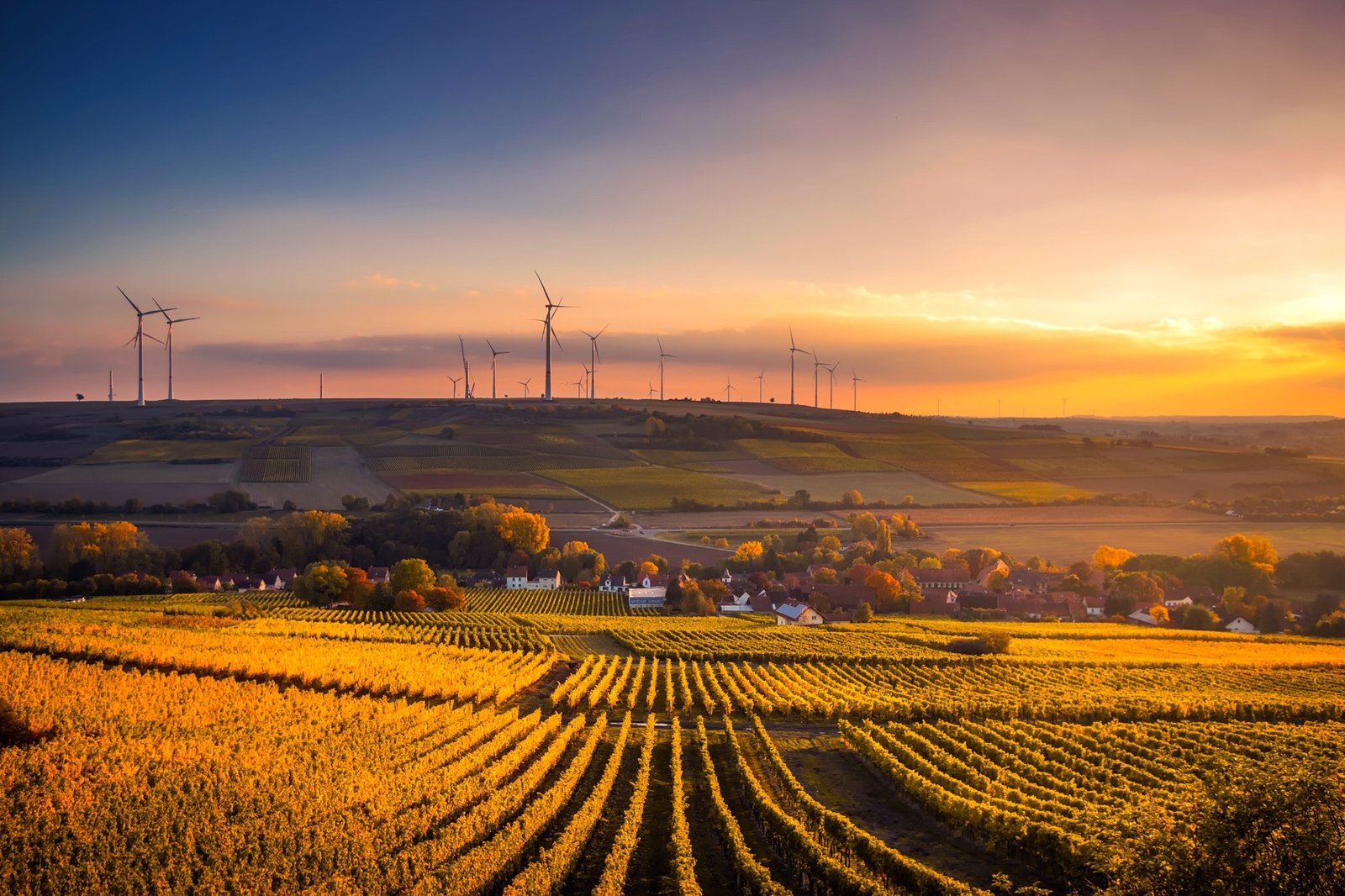
Introduction: In recent years, the meat industry has experienced a significant transformation due to the advent of agricultural technology. These innovative technological advancements have revolutionized the way meat is produced, addressing various challenges such as sustainability, animal welfare, and consumer demands. In this blog post, we will explore the key technologies shaping the future of meat production and their impact on the industry. 1. Precision Livestock Farming: Precision Livestock Farming (PLF) is a cutting-edge technology that utilizes sensors, automation, and data analysis to monitor and manage livestock production. PLF assists farmers in optimizing animal health, welfare, and productivity while minimizing resource usage. For instance, wearable sensors can track vital signs, helping detect early signs of illness or stress. This technology allows farmers to provide personalized care for each animal, resulting in improved overall herd health. 2. Vertical Farming: Vertical farming has captured much attention in recent years as a sustainable solution for agricultural production. In the context of meat production, this technology enables the growth of animal feed in vertical farms situated near meat production facilities. By reducing land and water requirements, vertical farming helps to alleviate the environmental impact of meat production while ensuring a steady supply of nutritious animal feed. 3. Cultured Meat: Cultured meat, also known as lab-grown meat or cell-based meat, is created by cultivating animal cells in a controlled environment, eliminating the need for traditional animal farming. Besides its potential to reduce greenhouse gas emissions and improve animal welfare, cultured meat has the advantage of a smaller footprint, requiring less land and water resources. As this technology evolves, its production costs are expected to decrease, making it more accessible to consumers. 4. Automated Processing: Automation has made significant strides in meat processing plants, streamlining production, and ensuring quality control. Robots and automated machines are replacing manual labor tasks, increasing efficiency, and reducing the risk of human error. Automated processing systems also enhance food safety through rigorous inspections and monitoring, minimizing the chances of contamination and improving overall hygiene standards. 5. Blockchain Technology: Blockchain technology is increasingly being explored in the meat industry to enhance traceability and transparency throughout the supply chain. By enabling consumers to trace the origin of their meat products from farm to fork, blockchain ensures greater food safety and accountability. This technology helps build consumer trust by providing detailed information about animal welfare practices, feed sources, and production methods. Conclusion: Agricultural technology has undeniably transformed the meat industry, addressing several challenges while paving the way for a more sustainable and ethical future. From precision livestock farming to vertical farming, cultured meat, automated processing, and blockchain technology, each innovation has played a crucial role in revolutionizing meat production. As these technologies continue to evolve and become more accessible, they hold the potential to meet the increasing global demand for meat while minimizing its environmental impact and ensuring animal welfare. For an in-depth analysis, I recommend reading http://www.meatmob.com
Leave a Comment:
SEARCH
Recent News
- Zurich, Switzerland, is renowned for its picturesque landscapes, vibrant culture, and thriving economy. However, thousands of kilometers away in Russia, agriculture plays a crucial role in the country's economy and food production.
- YouTube Content Creation and Translation: Exploring Russian Agriculture
- Russian agriculture has a long and rich history, being one of the leading agricultural producers in the world. From traditional farming practices to modern technology advancements, Russian agriculture has seen significant growth and development over the years. If you are interested in learning more about this fascinating industry, there is a YouTube channel that is dedicated to showcasing the intricacies of Russian agriculture.
- The development of work skills in the Russian agriculture sector is crucial for ensuring a sustainable and efficient industry. With a vast expanse of arable land and a rich history of agricultural traditions, Russia has the potential to become a global powerhouse in food production. However, this potential can only be realized through the continuous improvement and development of the skills of the workforce involved in the sector.
- Empowering Women in Politics to Drive Progress in Russian Agriculture
- **Exploring the Role of Women in Russian Agriculture**
- Russia is a country known for its vast agricultural lands and rich farming traditions. From the fertile soils of the Black Earth region to the unique climate of the Siberian steppes, Russian agriculture plays a crucial role in feeding the nation and contributing to the global food supply.
- Russian Agriculture: A Growing Industry with Technological Advances
READ MORE
3 months ago Category : xfarming

Zurich, Switzerland, is renowned for its picturesque landscapes, vibrant culture, and thriving economy. However, thousands of kilometers away in Russia, agriculture plays a crucial role in the country's economy and food production.
Read More →3 months ago Category : xfarming

YouTube Content Creation and Translation: Exploring Russian Agriculture
Read More →3 months ago Category : xfarming

Russian agriculture has a long and rich history, being one of the leading agricultural producers in the world. From traditional farming practices to modern technology advancements, Russian agriculture has seen significant growth and development over the years. If you are interested in learning more about this fascinating industry, there is a YouTube channel that is dedicated to showcasing the intricacies of Russian agriculture.
Read More →3 months ago Category : xfarming
