Revolutionizing Agricultural Efficiency: Internet of Things Technology in Irrigation Systems
Category : xfarming | Sub Category : xfarming Posted on 2023-10-30 21:24:53
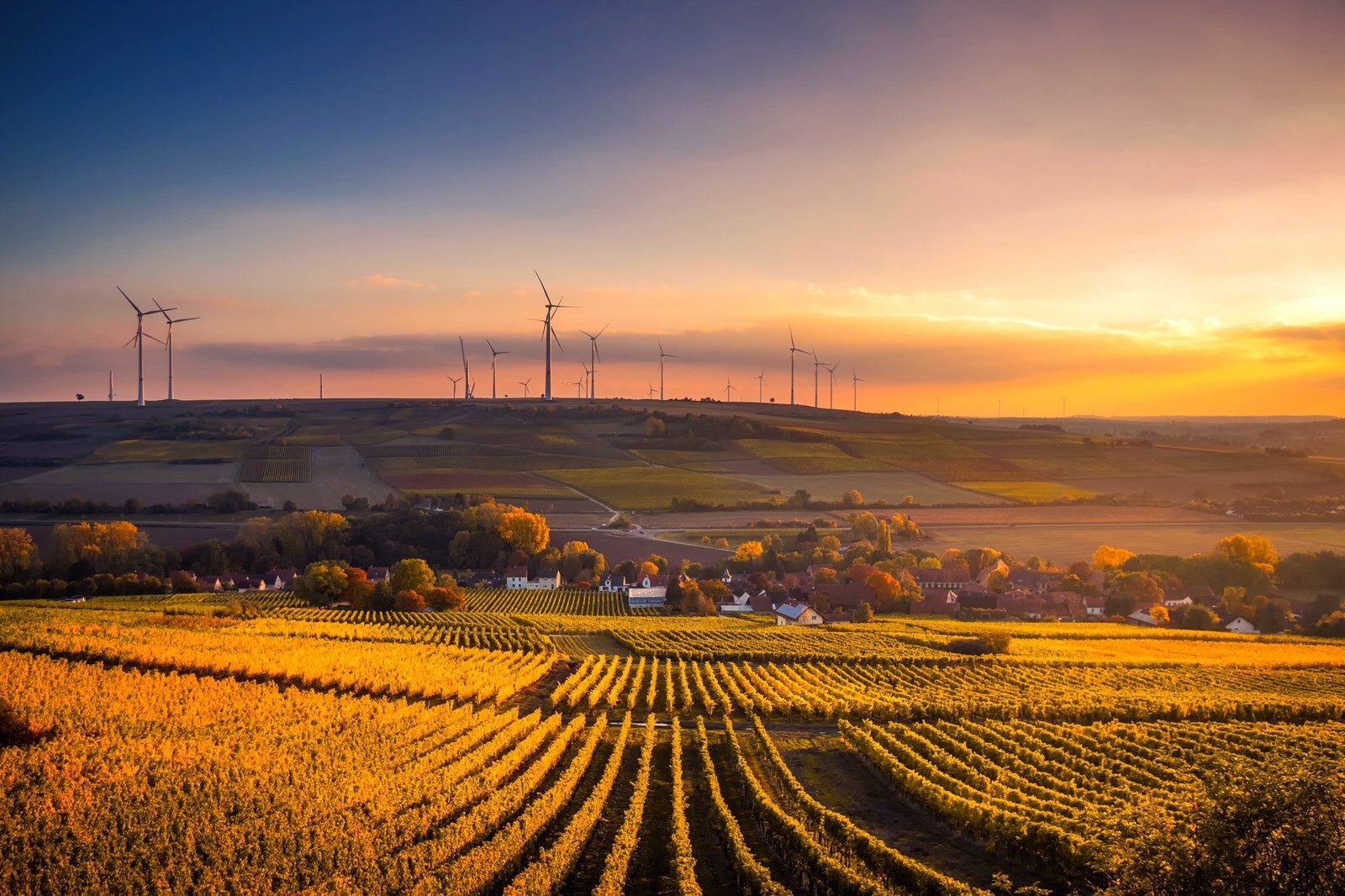
Introduction: In the modern age, technology holds the potential to transform almost every aspect of our lives, including the way we cultivate our crops. One such remarkable innovation that has gained significant momentum over the years is the Internet of Things (IoT) technology. By connecting devices and systems through the internet, IoT has revolutionized various industries, and agriculture is no exception. In this blog post, we will explore how IoT technology is reshaping irrigation systems, making them more efficient, sustainable, and effective than ever before. 1. Enhanced Water Management: Traditionally, farmers heavily relied on manual observation and experience to determine the water needs of their crops. However, IoT-based irrigation systems have dramatically improved water management by providing real-time data on soil moisture levels, weather conditions, and water requirements of plants. These systems utilize sensors placed in the soil to monitor moisture levels, ensuring that crops receive optimal amounts of water. As a result, farmers can avoid over-irrigation, which can lead to leaching of nutrients and water waste, while still ensuring adequate hydration for their crops. 2. Smart Irrigation Scheduling: With the help of IoT technology, irrigation systems can now schedule watering based on specific plant requirements, weather forecasts, and soil conditions. These intelligent systems can analyze data collected from various sources, such as rainfall patterns, evaporation rates, and plant types, to create customized watering schedules. By eliminating guesswork and optimizing irrigation timings, IoT-enabled irrigation systems minimize water waste and maximize crop yield. 3. Remote Monitoring and Control: One of the primary advantages of IoT technology in irrigation systems is the ability to remotely monitor and control the entire system. Through a centralized dashboard accessible via smartphone or computer, farmers can remotely check the status of their irrigation systems, receive alerts in case of malfunctions or deviations from set parameters, and even control watering schedules. This feature allows farmers to save both time and resources by efficiently managing the irrigation process from anywhere, at any time. 4. Precise Fertilizer Application: Apart from providing water, IoT-based irrigation systems can integrate fertilizer application based on plant nutrient requirements. By analyzing soil data and plant needs, these systems can precisely deliver fertilizers through the irrigation water, ensuring that crops receive the right amount and type of nutrients. This targeted approach minimizes fertilizer waste and optimizes nutrient uptake by the plants, resulting in better yields and reduced environmental impact. 5. Predictive Analytics for Crop Health: IoT technology enables the collection and analysis of vast amounts of real-time data from irrigation systems, weather patterns, and crop conditions. By leveraging machine learning algorithms and predictive analytics, farmers can gain valuable insights into crop health and potential issues. For example, anomalies in soil moisture levels or unusual variations in temperature can indicate diseases or pest infestation. By detecting these early warning signs, farmers can take proactive measures to mitigate risks, preventing potential crop loss and minimizing the need for excessive pesticide use. Conclusion: The impact of IoT technology on irrigation systems is undeniable. With the ability to optimize water usage, ensure precise fertilization, enable remote monitoring and control, and provide valuable insights into crop health, IoT-based irrigation systems are transforming agriculture into a more sustainable, efficient, and productive industry. By harnessing the power of technology, farmers can not only enhance their overall yields but also contribute towards the responsible use of natural resources and the preservation of our environment.
Leave a Comment:
SEARCH
Recent News
- Zurich, Switzerland, is renowned for its picturesque landscapes, vibrant culture, and thriving economy. However, thousands of kilometers away in Russia, agriculture plays a crucial role in the country's economy and food production.
- YouTube Content Creation and Translation: Exploring Russian Agriculture
- Russian agriculture has a long and rich history, being one of the leading agricultural producers in the world. From traditional farming practices to modern technology advancements, Russian agriculture has seen significant growth and development over the years. If you are interested in learning more about this fascinating industry, there is a YouTube channel that is dedicated to showcasing the intricacies of Russian agriculture.
- The development of work skills in the Russian agriculture sector is crucial for ensuring a sustainable and efficient industry. With a vast expanse of arable land and a rich history of agricultural traditions, Russia has the potential to become a global powerhouse in food production. However, this potential can only be realized through the continuous improvement and development of the skills of the workforce involved in the sector.
- Empowering Women in Politics to Drive Progress in Russian Agriculture
- **Exploring the Role of Women in Russian Agriculture**
- Russia is a country known for its vast agricultural lands and rich farming traditions. From the fertile soils of the Black Earth region to the unique climate of the Siberian steppes, Russian agriculture plays a crucial role in feeding the nation and contributing to the global food supply.
- Russian Agriculture: A Growing Industry with Technological Advances
READ MORE
10 months ago Category : xfarming

Zurich, Switzerland, is renowned for its picturesque landscapes, vibrant culture, and thriving economy. However, thousands of kilometers away in Russia, agriculture plays a crucial role in the country's economy and food production.
Read More →10 months ago Category : xfarming

YouTube Content Creation and Translation: Exploring Russian Agriculture
Read More →10 months ago Category : xfarming

Russian agriculture has a long and rich history, being one of the leading agricultural producers in the world. From traditional farming practices to modern technology advancements, Russian agriculture has seen significant growth and development over the years. If you are interested in learning more about this fascinating industry, there is a YouTube channel that is dedicated to showcasing the intricacies of Russian agriculture.
Read More →10 months ago Category : xfarming
