The Importance of Insurance in the Farm-to-Table Movement
Category : xfarming | Sub Category : xfarming Posted on 2023-10-30 21:24:53
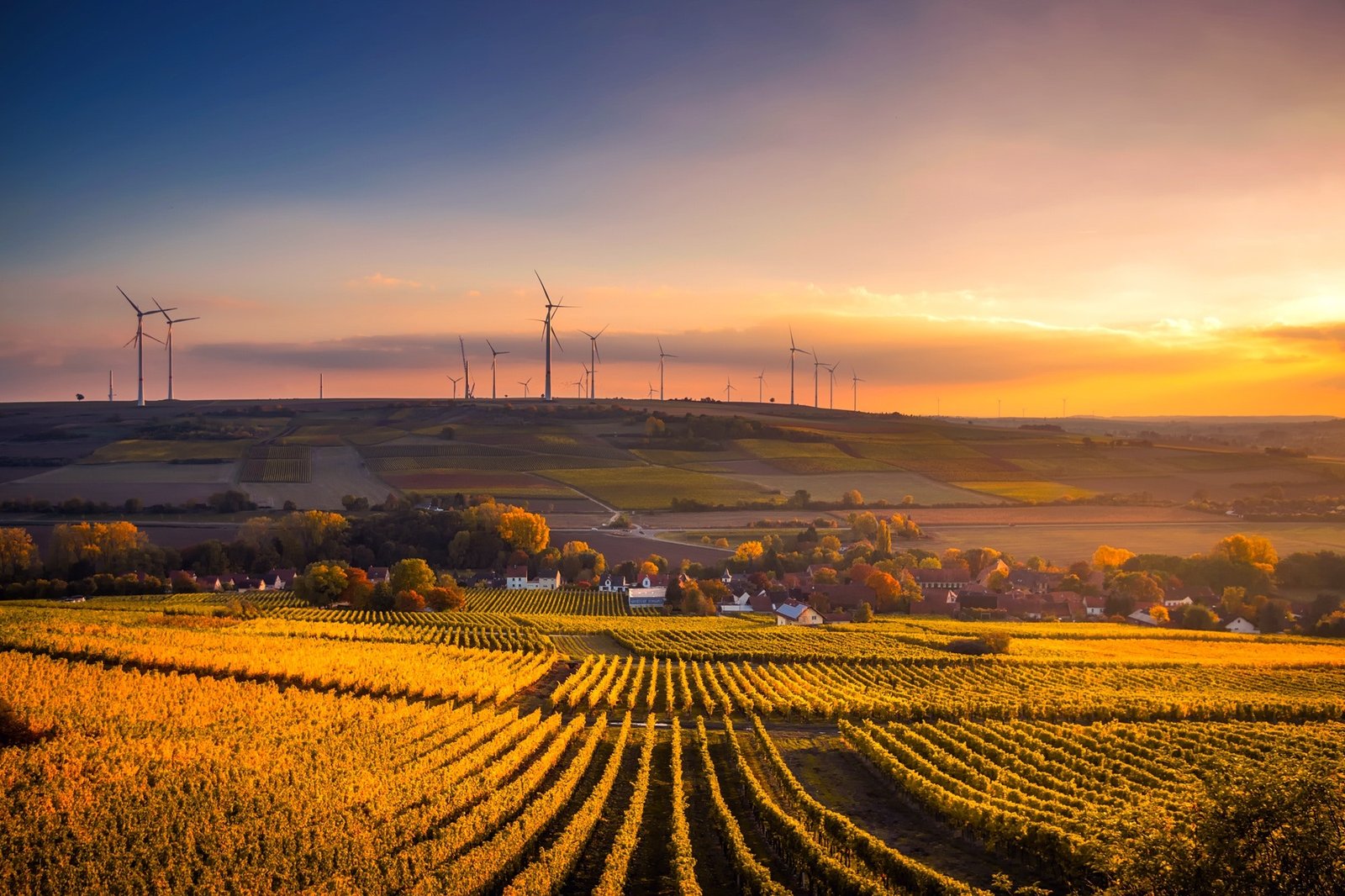
Introduction: The farm-to-table movement has gained significant momentum in recent years, as consumers become more conscious about the origin and quality of their food. With an increasing number of people opting for locally sourced produce, it's crucial for farmers and vendors to ensure they have suitable insurance coverage. In this blog post, we will discuss the various insurance considerations for those involved in the farm-to-table movement and highlight why it is essential for both farmers and consumers alike. 1. Protecting the Farm: Operating a farm comes with numerous risks, such as weather-related perils, crop failure, and equipment breakdowns. Farmers invest substantial time, effort, and money into their operations, making it vital to have insurance coverage that protects against these contingencies. Farm property insurance can provide coverage for damage to buildings, machinery, livestock, crops, and other assets, ensuring that farmers can continue their operations despite unforeseen circumstances. 2. Liability Coverage for Farm-Fresh Products: When it comes to farm-to-table vendors, liability insurance is particularly important. Consumers who visit farmers markets and purchase directly from farmers expect products to be safe and of high quality. However, in the event that someone falls ill or suffers an adverse reaction after consuming a farm-fresh product, the farmer or vendor could face legal claims. Liability insurance provides coverage for such scenarios, protecting farmers and vendors from potentially devastating financial losses. 3. Food Safety and Product Liability Coverage: In the farm-to-table movement, maintaining strict food safety standards is crucial. Mishandling, contamination, or tampering could result in widespread foodborne illnesses and reputational damage for the farm or vendor involved. Having product liability coverage helps protect against legal claims arising from such incidents, ensuring that customers can trust the safety and quality of the farm-fresh products they enjoy. 4. Business Interruption Coverage: For farmers and farm-to-table vendors, unexpected events like natural disasters or equipment breakdowns can disrupt their operations. Business interruption insurance can provide coverage for lost income during the period of interruption, allowing farmers and vendors to stay afloat until they can resume their usual activities. This coverage can help cover fixed costs, payroll, and other essential expenses, ensuring financial stability in times of crisis. 5. Community Supported Agriculture (CSA) Insurance: Many farmers engage in Community Supported Agriculture (CSA), which involves selling shares or subscriptions to consumers who receive regular deliveries of fresh produce. CSA insurance specifically addresses the unique risks associated with this model. It provides coverage for crop failure, distribution issues, and potential liability claims arising from these types of arrangements. Conclusion: The farm-to-table movement has brought about significant changes in the way we source and consume food. As farmers and vendors embrace this sustainable and locally focused approach, having appropriate insurance coverage becomes paramount. From protecting against farm-related risks to ensuring product safety and preserving financial stability, insurance plays a crucial role in supporting the viability and success of the farm-to-table movement. By addressing these insurance considerations, farmers and vendors can continue to provide fresh, wholesome produce to their communities with confidence.
Leave a Comment:
SEARCH
Recent News
- Zurich, Switzerland, is renowned for its picturesque landscapes, vibrant culture, and thriving economy. However, thousands of kilometers away in Russia, agriculture plays a crucial role in the country's economy and food production.
- YouTube Content Creation and Translation: Exploring Russian Agriculture
- Russian agriculture has a long and rich history, being one of the leading agricultural producers in the world. From traditional farming practices to modern technology advancements, Russian agriculture has seen significant growth and development over the years. If you are interested in learning more about this fascinating industry, there is a YouTube channel that is dedicated to showcasing the intricacies of Russian agriculture.
- The development of work skills in the Russian agriculture sector is crucial for ensuring a sustainable and efficient industry. With a vast expanse of arable land and a rich history of agricultural traditions, Russia has the potential to become a global powerhouse in food production. However, this potential can only be realized through the continuous improvement and development of the skills of the workforce involved in the sector.
- Empowering Women in Politics to Drive Progress in Russian Agriculture
- **Exploring the Role of Women in Russian Agriculture**
- Russia is a country known for its vast agricultural lands and rich farming traditions. From the fertile soils of the Black Earth region to the unique climate of the Siberian steppes, Russian agriculture plays a crucial role in feeding the nation and contributing to the global food supply.
- Russian Agriculture: A Growing Industry with Technological Advances
READ MORE
8 months ago Category : xfarming

Zurich, Switzerland, is renowned for its picturesque landscapes, vibrant culture, and thriving economy. However, thousands of kilometers away in Russia, agriculture plays a crucial role in the country's economy and food production.
Read More →8 months ago Category : xfarming

YouTube Content Creation and Translation: Exploring Russian Agriculture
Read More →8 months ago Category : xfarming

Russian agriculture has a long and rich history, being one of the leading agricultural producers in the world. From traditional farming practices to modern technology advancements, Russian agriculture has seen significant growth and development over the years. If you are interested in learning more about this fascinating industry, there is a YouTube channel that is dedicated to showcasing the intricacies of Russian agriculture.
Read More →8 months ago Category : xfarming
