Embracing Farming Technology in Organic Agriculture: A Sustainable Alliance
Category : xfarming | Sub Category : xfarming Posted on 2023-10-30 21:24:53
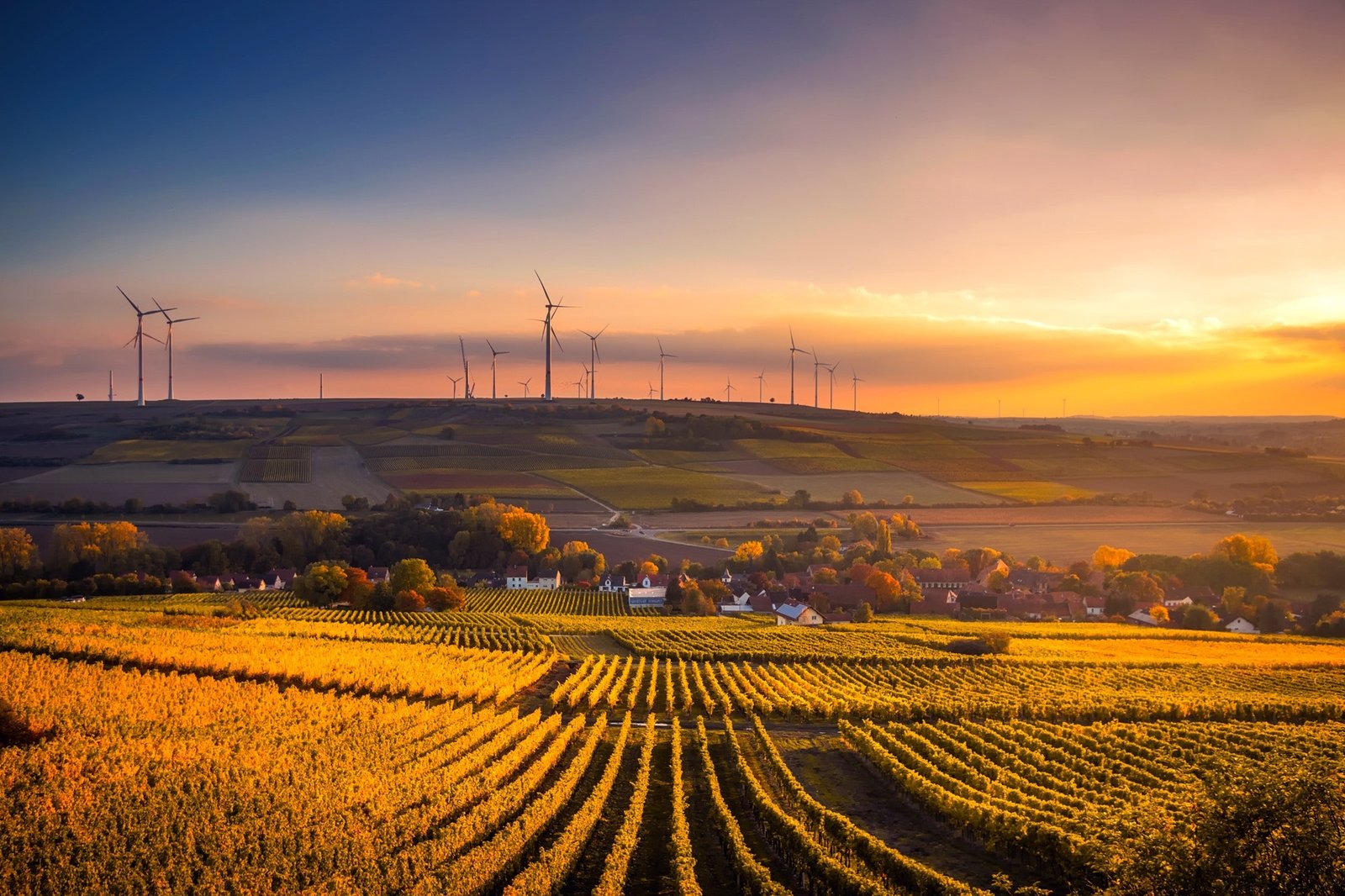
Introduction: Organic farming has gained popularity in recent years as consumers become more conscious about the quality and environmental impact of their food. However, the perception that organic farming and technology are incompatible still lingers. In reality, the integration of farming technology and organic practices can lead to a more sustainable and productive agricultural system. In this article, we will explore how modern farming technology is being used to support organic farming, highlighting the benefits and debunking common misconceptions. 1. Precision Agriculture in Organic Farming: Precision agriculture refers to the use of technology, such as satellite imagery, drones, and sensors, to precisely monitor and manage crop growth. While traditionally associated with conventional farming, precision agriculture can also be applied in organic farming. By accurately assessing soil quality, moisture levels, and nutrient content, farmers can optimize crop production while adhering to organic principles. These tools enable efficient resource management, reduce waste, and increase overall yields, making them valuable allies for organic farmers. 2. Intelligent Pest Management: One of the core principles of organic farming is the reduction or elimination of synthetic pesticides. However, this does not mean that organic farms are defenseless against pests and diseases. Modern technology offers innovative solutions that support organic pest management practices. For instance, farmers can utilize sensors to monitor pest populations and deploy natural predators to reduce pest numbers. Another promising avenue is the use of advanced algorithms to predict pest outbreaks, empowering farmers to take preventive measures and avoid yield losses. 3. Efficient Water Management: Water scarcity is a major challenge faced by farmers worldwide. The integration of technology in organic farming can help address this issue by ensuring efficient water usage. Smart irrigation systems equipped with soil moisture sensors can provide real-time data on soil moisture levels, enabling farmers to irrigate only when necessary. This not only conserves water but also prevents overwatering, a common problem in conventional agriculture. Organic farmers can also employ drip irrigation techniques and rainwater harvesting systems, further optimizing water usage on their farms. 4. Data-Driven Decision Making: Advancements in data analytics have revolutionized the way farmers make decisions, providing valuable insights for organic farmers as well. By collecting and analyzing data on crop growth, weather patterns, and soil conditions, farmers can make more informed choices about fertilization, crop rotation, and planting schedules. Through this data-driven approach, organic farmers can continuously improve their practices, optimize their yields, and minimize environmental impact. 5. Enhancing Organic Certification and Traceability: Technology can also play a crucial role in ensuring the integrity of organic products. Blockchain technology, for example, allows for transparent and tamper-proof documentation of each step in the organic supply chain. By recording information about seed sources, cultivation practices, and storage conditions, consumers can have confidence in the authenticity of organic products. Additionally, digital certification systems enable easier verification and traceability, making it simpler for organic farmers to comply with regulations and access organic markets. Conclusion: Farming technology and organic agriculture are not conflicting forces but instead offer a harmonious alliance for sustainable farming practices. By embracing modern tools and practices, organic farmers can enhance productivity, reduce environmental impact, and meet the growing demands for organic products. The key lies in utilizing technology in a way that complements and supports organic principles, thereby contributing to a more sustainable and resilient food system for future generations.
Leave a Comment:
SEARCH
Recent News
- Zurich, Switzerland, is renowned for its picturesque landscapes, vibrant culture, and thriving economy. However, thousands of kilometers away in Russia, agriculture plays a crucial role in the country's economy and food production.
- YouTube Content Creation and Translation: Exploring Russian Agriculture
- Russian agriculture has a long and rich history, being one of the leading agricultural producers in the world. From traditional farming practices to modern technology advancements, Russian agriculture has seen significant growth and development over the years. If you are interested in learning more about this fascinating industry, there is a YouTube channel that is dedicated to showcasing the intricacies of Russian agriculture.
- The development of work skills in the Russian agriculture sector is crucial for ensuring a sustainable and efficient industry. With a vast expanse of arable land and a rich history of agricultural traditions, Russia has the potential to become a global powerhouse in food production. However, this potential can only be realized through the continuous improvement and development of the skills of the workforce involved in the sector.
- Empowering Women in Politics to Drive Progress in Russian Agriculture
- **Exploring the Role of Women in Russian Agriculture**
- Russia is a country known for its vast agricultural lands and rich farming traditions. From the fertile soils of the Black Earth region to the unique climate of the Siberian steppes, Russian agriculture plays a crucial role in feeding the nation and contributing to the global food supply.
- Russian Agriculture: A Growing Industry with Technological Advances
READ MORE
11 months ago Category : xfarming

Zurich, Switzerland, is renowned for its picturesque landscapes, vibrant culture, and thriving economy. However, thousands of kilometers away in Russia, agriculture plays a crucial role in the country's economy and food production.
Read More →11 months ago Category : xfarming

YouTube Content Creation and Translation: Exploring Russian Agriculture
Read More →11 months ago Category : xfarming

Russian agriculture has a long and rich history, being one of the leading agricultural producers in the world. From traditional farming practices to modern technology advancements, Russian agriculture has seen significant growth and development over the years. If you are interested in learning more about this fascinating industry, there is a YouTube channel that is dedicated to showcasing the intricacies of Russian agriculture.
Read More →11 months ago Category : xfarming
