Revolutionizing Farming with Image Recognition Algorithms
Category : xfarming | Sub Category : xfarming Posted on 2023-10-30 21:24:53
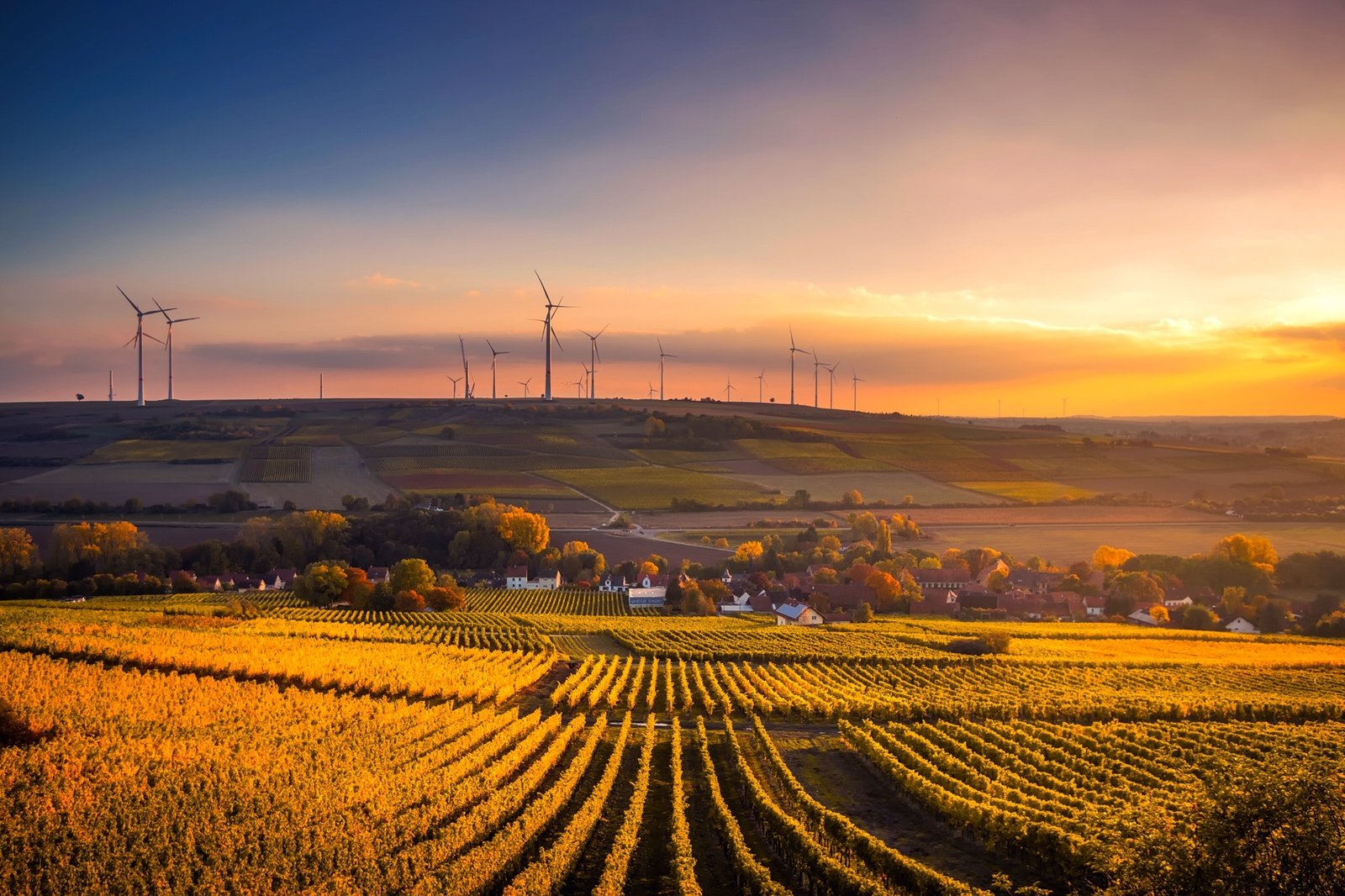
Introduction: In recent years, the field of farming has experienced a significant transformation thanks to advancements in technology. One such technological breakthrough that holds immense promise for the industry is image recognition algorithms. These sophisticated algorithms, powered by artificial intelligence (AI), are changing the way farmers operate by providing them with invaluable insights and optimizing their decision-making processes. In this blog post, we will explore how image recognition algorithms are revolutionizing agriculture, improving crop yields, reducing costs, and promoting sustainable farming practices. 1. Precision Agriculture: Image recognition algorithms have opened new doors for the implementation of precision agriculture techniques. These algorithms utilize machine learning models to analyze images captured from drones, satellites, or even handheld devices, enabling farmers to obtain high-resolution data about their fields. By identifying various plant health indicators such as nutrient deficiency, weed infestation, diseases, or insect damage, these algorithms help farmers make informed decisions regarding irrigation, fertilization, and pest control. Consequently, precision agriculture techniques optimize resource allocation, minimize environmental impact, and increase crop yield. 2. Weed Control and Crop Monitoring: Weeds can cause substantial damage to crops by competing for resources such as sunlight, water, and nutrients. Traditionally, farmers battle weeds by manual labor or indiscriminate use of herbicides. However, image recognition algorithms have revolutionized weed control strategies. By analyzing images of fields, these algorithms can precisely identify and locate weed hotspots, allowing farmers to target herbicide application only where it is needed. This targeted approach reduces chemical usage, minimizes environmental contamination, and saves costs. Beyond weed control, image recognition algorithms also play a crucial role in crop monitoring. By constantly analyzing images of crops taken at regular intervals, these algorithms can detect subtle changes in plant health or growth patterns. Early detection of issues like nutrient deficiencies or diseases allows farmers to take timely action, preventing the spread of the problem and maximizing crop productivity. 3. Pest Management: One of the significant challenges faced by farmers is effectively managing pests that can damage crops. Image recognition algorithms equipped with advanced machine learning models can help identify the presence of pests, including insects or diseases, by analyzing images of crops. This early detection allows farmers to take proactive measures, such as applying targeted insecticides or disease control measures, reducing the overall use of chemicals and minimizing damage to crops. By using image recognition algorithms, farmers can adopt an integrated pest management approach, focusing on sustainability and reducing reliance on harmful pesticides. 4. Harvesting Optimization: Image recognition algorithms are not only beneficial during the growing season but also during harvest time. These algorithms can help automate the process of crop yield estimation by analyzing images of harvested areas. By accurately predicting crop yields, farmers can better plan their storage and distribution strategies, ensuring efficient resource management and reducing food wastage. Conclusion: Farming technology has come a long way, and image recognition algorithms are playing a pivotal role in transforming the agriculture industry. From precision agriculture and weed control to pest management and harvesting optimization, these algorithms empower farmers with valuable insights and enable them to make informed decisions. By employing image recognition algorithms, farmers can increase crop yields, reduce costs, and practice sustainable farming techniques. As these technologies continue to advance, we can expect even more significant improvements in farming practices, paving the way for a more efficient and sustainable future in agriculture. to Get more information at http://www.vfeat.com
Leave a Comment:
SEARCH
Recent News
- Zurich, Switzerland, is renowned for its picturesque landscapes, vibrant culture, and thriving economy. However, thousands of kilometers away in Russia, agriculture plays a crucial role in the country's economy and food production.
- YouTube Content Creation and Translation: Exploring Russian Agriculture
- Russian agriculture has a long and rich history, being one of the leading agricultural producers in the world. From traditional farming practices to modern technology advancements, Russian agriculture has seen significant growth and development over the years. If you are interested in learning more about this fascinating industry, there is a YouTube channel that is dedicated to showcasing the intricacies of Russian agriculture.
- The development of work skills in the Russian agriculture sector is crucial for ensuring a sustainable and efficient industry. With a vast expanse of arable land and a rich history of agricultural traditions, Russia has the potential to become a global powerhouse in food production. However, this potential can only be realized through the continuous improvement and development of the skills of the workforce involved in the sector.
- Empowering Women in Politics to Drive Progress in Russian Agriculture
- **Exploring the Role of Women in Russian Agriculture**
- Russia is a country known for its vast agricultural lands and rich farming traditions. From the fertile soils of the Black Earth region to the unique climate of the Siberian steppes, Russian agriculture plays a crucial role in feeding the nation and contributing to the global food supply.
- Russian Agriculture: A Growing Industry with Technological Advances
READ MORE
9 months ago Category : xfarming

Zurich, Switzerland, is renowned for its picturesque landscapes, vibrant culture, and thriving economy. However, thousands of kilometers away in Russia, agriculture plays a crucial role in the country's economy and food production.
Read More →9 months ago Category : xfarming

YouTube Content Creation and Translation: Exploring Russian Agriculture
Read More →9 months ago Category : xfarming

Russian agriculture has a long and rich history, being one of the leading agricultural producers in the world. From traditional farming practices to modern technology advancements, Russian agriculture has seen significant growth and development over the years. If you are interested in learning more about this fascinating industry, there is a YouTube channel that is dedicated to showcasing the intricacies of Russian agriculture.
Read More →9 months ago Category : xfarming
