Safeguarding Farming Technology: The Importance of Data Security in Modern Agriculture
Category : xfarming | Sub Category : xfarming Posted on 2023-10-30 21:24:53
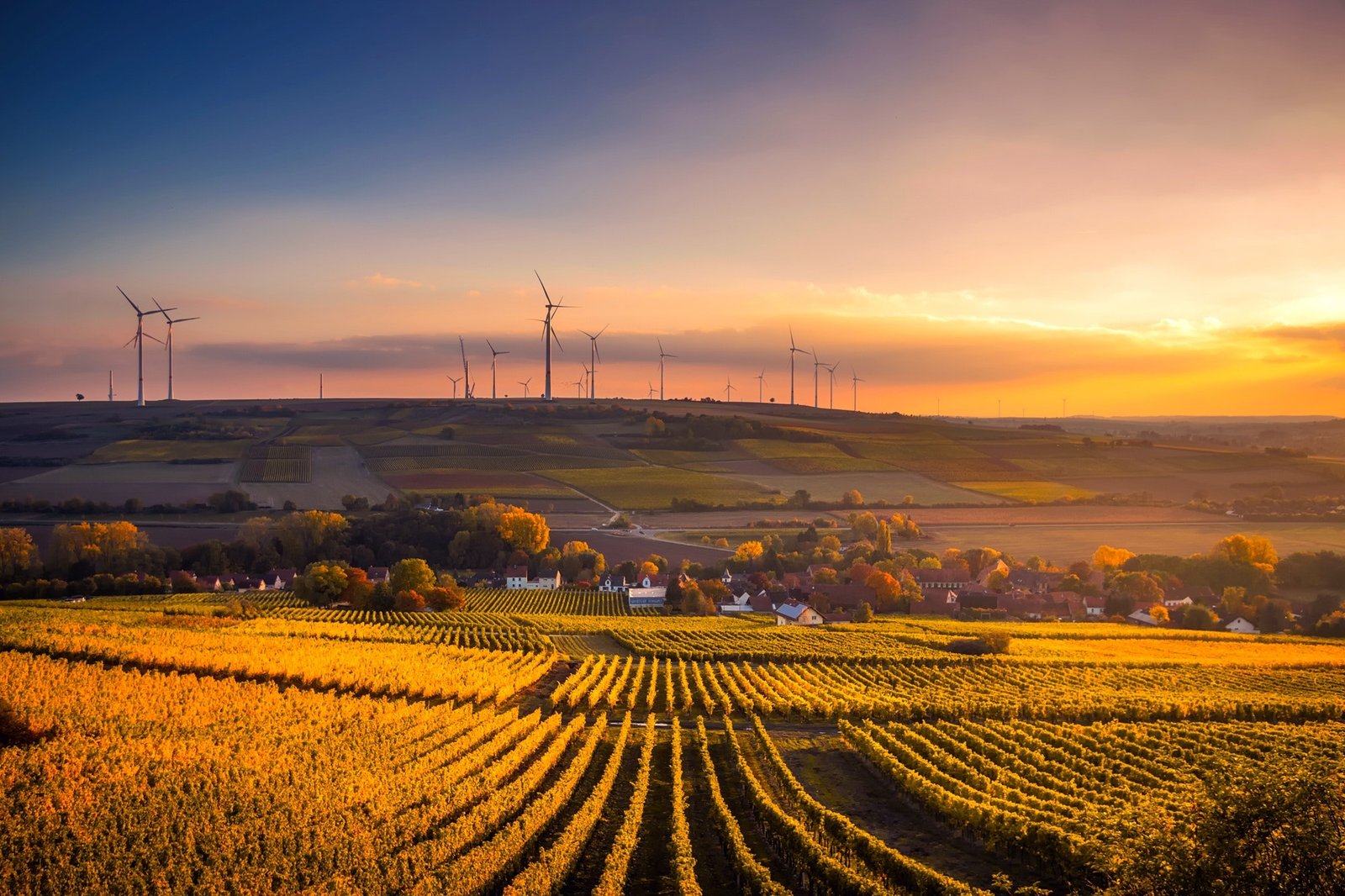
Introduction: As technology continues to revolutionize the agriculture industry, farmers are now relying on advanced tools and machinery to improve productivity, efficiency, and sustainability. From precision farming techniques to smart sensors and autonomous machinery, the integration of technology has undoubtedly transformed modern farming. However, with the adoption of these innovative solutions, the need for data security has become increasingly critical. In this blog post, we will explore the importance of data security in farming technology and discuss measures that farmers can take to protect their valuable information. The Value of Data in Agriculture: In today's digital era, data has become a valuable asset in almost every industry, and agriculture is no exception. Farming technology generates vast amounts of data, including weather patterns, soil conditions, crop growth rates, and livestock information. This data is not only essential for optimizing farming practices but also for making informed business decisions. Moreover, data analysis helps farmers identify trends, predict yields, and manage resources effectively. However, the same data can be at risk of theft or misuse if not adequately protected. Risks and Vulnerabilities: As farmers increasingly rely on digital tools and cloud-based platforms, the risks associated with data security also grow. Some of the potential vulnerabilities farmers need to be aware of include: 1. Unauthorized access: If agricultural data falls into the wrong hands, it can disrupt operations, compromise farm management strategies, and even pose a threat to biosecurity. 2. Data breaches: Cyberattacks are a prevalent risk, and the consequences of a data breach can be severe. Farming technology may be accessed by hackers seeking valuable information or seeking to manipulate or disrupt farm operations. 3. Intellectual property theft: Valuable research, proprietary algorithms, and cutting-edge technologies developed by agricultural technology companies or research institutions could be targets of theft, potentially leading to financial and reputational damages for farmers. Protecting Farming Technology and Data: To protect farming technology and data from breaches or unauthorized access, farmers should consider implementing the following measures: 1. Strengthen network security: Utilize secure networks, firewalls, and virtual private networks (VPNs) to protect data in transit. Regularly update software and use strong, unique passwords and multi-factor authentication. 2. Secure physical devices: Protect computers, smartphones, tablets, and other devices with anti-virus software and encryption. Employ remote tracking and data-wiping capabilities in case of loss or theft. 3. Data storage and backups: Ensure data storage systems are securely encrypted, and regularly back up essential data to an off-site location. This will help mitigate the impact of potential data loss or ransomware attacks. 4. Educate employees: Train all staff members on data security best practices and raise awareness about potential risks. Encourage strong password management, phishing awareness, and emphasize the importance of reporting any suspicious activities. 5. Choose reliable technology providers: Partner with reputable agriculture technology providers that prioritize data security, regularly update their systems, and have established procedures for handling potential breaches. Conclusion: The integration of farming technology has brought numerous benefits to the agriculture industry. However, the increased reliance on technology and data-driven decision-making demands a strong focus on data security. Farmers must be proactive in implementing robust security measures to safeguard valuable data from unauthorized access, breaches, and intellectual property theft. By prioritizing data security, farmers can continue to leverage the power of technology to optimize current agricultural practices and lay the foundation for a sustainable and efficient future in agriculture. To understand this better, read http://www.privacyless.com
Leave a Comment:
SEARCH
Recent News
- Zurich, Switzerland, is renowned for its picturesque landscapes, vibrant culture, and thriving economy. However, thousands of kilometers away in Russia, agriculture plays a crucial role in the country's economy and food production.
- YouTube Content Creation and Translation: Exploring Russian Agriculture
- Russian agriculture has a long and rich history, being one of the leading agricultural producers in the world. From traditional farming practices to modern technology advancements, Russian agriculture has seen significant growth and development over the years. If you are interested in learning more about this fascinating industry, there is a YouTube channel that is dedicated to showcasing the intricacies of Russian agriculture.
- The development of work skills in the Russian agriculture sector is crucial for ensuring a sustainable and efficient industry. With a vast expanse of arable land and a rich history of agricultural traditions, Russia has the potential to become a global powerhouse in food production. However, this potential can only be realized through the continuous improvement and development of the skills of the workforce involved in the sector.
- Empowering Women in Politics to Drive Progress in Russian Agriculture
- **Exploring the Role of Women in Russian Agriculture**
- Russia is a country known for its vast agricultural lands and rich farming traditions. From the fertile soils of the Black Earth region to the unique climate of the Siberian steppes, Russian agriculture plays a crucial role in feeding the nation and contributing to the global food supply.
- Russian Agriculture: A Growing Industry with Technological Advances
READ MORE
11 months ago Category : xfarming

Zurich, Switzerland, is renowned for its picturesque landscapes, vibrant culture, and thriving economy. However, thousands of kilometers away in Russia, agriculture plays a crucial role in the country's economy and food production.
Read More →11 months ago Category : xfarming

YouTube Content Creation and Translation: Exploring Russian Agriculture
Read More →11 months ago Category : xfarming

Russian agriculture has a long and rich history, being one of the leading agricultural producers in the world. From traditional farming practices to modern technology advancements, Russian agriculture has seen significant growth and development over the years. If you are interested in learning more about this fascinating industry, there is a YouTube channel that is dedicated to showcasing the intricacies of Russian agriculture.
Read More →11 months ago Category : xfarming
