Revolutionizing Agriculture: The Future of Farming Technology
Category : xfarming | Sub Category : xfarming Posted on 2023-10-30 21:24:53
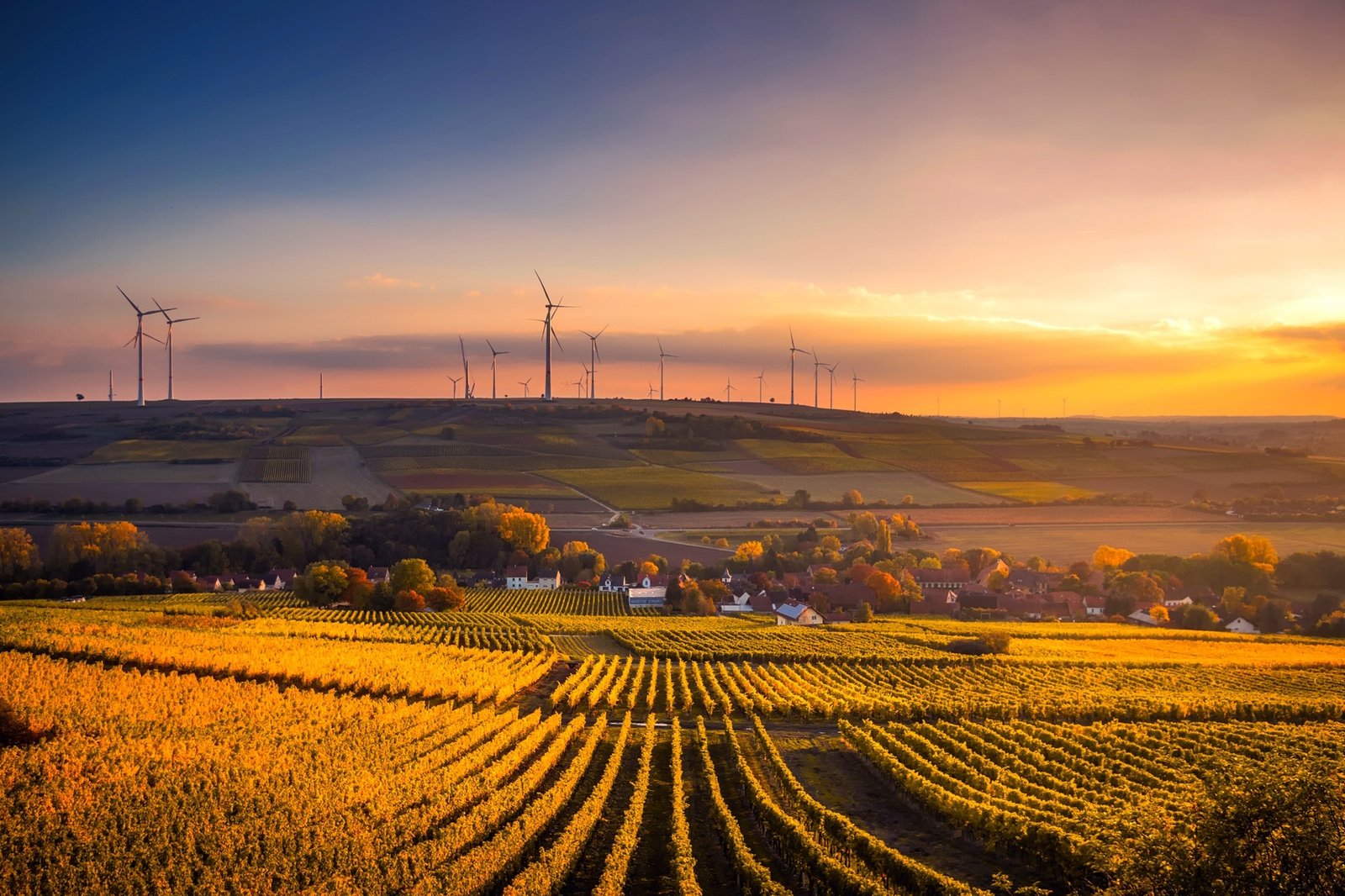
Introduction: In recent years, the agricultural industry has witnessed groundbreaking advancements in farming technology that have revolutionized the way crops are grown and harvested. These technological developments have not only increased efficiency and productivity but also helped address challenges such as climate change, diminishing resources, and a growing global population. In this blog post, we will explore some of the most promising farming technologies that are shaping the future of agriculture. 1. Precision Farming: Precision farming, also known as precision agriculture or satellite farming, involves the use of different tools and technologies to precisely manage and optimize farming practices. With the help of remote sensing devices, such as drones and satellites, farmers can gather real-time data on soil health, moisture levels, crop growth, and pest infestations. This data enables them to tailor their actions, like adjusting irrigation, fertilizing, or applying pesticides, to specific areas in the field, minimizing waste and maximizing yields. 2. Vertical Farming: Vertical farming is a revolutionary farming technique that involves growing crops indoors, in vertically stacked layers. This method utilizes artificial lighting, climate control systems, and hydroponics or aeroponics to provide optimal conditions for plant growth. Vertical farms have a small footprint while yielding high crop production, making them ideal for urban agriculture. Moreover, they significantly reduce the need for pesticides, conserve water, and can operate year-round regardless of weather conditions. 3. Robotics and Automation: Advances in robotics have transformed the way agriculture is carried out, making farming more efficient and less labor-intensive. Robots now perform tasks such as planting, weeding, harvesting, and even sorting and packaging crops. These robots are equipped with advanced imaging and sensing technologies, enabling them to identify and handle crops with precision and care. They can work tirelessly, 24/7, reducing human error and improving overall productivity. 4. Internet of Things (IoT): The Internet of Things (IoT) has paved the way for interconnected systems in agriculture, allowing farmers to monitor and control their farming operations remotely. IoT devices, such as smart sensors and actuators, provide real-time data on weather conditions, soil moisture, plant growth, and equipment performance. This information helps farmers make data-driven decisions, optimize resource use, and detect potential issues before they turn into costly problems. 5. Genetic Engineering: Genetic engineering has the potential to revolutionize crop production by developing plants that exhibit improved traits such as drought resistance, disease resistance, and higher yields. Through genetic modification, scientists can introduce specific genes into plants, enabling them to withstand harsh environmental conditions and produce more nutritious food. These genetically modified crops have the potential to significantly enhance sustainability and food security on a global scale. Conclusion: The future of farming lies in the integration of cutting-edge technologies that maximize efficiency, optimize resource use, and lessen the environmental impact of agriculture. Precision farming techniques, vertical farming, robotics, IoT, and genetic engineering are just a few examples of how technology is transforming the agricultural landscape. As the world faces increasing challenges related to climate change and limited resources, embracing these advancements is crucial for ensuring sustainable and resilient food production systems. By harnessing the power of technology, farmers can shape the future of agriculture and contribute to a more food-secure world.
Leave a Comment:
SEARCH
Recent News
- Zurich, Switzerland, is renowned for its picturesque landscapes, vibrant culture, and thriving economy. However, thousands of kilometers away in Russia, agriculture plays a crucial role in the country's economy and food production.
- YouTube Content Creation and Translation: Exploring Russian Agriculture
- Russian agriculture has a long and rich history, being one of the leading agricultural producers in the world. From traditional farming practices to modern technology advancements, Russian agriculture has seen significant growth and development over the years. If you are interested in learning more about this fascinating industry, there is a YouTube channel that is dedicated to showcasing the intricacies of Russian agriculture.
- The development of work skills in the Russian agriculture sector is crucial for ensuring a sustainable and efficient industry. With a vast expanse of arable land and a rich history of agricultural traditions, Russia has the potential to become a global powerhouse in food production. However, this potential can only be realized through the continuous improvement and development of the skills of the workforce involved in the sector.
- Empowering Women in Politics to Drive Progress in Russian Agriculture
- **Exploring the Role of Women in Russian Agriculture**
- Russia is a country known for its vast agricultural lands and rich farming traditions. From the fertile soils of the Black Earth region to the unique climate of the Siberian steppes, Russian agriculture plays a crucial role in feeding the nation and contributing to the global food supply.
- Russian Agriculture: A Growing Industry with Technological Advances
READ MORE
11 months ago Category : xfarming

Zurich, Switzerland, is renowned for its picturesque landscapes, vibrant culture, and thriving economy. However, thousands of kilometers away in Russia, agriculture plays a crucial role in the country's economy and food production.
Read More →11 months ago Category : xfarming

YouTube Content Creation and Translation: Exploring Russian Agriculture
Read More →11 months ago Category : xfarming

Russian agriculture has a long and rich history, being one of the leading agricultural producers in the world. From traditional farming practices to modern technology advancements, Russian agriculture has seen significant growth and development over the years. If you are interested in learning more about this fascinating industry, there is a YouTube channel that is dedicated to showcasing the intricacies of Russian agriculture.
Read More →11 months ago Category : xfarming
