The Intersection of Engineering and Livestock Farming: Paving the Way for a Sustainable Future in Agriculture
Category : xfarming | Sub Category : xfarming Posted on 2023-10-30 21:24:53
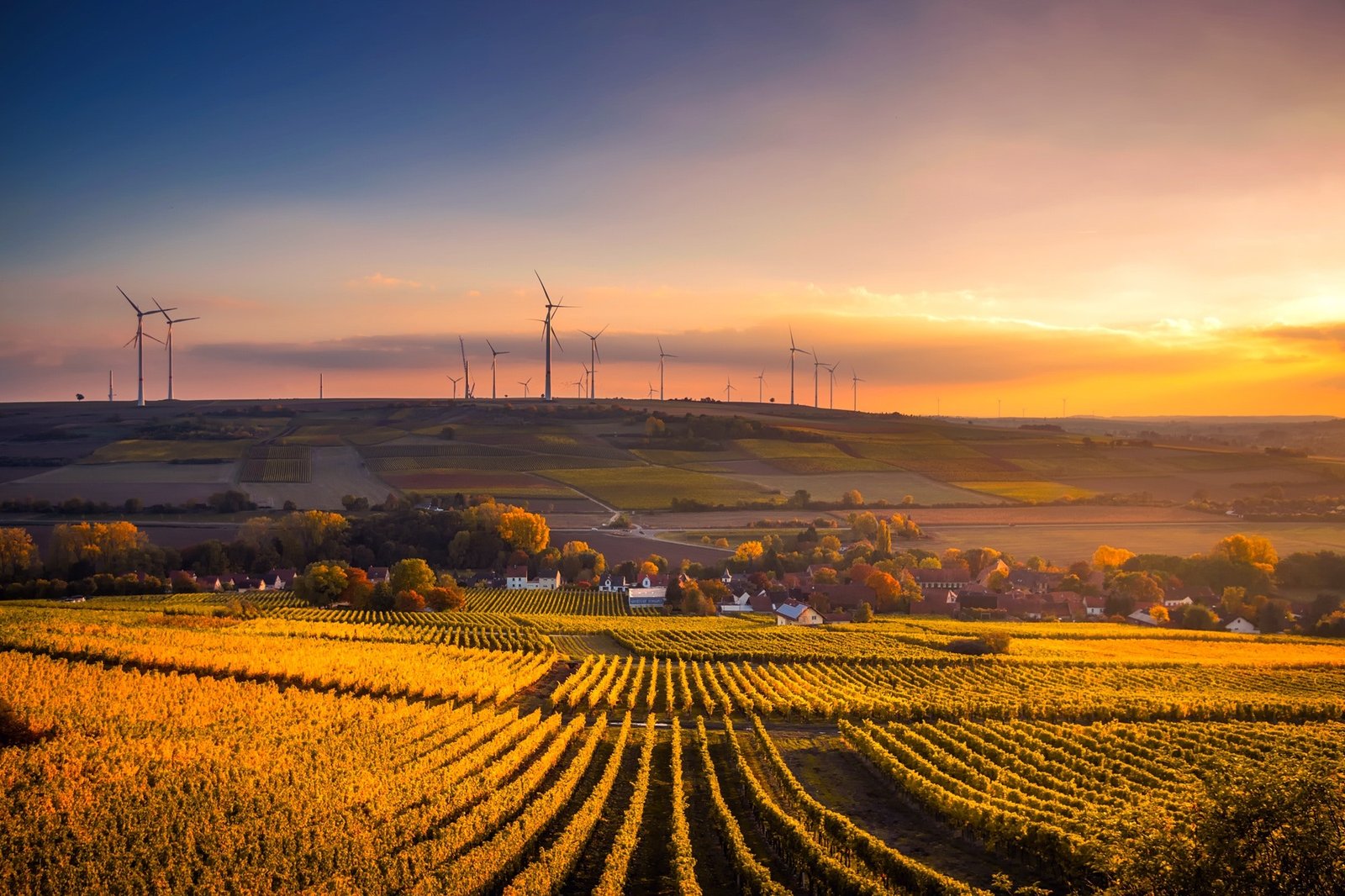
Introduction: Livestock farming plays a crucial role in meeting the world's increasing demand for protein-rich food. However, this industry faces numerous challenges, such as the need to improve animal welfare, reduce environmental impact, and enhance productivity. Fortunately, the field of engineering and STEM (Science, Technology, Engineering, and Mathematics) is rising to the occasion, providing innovative solutions that are revolutionizing livestock farming. In this blog post, we will explore how engineering is transforming the practices in the livestock farming industry, creating a more sustainable future for agriculture. 1. Precision Livestock Farming: Precision Livestock Farming (PLF) is an emerging field that leverages technological advancements to monitor and manage livestock production systems. This approach utilizes various sensors, IoT (Internet of Things) devices, and data analytics to provide continuous monitoring of key parameters such as animal behavior, health, and nutrition. By employing PLF techniques, farmers can optimize resource allocation, reduce waste, and make informed decisions to improve animal welfare. 2. Automated Feeding Systems: Traditionally, feeding livestock has been a labor-intensive task. However, with the integration of engineering and automation, farmers can now employ advanced feeding systems that optimize feed distribution, reduce waste, and enhance efficiency. Automated feeding systems can accurately dispense feed based on the specific requirements of each animal, ensuring a balanced diet and minimizing overfeeding. These systems not only improve animal health but also save resources, benefiting both farmers and the environment. 3. Environmental Monitoring and Control: Sustainable livestock farming involves monitoring and mitigating the environmental impact of production systems. Engineering solutions are enabling farmers to implement precise environmental monitoring and control measures. Sensors and monitoring devices can detect and track parameters such as air quality, temperature, humidity, and waste management. By leveraging this data, farmers can optimize ventilation, manage waste disposal effectively, and minimize the release of harmful emissions, thus reducing the overall environmental footprint. 4. Robotics and Automation: Advancements in robotics and automation have opened up new possibilities in livestock farming. Robots are increasingly being used for tasks such as milking, shearing, and even autonomous herding. These technologies not only reduce manual labor requirements but also improve efficiency and accuracy. By automating repetitive tasks, farmers can focus on higher-value activities, leading to higher productivity and profits. 5. Sustainable Energy Solutions: Addressing the energy demands of livestock farming is crucial for achieving sustainability in the industry. Engineering breakthroughs have led to the development of sustainable energy solutions, such as solar panels and bioenergy systems, which can power various farming operations. These renewable energy sources help reduce dependency on fossil fuels, lower operational costs, and decrease greenhouse gas emissions. Conclusion: Engineering and STEM disciplines are reshaping the future of livestock farming by providing innovative solutions to the challenges faced by the industry. Precision Livestock Farming, automated feeding systems, environmental monitoring and control, robotics, and sustainable energy solutions are just some of the prominent examples of how engineering is revolutionizing livestock farming practices. By leveraging these technological advancements, farmers can enhance animal welfare, increase productivity, reduce environmental impact, and ultimately contribute to a more sustainable future in agriculture.
Leave a Comment:
SEARCH
Recent News
- Zurich, Switzerland, is renowned for its picturesque landscapes, vibrant culture, and thriving economy. However, thousands of kilometers away in Russia, agriculture plays a crucial role in the country's economy and food production.
- YouTube Content Creation and Translation: Exploring Russian Agriculture
- Russian agriculture has a long and rich history, being one of the leading agricultural producers in the world. From traditional farming practices to modern technology advancements, Russian agriculture has seen significant growth and development over the years. If you are interested in learning more about this fascinating industry, there is a YouTube channel that is dedicated to showcasing the intricacies of Russian agriculture.
- The development of work skills in the Russian agriculture sector is crucial for ensuring a sustainable and efficient industry. With a vast expanse of arable land and a rich history of agricultural traditions, Russia has the potential to become a global powerhouse in food production. However, this potential can only be realized through the continuous improvement and development of the skills of the workforce involved in the sector.
- Empowering Women in Politics to Drive Progress in Russian Agriculture
- **Exploring the Role of Women in Russian Agriculture**
- Russia is a country known for its vast agricultural lands and rich farming traditions. From the fertile soils of the Black Earth region to the unique climate of the Siberian steppes, Russian agriculture plays a crucial role in feeding the nation and contributing to the global food supply.
- Russian Agriculture: A Growing Industry with Technological Advances
READ MORE
10 months ago Category : xfarming

Zurich, Switzerland, is renowned for its picturesque landscapes, vibrant culture, and thriving economy. However, thousands of kilometers away in Russia, agriculture plays a crucial role in the country's economy and food production.
Read More →10 months ago Category : xfarming

YouTube Content Creation and Translation: Exploring Russian Agriculture
Read More →10 months ago Category : xfarming

Russian agriculture has a long and rich history, being one of the leading agricultural producers in the world. From traditional farming practices to modern technology advancements, Russian agriculture has seen significant growth and development over the years. If you are interested in learning more about this fascinating industry, there is a YouTube channel that is dedicated to showcasing the intricacies of Russian agriculture.
Read More →10 months ago Category : xfarming
