Engineering STEM: From Farm to Table
Category : xfarming | Sub Category : xfarming Posted on 2023-10-30 21:24:53
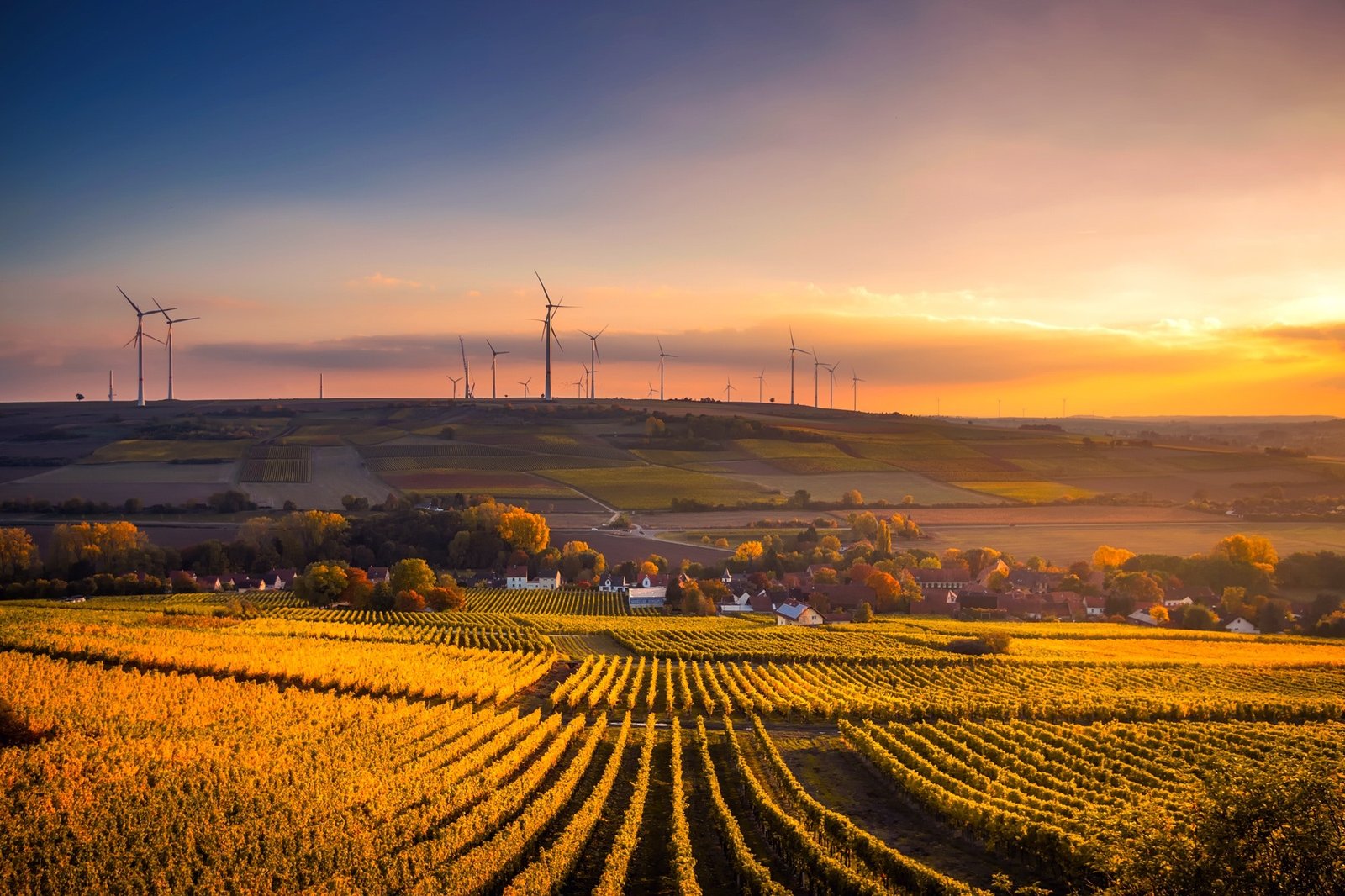
Introduction: In recent years, the farm-to-table movement has gained significant popularity. Consumers are becoming more conscious about where their food comes from, seeking locally sourced and sustainable options. But have you ever stopped to think about the engineering behind this innovative movement? In this blog post, we'll explore how engineering plays a critical role in every step of the farm-to-table process, from the fields to your plate. 1. Precision Agriculture: Precision agriculture, also known as precision farming, is a technology-driven approach that optimizes agricultural practices. This field of engineering utilizes advanced sensors, drones, and satellite imagery to collect and analyze data about soil conditions, crop health, and more. By precisely managing resources like water, fertilizers, and pesticides, farmers can maximize crop yield while minimizing environmental impact. 2. Farm Automation: Farm automation is revolutionizing the way we cultivate and harvest our food. From robotic seed planters and autonomous tractors to self-driving harvesters, engineering innovations are simplifying labor-intensive tasks and increasing productivity. These machines can operate accurately and efficiently, reducing the need for manual labor and improving overall farm yield. 3. Vertical Farming: Vertical farming is an innovative solution to the increasing demand for food production in urban areas. This practice involves growing crops in vertically stacked layers, utilizing artificial lighting and climate control systems. Engineers play a crucial role in designing and implementing these controlled environments, ensuring optimal growing conditions for various crops. Vertical farming not only saves space but also reduces water usage and eliminates the need for pesticides. 4. Transportation and Logistics: Efficient transportation and logistics systems are crucial in the farm-to-table process. Engineers design and develop refrigerated trucks and storage facilities to maintain the freshness of produce during transit. They also create advanced routing algorithms to optimize the delivery route and reduce waste. These technological advancements help ensure that fresh, locally sourced food reaches consumers in a timely and sustainable manner. 5. Food Processing and Packaging: Once the crops are harvested, engineering is involved in food processing and packaging. Engineers design and operate machinery used in processing plants, such as sorting, cleaning, and packaging equipment. They focus on optimizing efficiency, maintaining food quality, and ensuring safety standards are met. Additionally, engineers work on developing sustainable packaging solutions, such as biodegradable materials or recyclable containers, to reduce environmental impact. Conclusion: The farm-to-table movement is not only about supporting local farmers and eating healthy, sustainably sourced food. It is also about the engineering behind it all. From precision agriculture and farm automation to vertical farming and efficient transportation, engineering plays a vital role in every step of the process. By embracing technological advancements, we can work towards a more sustainable, efficient, and environmentally friendly food system for a healthier future. So, the next time you enjoy a farm-fresh meal, remember to appreciate the engineering innovations that made it all possible!
Leave a Comment:
SEARCH
Recent News
- Zurich, Switzerland, is renowned for its picturesque landscapes, vibrant culture, and thriving economy. However, thousands of kilometers away in Russia, agriculture plays a crucial role in the country's economy and food production.
- YouTube Content Creation and Translation: Exploring Russian Agriculture
- Russian agriculture has a long and rich history, being one of the leading agricultural producers in the world. From traditional farming practices to modern technology advancements, Russian agriculture has seen significant growth and development over the years. If you are interested in learning more about this fascinating industry, there is a YouTube channel that is dedicated to showcasing the intricacies of Russian agriculture.
- The development of work skills in the Russian agriculture sector is crucial for ensuring a sustainable and efficient industry. With a vast expanse of arable land and a rich history of agricultural traditions, Russia has the potential to become a global powerhouse in food production. However, this potential can only be realized through the continuous improvement and development of the skills of the workforce involved in the sector.
- Empowering Women in Politics to Drive Progress in Russian Agriculture
- **Exploring the Role of Women in Russian Agriculture**
- Russia is a country known for its vast agricultural lands and rich farming traditions. From the fertile soils of the Black Earth region to the unique climate of the Siberian steppes, Russian agriculture plays a crucial role in feeding the nation and contributing to the global food supply.
- Russian Agriculture: A Growing Industry with Technological Advances
READ MORE
10 months ago Category : xfarming

Zurich, Switzerland, is renowned for its picturesque landscapes, vibrant culture, and thriving economy. However, thousands of kilometers away in Russia, agriculture plays a crucial role in the country's economy and food production.
Read More →10 months ago Category : xfarming

YouTube Content Creation and Translation: Exploring Russian Agriculture
Read More →10 months ago Category : xfarming

Russian agriculture has a long and rich history, being one of the leading agricultural producers in the world. From traditional farming practices to modern technology advancements, Russian agriculture has seen significant growth and development over the years. If you are interested in learning more about this fascinating industry, there is a YouTube channel that is dedicated to showcasing the intricacies of Russian agriculture.
Read More →10 months ago Category : xfarming
