The Future of Engineering and STEM in Agroforestry
Category : xfarming | Sub Category : xfarming Posted on 2023-10-30 21:24:53
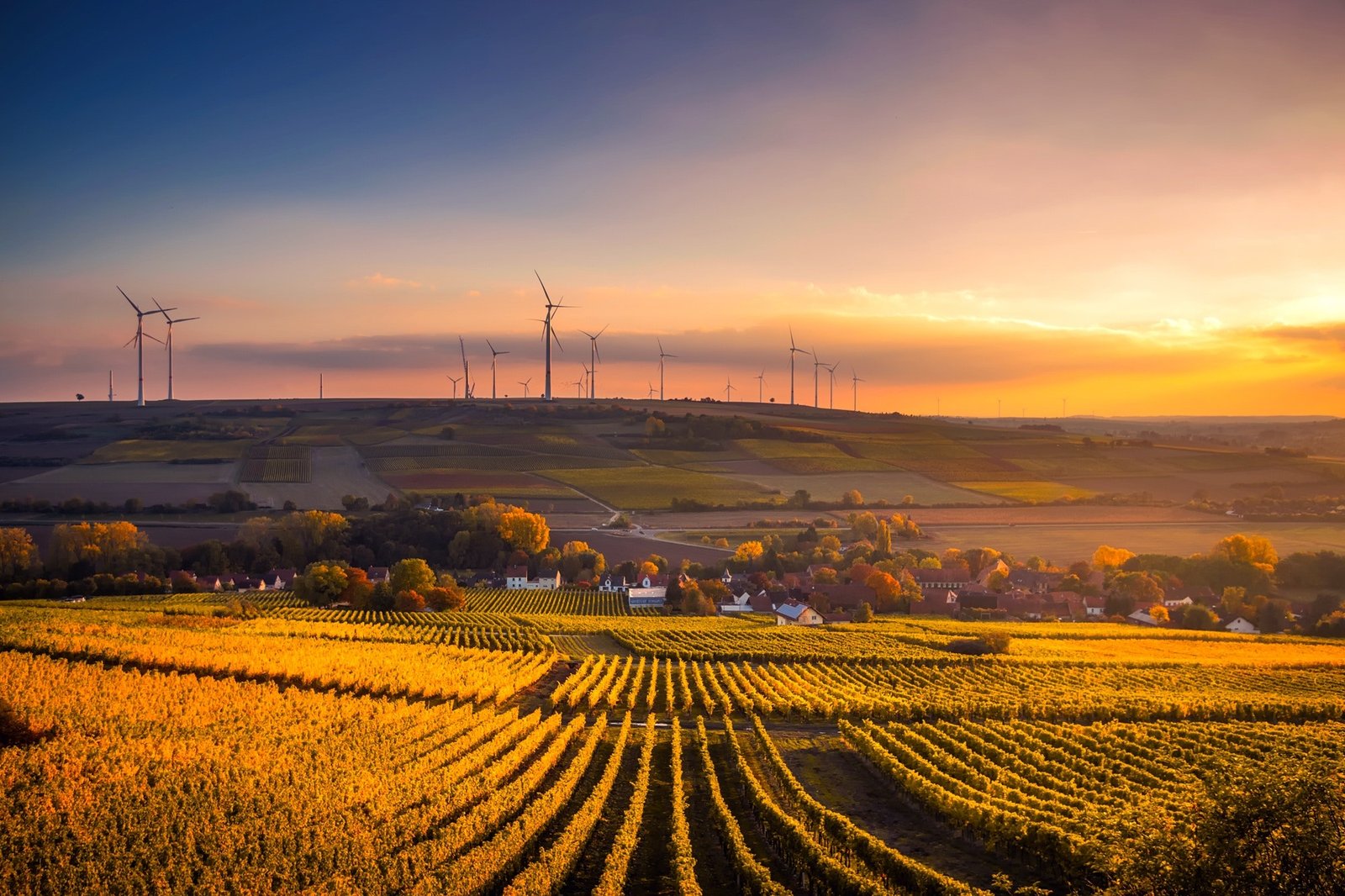
Introduction: In recent years, the concept of agroforestry has gained significant attention as a sustainable farming practice. By blending agriculture and forestry techniques, agroforestry offers numerous environmental and socioeconomic benefits. As we look ahead to a future where our planet faces increasing challenges, engineering and STEM play crucial roles in advancing agroforestry practices. In this blog post, we will explore how engineering and STEM disciplines are shaping the future of agroforestry and paving the way for a more sustainable and resilient agricultural system. 1. Precision Agriculture: One of the key areas where engineering and STEM intersect with agroforestry is through precision agriculture techniques. With the help of advanced technologies, farmers can now collect data on soil health, plant growth, and climate conditions more accurately than ever before. Engineers are developing sensor technologies, drones, and satellite imaging systems to provide real-time data analytics for farmers. This data-driven approach enables farmers to make informed decisions about planting, irrigation, and nutrient management, leading to increased productivity and resource efficiency in agroforestry systems. 2. Sustainable Irrigation and Water Management: Agroforestry systems rely heavily on proper water management to ensure the health and productivity of crops and trees. Engineers are working on innovative irrigation techniques that optimize water usage while reducing wastage and environmental impact. Water-saving drip irrigation systems, soil moisture sensors, and automated irrigation scheduling are just a few examples of engineering solutions that promote sustainable water management in agroforestry. Moreover, STEM researchers are developing models that simulate water availability and predict droughts, aiding farmers in making informed decisions about water allocation strategies. 3. Biomass Conversion and Energy Generation: Agroforestry systems produce a significant amount of biomass, including crop residues and tree trimmings. Here, engineering plays a vital role in developing technologies for efficient biomass conversion and energy generation. Biomass can be converted into biofuels, biogas, and other renewable energy sources using processes such as anaerobic digestion, pyrolysis, and gasification. These technologies not only provide a renewable source of energy but also help in managing waste and reducing greenhouse gas emissions, making agroforestry systems more sustainable and self-sufficient. 4. Genetic Engineering and Plant Breeding: Scientists and researchers in the field of STEM are actively working on genetic engineering and plant breeding to enhance the characteristics of agroforestry crops. By utilizing biotechnology tools, they aim to develop crop varieties that are more resilient to environmental stresses such as drought, pests, and diseases. Additionally, genetic modifications can help improve the nutritional profile of crops, making them more valuable both in terms of human consumption and animal feed. Through genetic engineering and plant breeding, agroforestry systems can become more productive, adaptive, and sustainable in the face of changing environmental conditions. Conclusion: The future of agroforestry is intertwined with the progress and innovation in engineering and STEM disciplines. As we strive for a more sustainable and resilient agricultural system, the application of precision agriculture techniques, sustainable water management practices, biomass conversion technologies, and genetic engineering in agroforestry will play pivotal roles. By promoting collaboration between engineering, STEM, and agroforestry professionals, we can harness the power of innovation to ensure food security, biodiversity conservation, and environmental sustainability for generations to come.
Leave a Comment:
SEARCH
Recent News
- Zurich, Switzerland, is renowned for its picturesque landscapes, vibrant culture, and thriving economy. However, thousands of kilometers away in Russia, agriculture plays a crucial role in the country's economy and food production.
- YouTube Content Creation and Translation: Exploring Russian Agriculture
- Russian agriculture has a long and rich history, being one of the leading agricultural producers in the world. From traditional farming practices to modern technology advancements, Russian agriculture has seen significant growth and development over the years. If you are interested in learning more about this fascinating industry, there is a YouTube channel that is dedicated to showcasing the intricacies of Russian agriculture.
- The development of work skills in the Russian agriculture sector is crucial for ensuring a sustainable and efficient industry. With a vast expanse of arable land and a rich history of agricultural traditions, Russia has the potential to become a global powerhouse in food production. However, this potential can only be realized through the continuous improvement and development of the skills of the workforce involved in the sector.
- Empowering Women in Politics to Drive Progress in Russian Agriculture
- **Exploring the Role of Women in Russian Agriculture**
- Russia is a country known for its vast agricultural lands and rich farming traditions. From the fertile soils of the Black Earth region to the unique climate of the Siberian steppes, Russian agriculture plays a crucial role in feeding the nation and contributing to the global food supply.
- Russian Agriculture: A Growing Industry with Technological Advances
READ MORE
11 months ago Category : xfarming

Zurich, Switzerland, is renowned for its picturesque landscapes, vibrant culture, and thriving economy. However, thousands of kilometers away in Russia, agriculture plays a crucial role in the country's economy and food production.
Read More →11 months ago Category : xfarming

YouTube Content Creation and Translation: Exploring Russian Agriculture
Read More →11 months ago Category : xfarming

Russian agriculture has a long and rich history, being one of the leading agricultural producers in the world. From traditional farming practices to modern technology advancements, Russian agriculture has seen significant growth and development over the years. If you are interested in learning more about this fascinating industry, there is a YouTube channel that is dedicated to showcasing the intricacies of Russian agriculture.
Read More →11 months ago Category : xfarming
