Data Privacy: Building a Sustainable Future for Agriculture
Category : xfarming | Sub Category : xfarming Posted on 2023-10-30 21:24:53
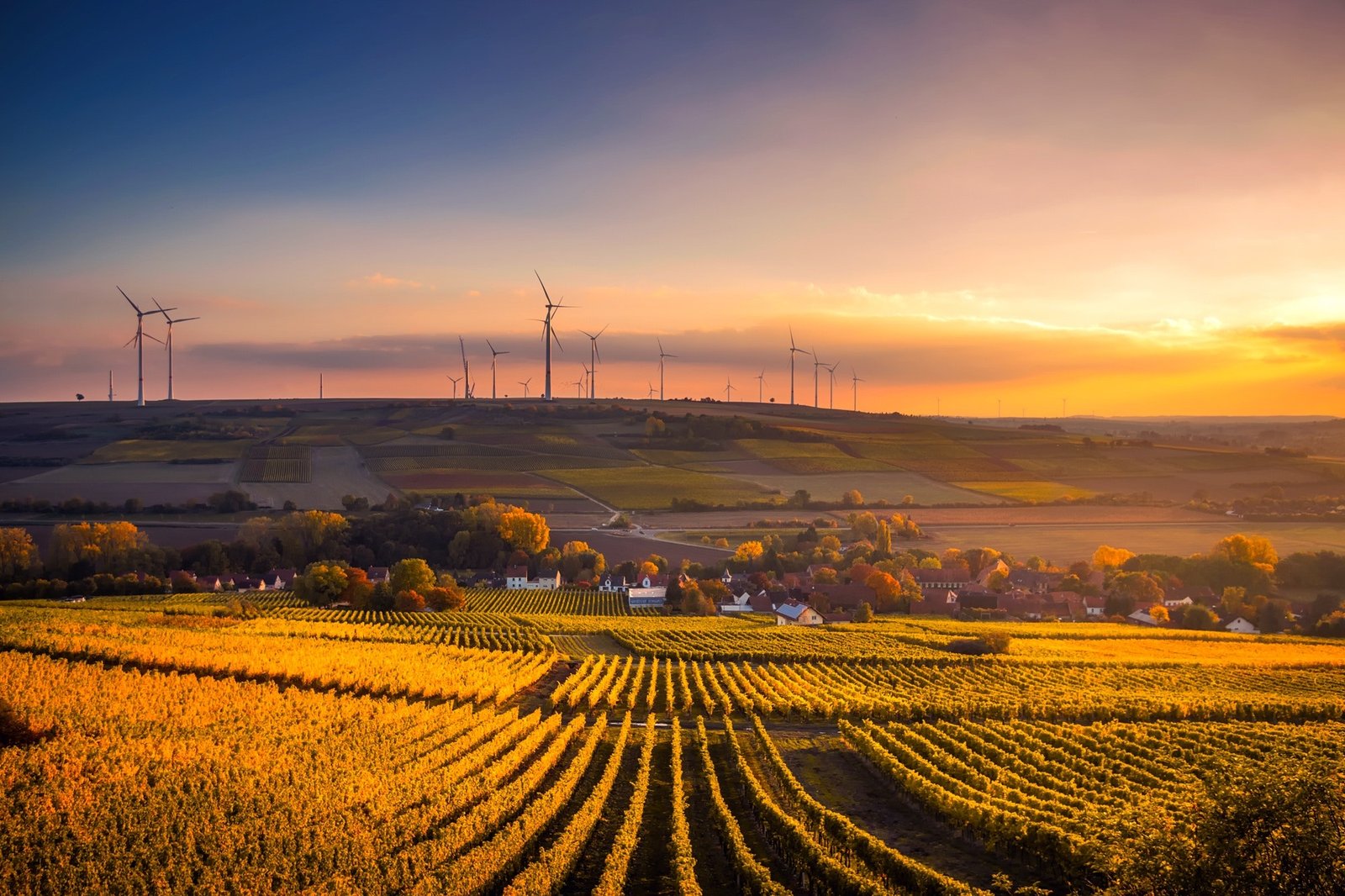
Introduction: In today's digital age, data is more valuable than ever before. The exponential growth of technology has transformed industries, including agriculture. Access to vast amounts of data has enabled farmers to make data-driven decisions and optimize their operations for better yields. However, this convenience and efficiency come with a critical concern - data privacy. In this blog post, we will explore the importance of data privacy in sustainable agriculture and the steps that can be taken to safeguard sensitive information. The Value of Data in Sustainable Agriculture: Data plays a pivotal role in the world of sustainable agriculture. By collecting and analyzing data, farmers can make informed decisions about irrigation, crop rotation, pest management, and nutrient application. These insights not only optimize resource usage but also enhance crop resilience and yield. With the integration of Internet of Things (IoT) devices and drones, farmers can gather real-time data on soil moisture levels, weather patterns, and plant health, enabling precise interventions to meet the demands of a growing population. Challenges in Data Privacy: While data empowers farmers, it is crucial to recognize the potential risks associated with data privacy. Agriculture involves various stakeholders, including farmers, agribusinesses, researchers, and technology providers. Each entity collects and handles different datasets, comprising personal, operational, and experimental information. Protecting this data from unauthorized access, misuse, or disclosure is paramount. Safeguarding Data Privacy in Sustainable Agriculture: 1. Consent and Transparency: It is essential to obtain informed consent from farmers before collecting their data. Clear communication about the nature of data being collected, how it will be used, and potential benefits empowers farmers to make informed decisions about sharing their information. 2. Strong Data Encryption: Farmers' data should be encrypted both during storage and transmission, ensuring that it remains secure even if intercepted by unauthorized individuals. This step helps maintain the confidentiality and integrity of sensitive information. 3. Anonymization and De-Identification: Aggregated and anonymized data can provide valuable insights without revealing individual identity. By removing personally identifiable information, such as names or addresses, data can be used for research and analysis purposes while ensuring privacy. 4. Limited Data Sharing: Agribusinesses and technology providers should adopt a responsible approach when sharing data. Data should only be shared with authorized parties and for specific purposes, while ensuring it is protected by legally binding agreements. 5. Regular Security Audits: Regular evaluation of data protection measures through security audits helps identify vulnerabilities and mitigate risks. This practice assures farmers that their data is being handled responsibly and helps improve the overall data privacy ecosystem. Conclusion: Data privacy is a fundamental aspect of sustainable agriculture as it enables farmers to reap the benefits of advanced data-driven technologies while protecting their personal and operational information. By implementing robust privacy measures such as informed consent, data encryption, anonymization, limited data sharing, and security audits, the agricultural industry can ensure that data-driven innovations continue to support sustainability and address the challenges of food security. As we forge ahead into a data-rich future, prioritizing data privacy will pave the way for a truly sustainable agriculture sector. also this link is for more information http://www.privacyless.com
Leave a Comment:
SEARCH
Recent News
- Zurich, Switzerland, is renowned for its picturesque landscapes, vibrant culture, and thriving economy. However, thousands of kilometers away in Russia, agriculture plays a crucial role in the country's economy and food production.
- YouTube Content Creation and Translation: Exploring Russian Agriculture
- Russian agriculture has a long and rich history, being one of the leading agricultural producers in the world. From traditional farming practices to modern technology advancements, Russian agriculture has seen significant growth and development over the years. If you are interested in learning more about this fascinating industry, there is a YouTube channel that is dedicated to showcasing the intricacies of Russian agriculture.
- The development of work skills in the Russian agriculture sector is crucial for ensuring a sustainable and efficient industry. With a vast expanse of arable land and a rich history of agricultural traditions, Russia has the potential to become a global powerhouse in food production. However, this potential can only be realized through the continuous improvement and development of the skills of the workforce involved in the sector.
- Empowering Women in Politics to Drive Progress in Russian Agriculture
- **Exploring the Role of Women in Russian Agriculture**
- Russia is a country known for its vast agricultural lands and rich farming traditions. From the fertile soils of the Black Earth region to the unique climate of the Siberian steppes, Russian agriculture plays a crucial role in feeding the nation and contributing to the global food supply.
- Russian Agriculture: A Growing Industry with Technological Advances
READ MORE
4 months ago Category : xfarming

Zurich, Switzerland, is renowned for its picturesque landscapes, vibrant culture, and thriving economy. However, thousands of kilometers away in Russia, agriculture plays a crucial role in the country's economy and food production.
Read More →4 months ago Category : xfarming

YouTube Content Creation and Translation: Exploring Russian Agriculture
Read More →4 months ago Category : xfarming

Russian agriculture has a long and rich history, being one of the leading agricultural producers in the world. From traditional farming practices to modern technology advancements, Russian agriculture has seen significant growth and development over the years. If you are interested in learning more about this fascinating industry, there is a YouTube channel that is dedicated to showcasing the intricacies of Russian agriculture.
Read More →4 months ago Category : xfarming
