Embracing the Future of Agriculture: Cyprus Vertical Farming
Category : xfarming | Sub Category : xfarming Posted on 2023-10-30 21:24:53
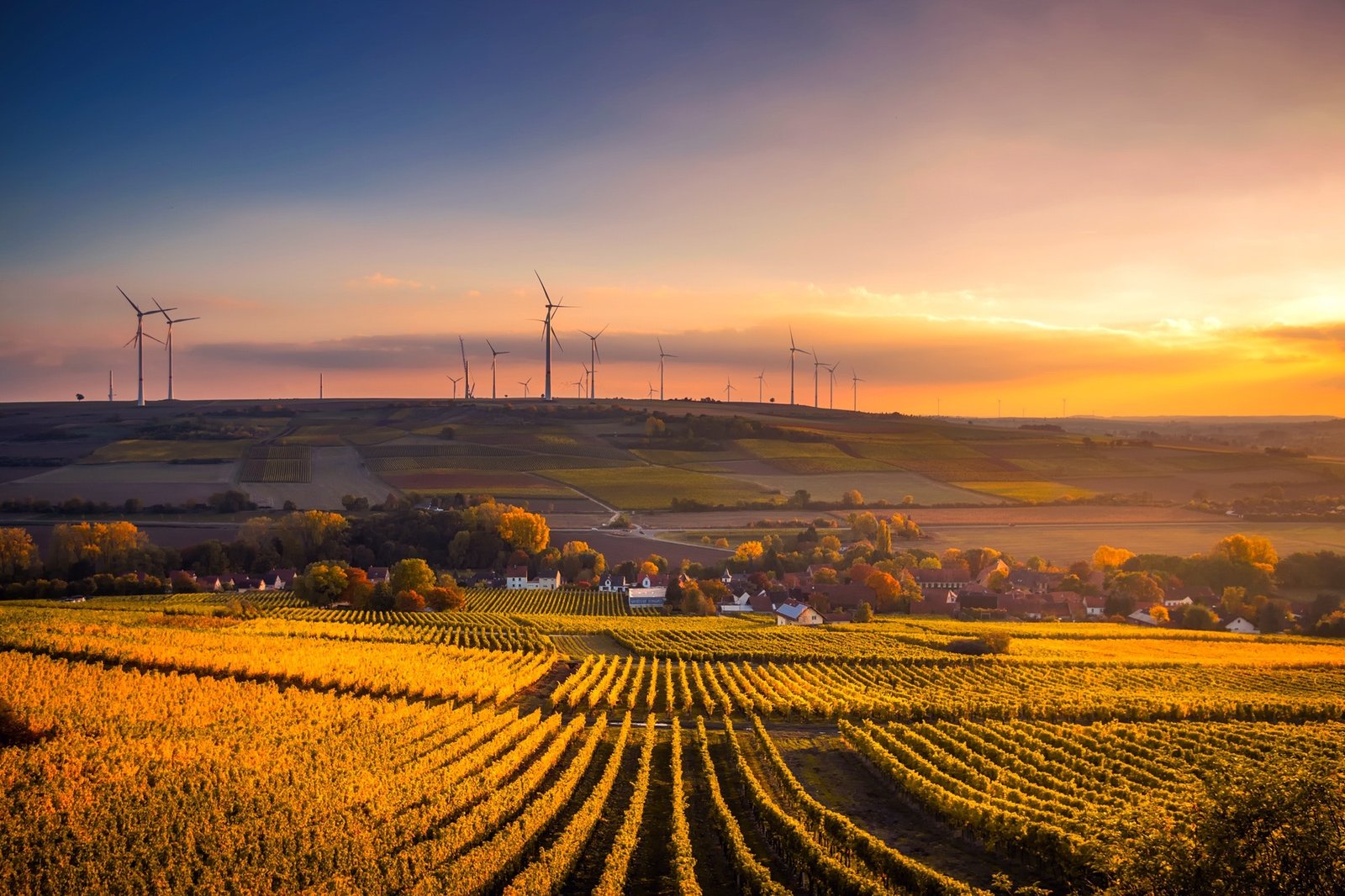
Introduction: With limited arable land and a growing global population, the importance of sustainable agriculture has never been more evident. As traditional farming methods struggle to meet the increasing demand for food, innovative solutions are emerging worldwide. One such solution is vertical farming, a revolutionary approach that allows crops to be grown in vertically-stacked layers, often indoors and without soil. In this blog post, we delve into the concept of vertical farming and explore its potential impact on agriculture in Cyprus. Understanding Vertical Farming: Vertical farming utilizes advanced technologies and techniques to cultivate crops in vertically stacked layers, incorporating artificial lighting and controlled environmental conditions. This method maximizes the use of available space, making it possible to grow crops in urban areas or locations with limited land. Additionally, vertical farming minimizes the need for pesticides and reduces water usage, making it a highly sustainable alternative to traditional farming. Advantages of Vertical Farming in Cyprus: 1. Overcoming Limited Land Availability: Cyprus, known for its limited arable land, can greatly benefit from vertical farming. By utilizing vertical structures, more crops can be grown per square meter, increasing overall productivity without needing extensive farmlands. 2. Conserving Water Resources: Water scarcity is a significant challenge in Cyprus. Vertical farming employs hydroponic or aeroponic systems, which use significantly less water compared to traditional farming methods that rely heavily on irrigation. This reduced water usage makes vertical farming a game-changer for a country like Cyprus, where water conservation is crucial. 3. Minimizing Environmental Impact: Traditional agriculture often involves clearing forests and natural ecosystems for farming purposes. Vertical farming, on the other hand, can be implemented in urban and indoor environments, minimizing the need for deforestation. It also eliminates the use of harmful pesticides, reducing soil and water pollution. 4. Year-round Growing Capability: In Cyprus, extreme summer temperatures can affect crop growth and yield. Vertical farming can provide a controlled environment with optimal temperature, humidity, and lighting conditions, allowing for year-round crop cultivation, regardless of external weather conditions. Promoting Local Food Production and Food Security: Vertical farming has the potential to enhance local food production and improve food security in Cyprus. With the ability to grow crops locally, vertical farming reduces the dependency on imported food, providing fresher produce and reducing transportation costs. It also helps in maintaining a stable food supply chain, especially during times of global crises and disruptions. Conclusion: Cyprus is at the forefront of embracing innovative agricultural practices, and vertical farming holds great promise for the nation. With its potential to optimize land use, conserve water resources, minimize environmental impact, and enhance food security, vertical farming can revolutionize Cyprus' agricultural sector. By investing in this sustainable and forward-thinking approach, Cyprus can not only meet its domestic food demands but also become a leader in utilizing advanced farming technologies. The future of agriculture in Cyprus is ripe with potential, thanks to the vertical farming revolution. Get more at http://www.cyprusinsider.com
Leave a Comment:
SEARCH
Recent News
- Zurich, Switzerland, is renowned for its picturesque landscapes, vibrant culture, and thriving economy. However, thousands of kilometers away in Russia, agriculture plays a crucial role in the country's economy and food production.
- YouTube Content Creation and Translation: Exploring Russian Agriculture
- Russian agriculture has a long and rich history, being one of the leading agricultural producers in the world. From traditional farming practices to modern technology advancements, Russian agriculture has seen significant growth and development over the years. If you are interested in learning more about this fascinating industry, there is a YouTube channel that is dedicated to showcasing the intricacies of Russian agriculture.
- The development of work skills in the Russian agriculture sector is crucial for ensuring a sustainable and efficient industry. With a vast expanse of arable land and a rich history of agricultural traditions, Russia has the potential to become a global powerhouse in food production. However, this potential can only be realized through the continuous improvement and development of the skills of the workforce involved in the sector.
- Empowering Women in Politics to Drive Progress in Russian Agriculture
- **Exploring the Role of Women in Russian Agriculture**
- Russia is a country known for its vast agricultural lands and rich farming traditions. From the fertile soils of the Black Earth region to the unique climate of the Siberian steppes, Russian agriculture plays a crucial role in feeding the nation and contributing to the global food supply.
- Russian Agriculture: A Growing Industry with Technological Advances
READ MORE
10 months ago Category : xfarming

Zurich, Switzerland, is renowned for its picturesque landscapes, vibrant culture, and thriving economy. However, thousands of kilometers away in Russia, agriculture plays a crucial role in the country's economy and food production.
Read More →10 months ago Category : xfarming

YouTube Content Creation and Translation: Exploring Russian Agriculture
Read More →10 months ago Category : xfarming

Russian agriculture has a long and rich history, being one of the leading agricultural producers in the world. From traditional farming practices to modern technology advancements, Russian agriculture has seen significant growth and development over the years. If you are interested in learning more about this fascinating industry, there is a YouTube channel that is dedicated to showcasing the intricacies of Russian agriculture.
Read More →10 months ago Category : xfarming
