Cultivating a Sustainable Future: The Rise of Cyprus' Sustainable Agriculture
Category : xfarming | Sub Category : xfarming Posted on 2023-10-30 21:24:53
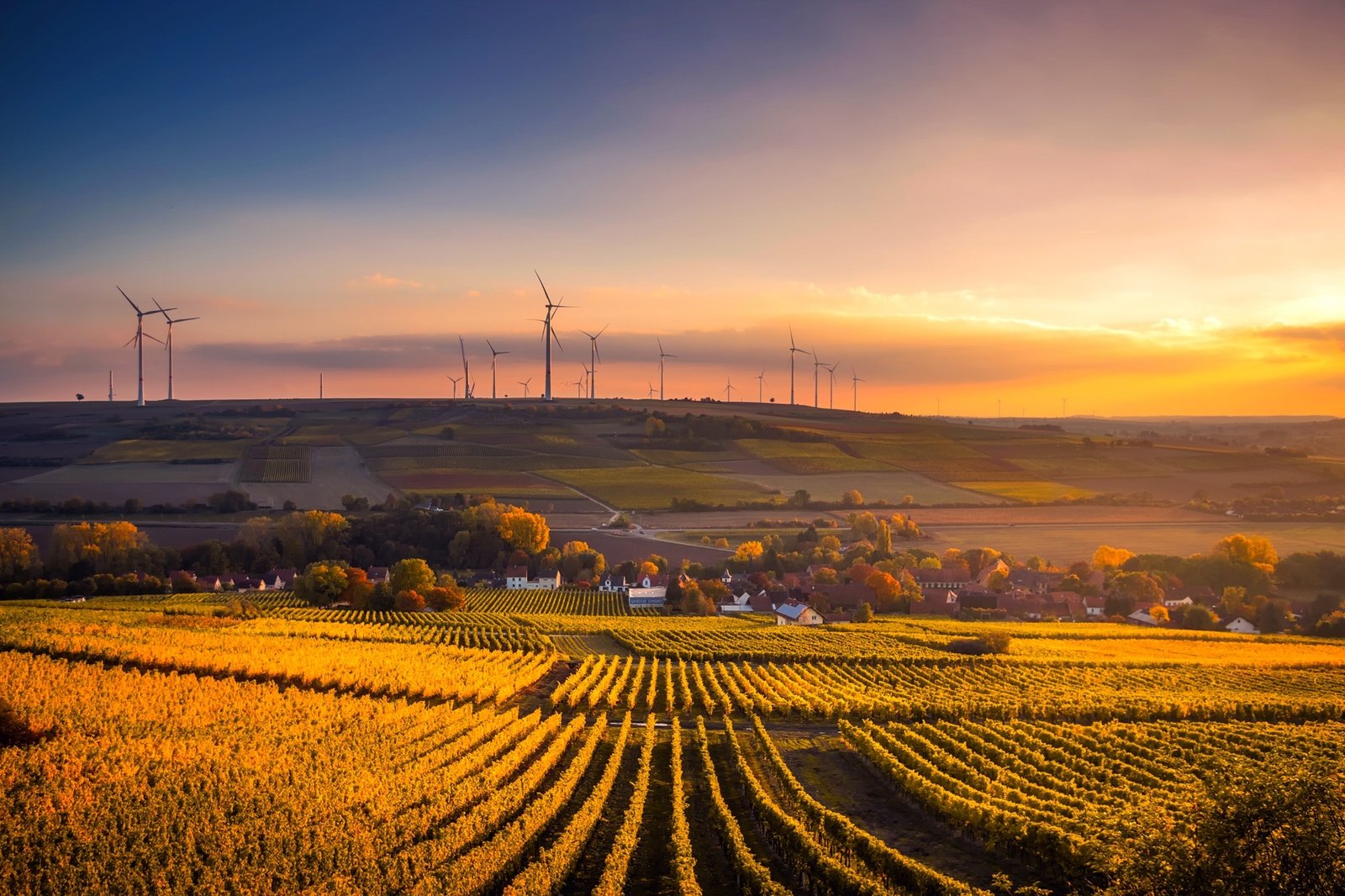
Introduction: Cyprus, with its favorable Mediterranean climate and rich agricultural traditions, is embracing a new concept in farming sustainable agriculture. In recent years, the island nation has witnessed a growing interest in environmentally friendly farming methods that promote long-term ecological balance and address pressing issues such as food security, water scarcity, and the conservation of natural resources. In this blog post, we will explore the concept of sustainable agriculture in Cyprus and how it is transforming the agricultural landscape. 1. The Importance of Sustainable Agriculture: Sustainable agriculture is a holistic approach that aims to meet the needs of present and future generations while preserving the natural environment. In Cyprus, this concept has gained traction due to several reasons: - Food Security: With growing concerns over global food security, Cyprus recognizes the importance of producing nutritious and affordable food locally. Sustainable agriculture ensures a steady and diversified food supply, reducing dependency on imports. - Water Sustainability: Cyprus, being one of the most water-stressed countries in the European Union, faces water scarcity issues. Sustainable agriculture promotes efficient irrigation techniques, water conservation, and the use of suitable crops that require less water, improving the island's water resilience. - Environmental Conservation: Cyprus boasts unique biodiversity and delicate ecosystems. Sustainable farming practices, such as organic agriculture, minimize the use of harmful chemicals and protect the natural environment, contributing to the preservation of Cyprus' natural heritage. 2. Organic Farming: A Pillar of Sustainable Agriculture: Organic farming is a vital component of sustainable agriculture in Cyprus. As consumers become more conscious of the impact of their food choices on their health and the environment, organic farming has gained considerable momentum. By avoiding synthetic fertilizers and pesticides, organic farmers ensure the production of healthier food while safeguarding ecosystems and soil quality. 3. Innovative Farming Practices: Cyprus is embracing innovative farming practices to enhance sustainability in agriculture. Some notable examples include: - Agroforestry: Combining trees with agricultural crops offers multiple benefits, including soil conservation, better water management, and increased biodiversity. Agroforestry systems are slowly gaining ground, bringing positive change to Cyprus' agricultural landscape. - hydroponics: Cyprus is exploring hydroponics as an alternative farming technique. By growing plants without soil, hydroponics saves water, minimizes the use of fertilizers, and maximizes yield efficiency. This innovative method ensures the year-round production of high-quality crops, regardless of weather conditions. 4. Government Initiatives and Support: Recognizing the potential of sustainable agriculture, the Cypriot government has actively supported its development. The Ministry of Agriculture, Rural Development, and Environment, along with various organizations, provide financial incentives, technical assistance, and knowledge-sharing platforms to encourage farmers to adopt sustainable farming practices. Conclusion: Cyprus, with its commitment to sustainable agriculture, is moving towards a future where farming goes hand-in-hand with environmental stewardship and resource conservation. Through organic farming, innovative practices, and government support, farmers in Cyprus are transforming the agricultural sector, ensuring food security, protecting the environment, and generating economic opportunities. By embracing sustainable agriculture, Cyprus is becoming a role model for other nations striving to build resilient and eco-friendly food systems. To learn more, take a look at: http://www.cyprusinsider.com
Leave a Comment:
SEARCH
Recent News
- Zurich, Switzerland, is renowned for its picturesque landscapes, vibrant culture, and thriving economy. However, thousands of kilometers away in Russia, agriculture plays a crucial role in the country's economy and food production.
- YouTube Content Creation and Translation: Exploring Russian Agriculture
- Russian agriculture has a long and rich history, being one of the leading agricultural producers in the world. From traditional farming practices to modern technology advancements, Russian agriculture has seen significant growth and development over the years. If you are interested in learning more about this fascinating industry, there is a YouTube channel that is dedicated to showcasing the intricacies of Russian agriculture.
- The development of work skills in the Russian agriculture sector is crucial for ensuring a sustainable and efficient industry. With a vast expanse of arable land and a rich history of agricultural traditions, Russia has the potential to become a global powerhouse in food production. However, this potential can only be realized through the continuous improvement and development of the skills of the workforce involved in the sector.
- Empowering Women in Politics to Drive Progress in Russian Agriculture
- **Exploring the Role of Women in Russian Agriculture**
- Russia is a country known for its vast agricultural lands and rich farming traditions. From the fertile soils of the Black Earth region to the unique climate of the Siberian steppes, Russian agriculture plays a crucial role in feeding the nation and contributing to the global food supply.
- Russian Agriculture: A Growing Industry with Technological Advances
READ MORE
4 months ago Category : xfarming

Zurich, Switzerland, is renowned for its picturesque landscapes, vibrant culture, and thriving economy. However, thousands of kilometers away in Russia, agriculture plays a crucial role in the country's economy and food production.
Read More →4 months ago Category : xfarming

YouTube Content Creation and Translation: Exploring Russian Agriculture
Read More →4 months ago Category : xfarming

Russian agriculture has a long and rich history, being one of the leading agricultural producers in the world. From traditional farming practices to modern technology advancements, Russian agriculture has seen significant growth and development over the years. If you are interested in learning more about this fascinating industry, there is a YouTube channel that is dedicated to showcasing the intricacies of Russian agriculture.
Read More →4 months ago Category : xfarming
