Uniting Cultures Through Urban Farming: A Recipe for Sustainable Communities
Category : xfarming | Sub Category : xfarming Posted on 2023-10-30 21:24:53
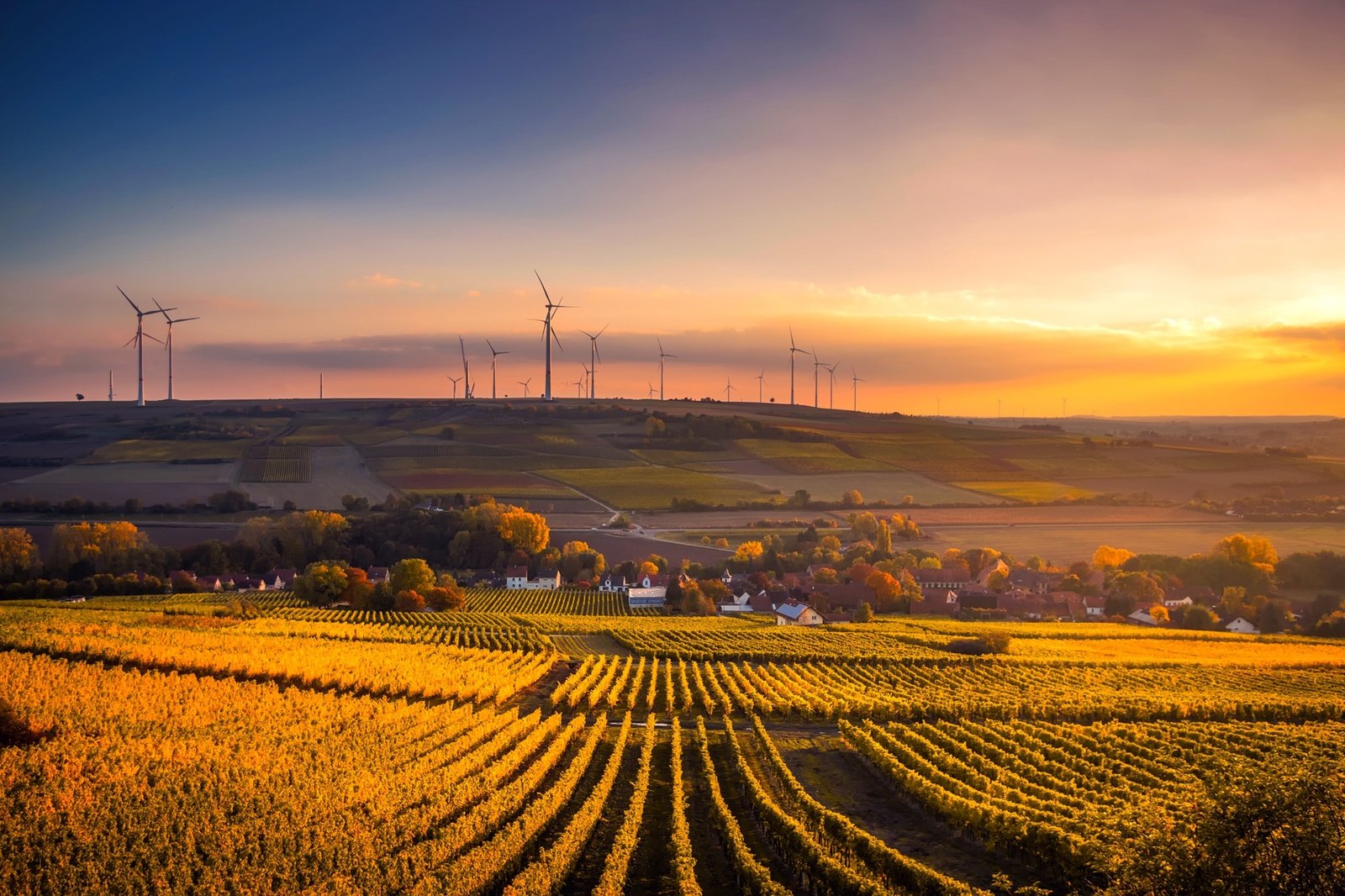
Introduction: In recent years, urban farming has emerged as a powerful tool for promoting sustainable communities, food security, and cultural unity. As our world becomes more urbanized, and our food systems face increasing challenges, communities around the globe are finding creative ways to cultivate crops within city limits. This unique blend of agriculture, sustainability, and cultural exchange is transforming the way we think about food production and redefining the relationship between urban dwellers and their surroundings. Let's explore how urban farming can bridge cultures, foster social connections, and create a more sustainable future. 1. Embracing Cultural Diversity: Urban farming provides a shared platform where cultures can come together, exchange farming techniques, and celebrate their diverse culinary traditions. Communities are breaking down cultural barriers as they cultivate traditional crops from different countries, sharing their knowledge, and fostering a enriching environment for cultural exchange. Imagine a community garden filled with people from various backgrounds, each tending to their familiar crops like tomatoes, basil, and chilies. Beyond the joy of growing their own food, this shared experience enables individuals to bond over their cultural similarities and differences, creating a sense of unity and understanding. 2. Food Security and Resilience: Urban farming plays a crucial role in addressing the issue of food security in densely populated areas. By utilizing underutilized spaces such as rooftops, balconies, and abandoned lots, urban farms can bring fresh, healthy produce to urban dwellers, reducing their reliance on grocery stores and ensuring their access to nutritious food. Furthermore, urban farming promotes resilience in the face of climate change and other disruptions to the global food supply chain. By cultivating crops locally, urban farmers are less vulnerable to the adverse impacts of natural disasters, transportation disruptions, and rising food prices. This resilience fosters self-sufficiency, empowers communities, and reduces environmental impact. 3. Environmental Benefits: The environmental impact of urban farming extends far beyond local food production. By converting unused spaces into green havens, urban farming contributes to cooling urban environments, mitigating the urban heat island effect, and improving air quality. Rooftop gardens and vertical farming also utilize space more efficiently, preserving valuable land for other purposes. Moreover, urban farming often incorporates sustainable practices such as composting, rainwater harvesting, and organic pest management. These eco-friendly methods reduce the reliance on chemical fertilizers and pesticides, promoting biodiversity and building healthier ecosystems within our cities. 4. Educating Future Generations: Urban farming provides an innovative platform for education, inspiring the next generation to become conscious, sustainable consumers and caretakers of the environment. Schools, community centers, and local organizations can implement urban farming programs to engage children in hands-on learning experiences, teaching them about the importance of nutritious food, environmental stewardship, and the value of cultural diversity. Conclusion: Urban farming offers a transformative pathway to build sustainable communities that celebrate cultural diversity and promote social cohesion. By reclaiming unused spaces and repurposing them for agricultural purposes, urban farmers are reconnecting city-dwellers with the food they consume while fostering intercultural exchange and resilience in the face of global challenges. As we continue to urbanize, it is crucial to recognize the potential of urban farming as a unifying force, capable of nourishing both our bodies and minds. By embracing this model of agriculture, we can create a more sustainable and inclusive future where cultural barriers are broken, communities thrive, and the environment flourishes. also for more http://www.culturepolitics.com Take a deep dive into this topic by checking: http://www.mimidate.com
Leave a Comment:
SEARCH
Recent News
- Zurich, Switzerland, is renowned for its picturesque landscapes, vibrant culture, and thriving economy. However, thousands of kilometers away in Russia, agriculture plays a crucial role in the country's economy and food production.
- YouTube Content Creation and Translation: Exploring Russian Agriculture
- Russian agriculture has a long and rich history, being one of the leading agricultural producers in the world. From traditional farming practices to modern technology advancements, Russian agriculture has seen significant growth and development over the years. If you are interested in learning more about this fascinating industry, there is a YouTube channel that is dedicated to showcasing the intricacies of Russian agriculture.
- The development of work skills in the Russian agriculture sector is crucial for ensuring a sustainable and efficient industry. With a vast expanse of arable land and a rich history of agricultural traditions, Russia has the potential to become a global powerhouse in food production. However, this potential can only be realized through the continuous improvement and development of the skills of the workforce involved in the sector.
- Empowering Women in Politics to Drive Progress in Russian Agriculture
- **Exploring the Role of Women in Russian Agriculture**
- Russia is a country known for its vast agricultural lands and rich farming traditions. From the fertile soils of the Black Earth region to the unique climate of the Siberian steppes, Russian agriculture plays a crucial role in feeding the nation and contributing to the global food supply.
- Russian Agriculture: A Growing Industry with Technological Advances
READ MORE
4 months ago Category : xfarming

Zurich, Switzerland, is renowned for its picturesque landscapes, vibrant culture, and thriving economy. However, thousands of kilometers away in Russia, agriculture plays a crucial role in the country's economy and food production.
Read More →4 months ago Category : xfarming

YouTube Content Creation and Translation: Exploring Russian Agriculture
Read More →4 months ago Category : xfarming

Russian agriculture has a long and rich history, being one of the leading agricultural producers in the world. From traditional farming practices to modern technology advancements, Russian agriculture has seen significant growth and development over the years. If you are interested in learning more about this fascinating industry, there is a YouTube channel that is dedicated to showcasing the intricacies of Russian agriculture.
Read More →4 months ago Category : xfarming
