The Evolution of Agricultural Technology and its Impact on Cultures
Category : xfarming | Sub Category : xfarming Posted on 2023-10-30 21:24:53
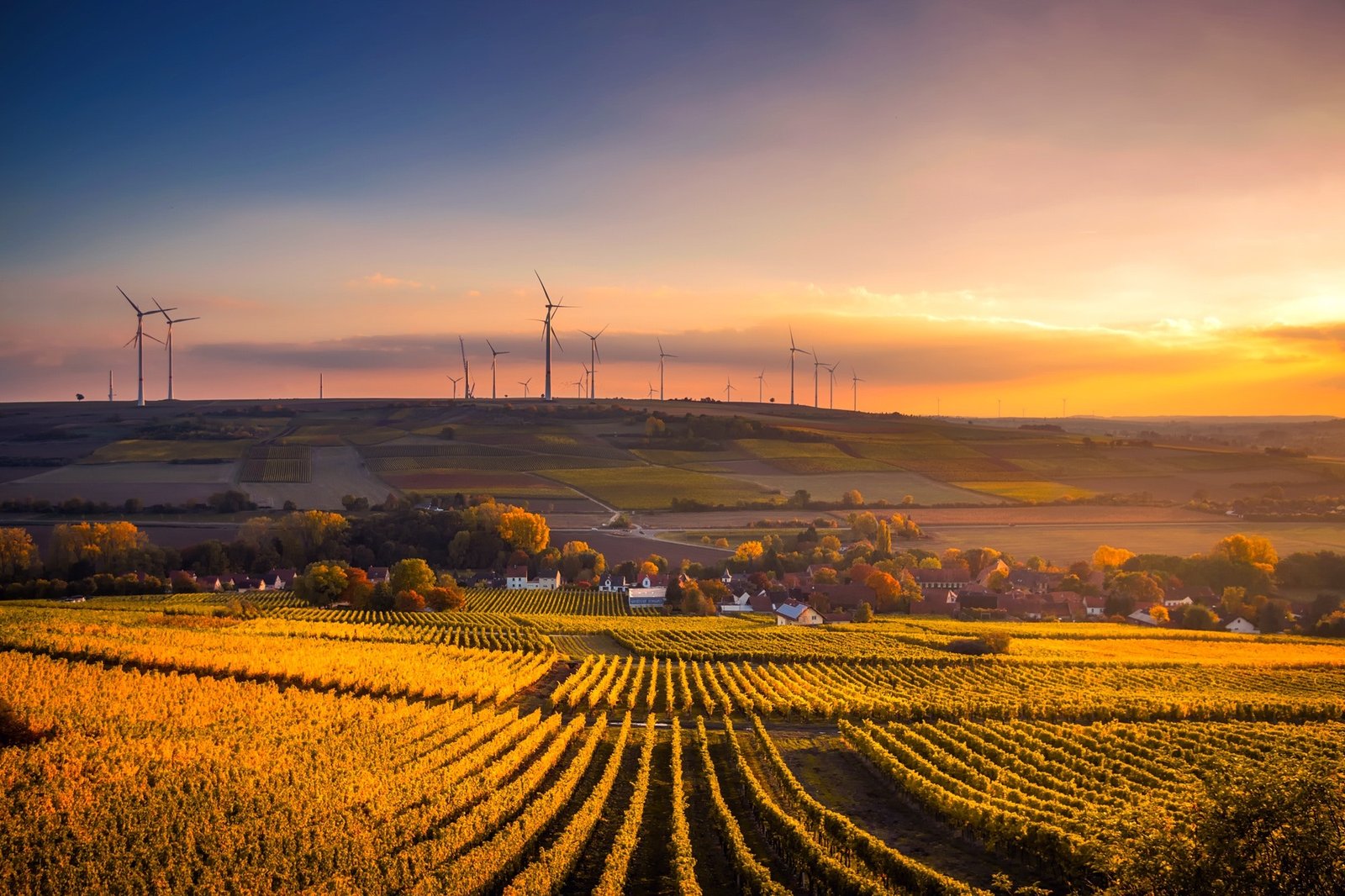
Introduction: Over the course of centuries, agriculture has played a crucial role in shaping the diverse cultures we see around the world today. From ancient farming techniques to modern advancements in agricultural technology, the relationship between culture and farming has undergone significant transformations. In this blog post, we will explore the role of agricultural technology in different cultures and the impact it has had on their development. 1. Ancient Agricultural Techniques: In ancient cultures, farming methods were often labor-intensive and relied on manual labor and traditional knowledge. Techniques such as slash-and-burn agriculture, terrace farming, and irrigation systems were developed to meet the needs of growing populations. These techniques not only ensured food security but also had a profound influence on cultural practices, shaping societies' social structures, and belief systems. 2. The Green Revolution: The mid-20th century witnessed a revolutionary change in agricultural practices with the advent of modern agricultural technology. The Green Revolution, characterized by the development and use of high-yielding crop varieties, mechanization, and modern irrigation techniques, transformed farming around the world. Cultures that embraced these advancements experienced increased crop production, improved food security, and economic growth. However, this shift also led to the loss of traditional farming practices, cultural identity, and the displacement of rural communities. 3. Precision Agriculture and Digitalization: In recent years, technological advancements have once again revolutionized agriculture. Precision agriculture, which utilizes satellite imagery, drones, and sensors, has significantly enhanced farmers' ability to monitor crops, conserve resources, and increase yields. Cultures that have adopted precision agriculture have seen increased efficiency, reduced environmental impact, and improved livelihoods for farmers. However, the digital divide has resulted in unequal access to these technologies, potentially widening the gap between cultures already burdened by economic disparities. 4. Sustainable Farming and Cultural Preservation: As concerns about climate change and environmental sustainability grow, there is a renewed focus on developing farming techniques that minimize the negative impact on the environment. Cultures around the world are embracing practices like organic farming, permaculture, and agroforestry to promote ecological balance and preserve cultural heritage. These sustainable farming practices not only maintain traditional knowledge and cultural practices but also foster resilience and adaptation to a changing climate. Conclusion: Agricultural technology has undoubtedly played a significant role in shaping cultures and their practices. From ancient agricultural methods to modern advancements like precision agriculture, the relationship between technology and culture has evolved over time. While advancements in agriculture have led to increased food production and economic development, it is essential to strike a balance between embracing these technologies and preserving cultural heritage. By embracing sustainable farming practices, cultures can ensure the preservation of their traditions while adapting to the demands of a rapidly changing world. For more information: http://www.culturepolitics.com To get a different viewpoint, consider: http://www.mimidate.com
Leave a Comment:
SEARCH
Recent News
- Zurich, Switzerland, is renowned for its picturesque landscapes, vibrant culture, and thriving economy. However, thousands of kilometers away in Russia, agriculture plays a crucial role in the country's economy and food production.
- YouTube Content Creation and Translation: Exploring Russian Agriculture
- Russian agriculture has a long and rich history, being one of the leading agricultural producers in the world. From traditional farming practices to modern technology advancements, Russian agriculture has seen significant growth and development over the years. If you are interested in learning more about this fascinating industry, there is a YouTube channel that is dedicated to showcasing the intricacies of Russian agriculture.
- The development of work skills in the Russian agriculture sector is crucial for ensuring a sustainable and efficient industry. With a vast expanse of arable land and a rich history of agricultural traditions, Russia has the potential to become a global powerhouse in food production. However, this potential can only be realized through the continuous improvement and development of the skills of the workforce involved in the sector.
- Empowering Women in Politics to Drive Progress in Russian Agriculture
- **Exploring the Role of Women in Russian Agriculture**
- Russia is a country known for its vast agricultural lands and rich farming traditions. From the fertile soils of the Black Earth region to the unique climate of the Siberian steppes, Russian agriculture plays a crucial role in feeding the nation and contributing to the global food supply.
- Russian Agriculture: A Growing Industry with Technological Advances
READ MORE
4 months ago Category : xfarming

Zurich, Switzerland, is renowned for its picturesque landscapes, vibrant culture, and thriving economy. However, thousands of kilometers away in Russia, agriculture plays a crucial role in the country's economy and food production.
Read More →4 months ago Category : xfarming

YouTube Content Creation and Translation: Exploring Russian Agriculture
Read More →4 months ago Category : xfarming

Russian agriculture has a long and rich history, being one of the leading agricultural producers in the world. From traditional farming practices to modern technology advancements, Russian agriculture has seen significant growth and development over the years. If you are interested in learning more about this fascinating industry, there is a YouTube channel that is dedicated to showcasing the intricacies of Russian agriculture.
Read More →4 months ago Category : xfarming
