The Role of Cows in Sustainable Agriculture: A Partnership for a Greener Future
Category : xfarming | Sub Category : xfarming Posted on 2023-10-30 21:24:53
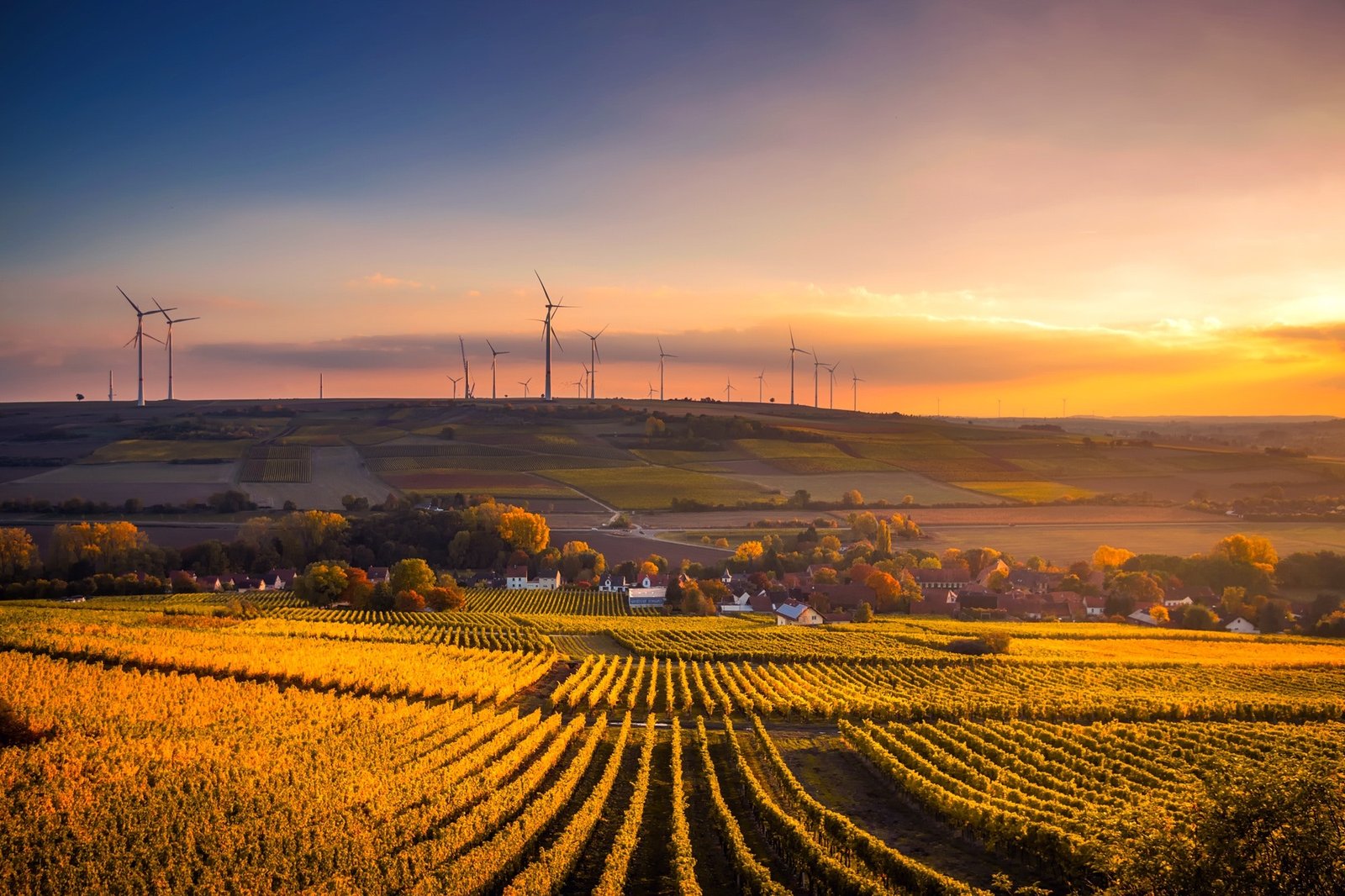
Introduction: Sustainable agriculture is the practice of producing food in an environmentally and economically viable way. It seeks to minimize negative impacts on the environment while promoting the long-term health and productivity of the land. Among the various components of sustainable agriculture, cows play a crucial role in fostering a greener future. In this blog post, we will explore how cows and sustainable agriculture go hand in hand. 1. Regenerative Grazing: Cows are natural grazers, and their ability to convert grass and other plants into nutrient-rich milk and meat has made them essential for sustainable agriculture. Regenerative grazing practices involve rotating cows on pastures, allowing plants to recover while redistributing natural nutrients through their manure. This process not only enhances soil fertility but also sequesters carbon from the atmosphere, contributing to climate change mitigation. 2. Nutrient Cycling: Through their unique digestive system, cows can efficiently convert plant biomass, which humans cannot digest, into high-quality protein and essential nutrients. When managed properly, cow manure can be a valuable source of organic fertilizers rich in nitrogen and phosphorus. These nutrients are essential for the healthy growth of crops, reducing the reliance on synthetic fertilizers that can harm soil health and water quality. 3. Soil Health: Cows play a vital role in maintaining healthy soils. When cows graze, they trample and stimulate the soil, increasing microbial activity and organic matter content. This helps improve soil structure and water-holding capacity, reducing erosion risks and enhancing the overall resilience of the ecosystem. Additionally, the trampling action of cows can break up compacted soil layers, allowing better root penetration and nutrient absorption by plants. 4. Biodiversity conservation: Pasture-based livestock systems, including cattle grazing, offer significant opportunities for conserving biodiversity. Cows' grazing behavior helps maintain diverse plant species by preventing the dominance of certain plants and promoting the establishment of different habitats. By managing pastures for cattle, farmers can support a variety of plants, insects, birds, and small mammals, thereby preserving biodiversity within their agricultural landscapes. 5. Local and Sustainable Food Production: Cows are a vital component in the production of local and sustainable food. Pasture-based systems allow for the production of high-quality milk, meat, and dairy products that are free from synthetic hormones, antibiotics, and confined feeding practices. Supporting local farmers who prioritize sustainable practices not only strengthens local economies but also reduces the carbon footprint associated with long-distance food transportation. Conclusion: Cows play a significant role in sustainable agriculture, contributing to the conservation of biodiversity, nutrient cycling, soil health, and regenerative grazing practices. By embracing a holistic approach that integrates cows into well-managed pasture systems, farmers can reduce reliance on synthetic inputs, mitigate climate change, and promote a healthier environment. As consumers, we also play a crucial role by supporting local and sustainable food systems that prioritize the welfare of both cows and the planet. Together, we can create a greener future through the partnership between cows and sustainable agriculture. For a fresh perspective, give the following a read http://www.vacas.net
Leave a Comment:
SEARCH
Recent News
- Zurich, Switzerland, is renowned for its picturesque landscapes, vibrant culture, and thriving economy. However, thousands of kilometers away in Russia, agriculture plays a crucial role in the country's economy and food production.
- YouTube Content Creation and Translation: Exploring Russian Agriculture
- Russian agriculture has a long and rich history, being one of the leading agricultural producers in the world. From traditional farming practices to modern technology advancements, Russian agriculture has seen significant growth and development over the years. If you are interested in learning more about this fascinating industry, there is a YouTube channel that is dedicated to showcasing the intricacies of Russian agriculture.
- The development of work skills in the Russian agriculture sector is crucial for ensuring a sustainable and efficient industry. With a vast expanse of arable land and a rich history of agricultural traditions, Russia has the potential to become a global powerhouse in food production. However, this potential can only be realized through the continuous improvement and development of the skills of the workforce involved in the sector.
- Empowering Women in Politics to Drive Progress in Russian Agriculture
- **Exploring the Role of Women in Russian Agriculture**
- Russia is a country known for its vast agricultural lands and rich farming traditions. From the fertile soils of the Black Earth region to the unique climate of the Siberian steppes, Russian agriculture plays a crucial role in feeding the nation and contributing to the global food supply.
- Russian Agriculture: A Growing Industry with Technological Advances
READ MORE
10 months ago Category : xfarming

Zurich, Switzerland, is renowned for its picturesque landscapes, vibrant culture, and thriving economy. However, thousands of kilometers away in Russia, agriculture plays a crucial role in the country's economy and food production.
Read More →10 months ago Category : xfarming

YouTube Content Creation and Translation: Exploring Russian Agriculture
Read More →10 months ago Category : xfarming

Russian agriculture has a long and rich history, being one of the leading agricultural producers in the world. From traditional farming practices to modern technology advancements, Russian agriculture has seen significant growth and development over the years. If you are interested in learning more about this fascinating industry, there is a YouTube channel that is dedicated to showcasing the intricacies of Russian agriculture.
Read More →10 months ago Category : xfarming
