The Unsung Heroes of Soil Health: How Cows Contribute to Sustainable Farming
Category : xfarming | Sub Category : xfarming Posted on 2023-10-30 21:24:53
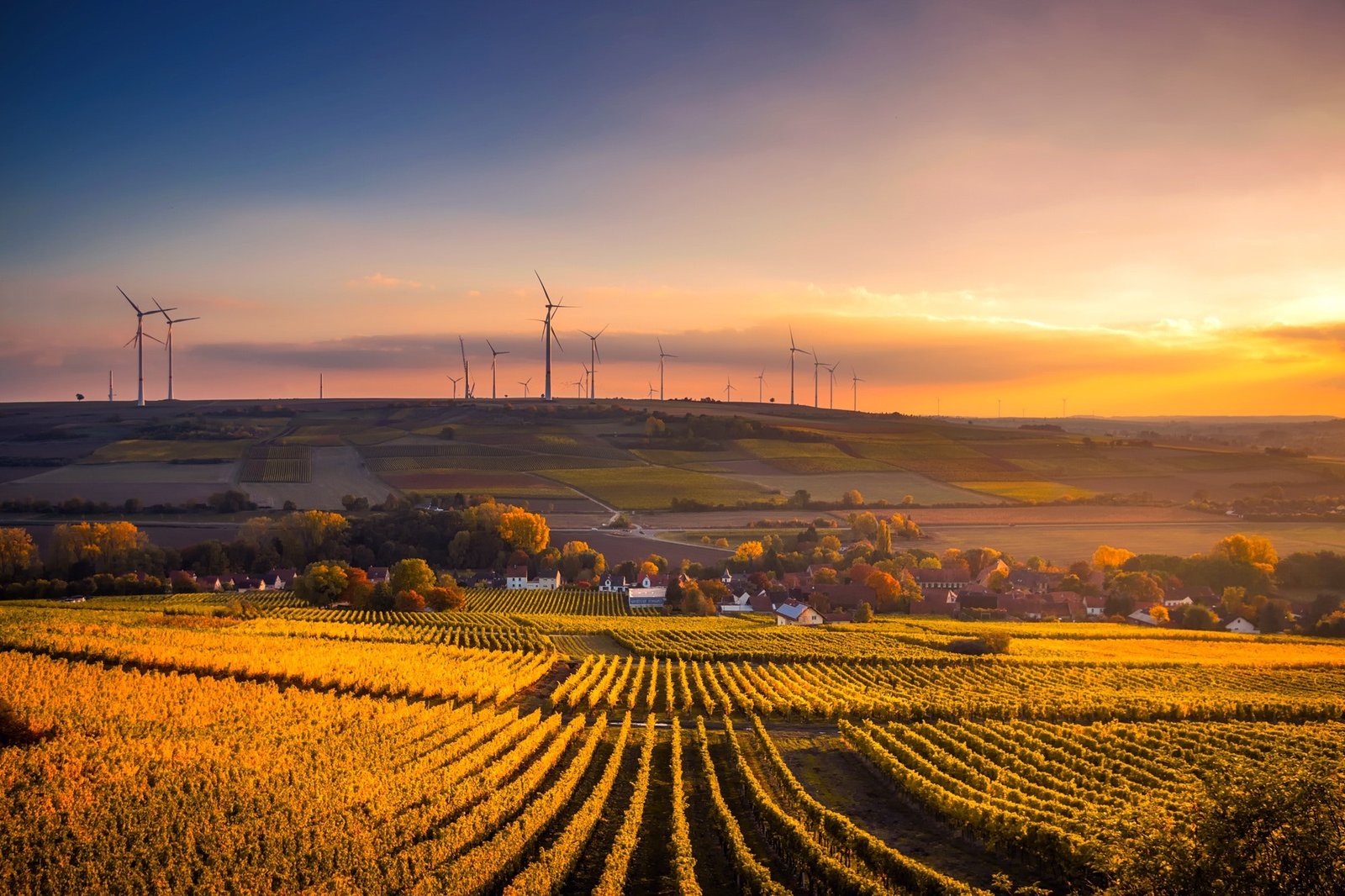
Introduction: When we think of cows, we often picture peaceful animals grazing in picturesque green pastures. Aside from being providers of wholesome milk and juicy beef, cows play a crucial role in improving soil health and promoting sustainable farming practices. In this blog post, we will explore the remarkable contributions of cows to enhancing soil fertility and the overall health of our farmlands. 1. Nutrient Cycling: Cows are essential players in the intricate cycle of nutrient exchange in the farming ecosystem. As they graze on grass, their digestive systems break down the cellulose in plants, releasing valuable nutrients such as nitrogen, phosphorus, and potassium in their manure. These nutrients act as natural fertilizers, enriching the soil and promoting optimal plant growth. 2. Natural Soil Aeration: The hooves of cows have a unique ability to aerate the soil as they roam and graze. The pressure exerted by their weight helps to break up compacted soil, allowing air, water, and nutrients to penetrate deeper into the ground. This process improves soil structure and enhances its ability to retain moisture, reducing the risk of erosion and water runoff. 3. Stimulating Microbial Activity: The presence of cows on grazing lands stimulates microbial activity in the soil, creating a thriving environment for beneficial bacteria and fungi. These microorganisms play a crucial role in decomposing organic matter, enhancing nutrient availability, and suppressing harmful pathogens. The constant addition of cow manure contributes to the organic matter content in the soil, further supporting microbial activity and enriching soil health. 4. Carbon Sequestration: Concerns about climate change have made carbon sequestration a critical component of sustainable agriculture. Cows and other ruminant animals naturally produce methane gas during digestion. However, when managed through regenerative grazing practices, cows can actually aid in carbon sequestration. By increasing plant growth through grazing, cows facilitate greater carbon capture, offsetting their methane emissions and promoting a net carbon sink effect. 5. Crop Rotation and Diversification: Integrating cows into farming systems also allows for crop rotation and diversification. Cows can be used to graze cover crops, break pest cycles, and add organic matter to fields before planting cash crops. This practice helps to reduce the reliance on synthetic fertilizers and pesticides, enhances soil fertility, and minimizes the risks of soil erosion and nutrient depletion. Conclusion: Cows are not just a charming presence on farmland; they are essential partners in promoting soil health and sustainable farming practices. Their contribution to nutrient cycling, natural soil aeration, microbial activity, carbon sequestration, and crop rotation highlights their invaluable role in nurturing the health and productivity of our soils. As we strive for a more sustainable agricultural future, let us not forget to celebrate the humble cow as an unsung hero of soil health. Explore this subject further by checking out http://www.doctorregister.com For more information: http://www.tinyfed.com You can find more about this subject in http://www.natclar.com To gain a holistic understanding, refer to http://www.vacas.net
Leave a Comment:
SEARCH
Recent News
- Zurich, Switzerland, is renowned for its picturesque landscapes, vibrant culture, and thriving economy. However, thousands of kilometers away in Russia, agriculture plays a crucial role in the country's economy and food production.
- YouTube Content Creation and Translation: Exploring Russian Agriculture
- Russian agriculture has a long and rich history, being one of the leading agricultural producers in the world. From traditional farming practices to modern technology advancements, Russian agriculture has seen significant growth and development over the years. If you are interested in learning more about this fascinating industry, there is a YouTube channel that is dedicated to showcasing the intricacies of Russian agriculture.
- The development of work skills in the Russian agriculture sector is crucial for ensuring a sustainable and efficient industry. With a vast expanse of arable land and a rich history of agricultural traditions, Russia has the potential to become a global powerhouse in food production. However, this potential can only be realized through the continuous improvement and development of the skills of the workforce involved in the sector.
- Empowering Women in Politics to Drive Progress in Russian Agriculture
- **Exploring the Role of Women in Russian Agriculture**
- Russia is a country known for its vast agricultural lands and rich farming traditions. From the fertile soils of the Black Earth region to the unique climate of the Siberian steppes, Russian agriculture plays a crucial role in feeding the nation and contributing to the global food supply.
- Russian Agriculture: A Growing Industry with Technological Advances
READ MORE
10 months ago Category : xfarming

Zurich, Switzerland, is renowned for its picturesque landscapes, vibrant culture, and thriving economy. However, thousands of kilometers away in Russia, agriculture plays a crucial role in the country's economy and food production.
Read More →10 months ago Category : xfarming

YouTube Content Creation and Translation: Exploring Russian Agriculture
Read More →10 months ago Category : xfarming

Russian agriculture has a long and rich history, being one of the leading agricultural producers in the world. From traditional farming practices to modern technology advancements, Russian agriculture has seen significant growth and development over the years. If you are interested in learning more about this fascinating industry, there is a YouTube channel that is dedicated to showcasing the intricacies of Russian agriculture.
Read More →10 months ago Category : xfarming
