The Rise of Smart Farming: How Cows Benefit from Cutting-Edge Technology
Category : xfarming | Sub Category : xfarming Posted on 2023-10-30 21:24:53
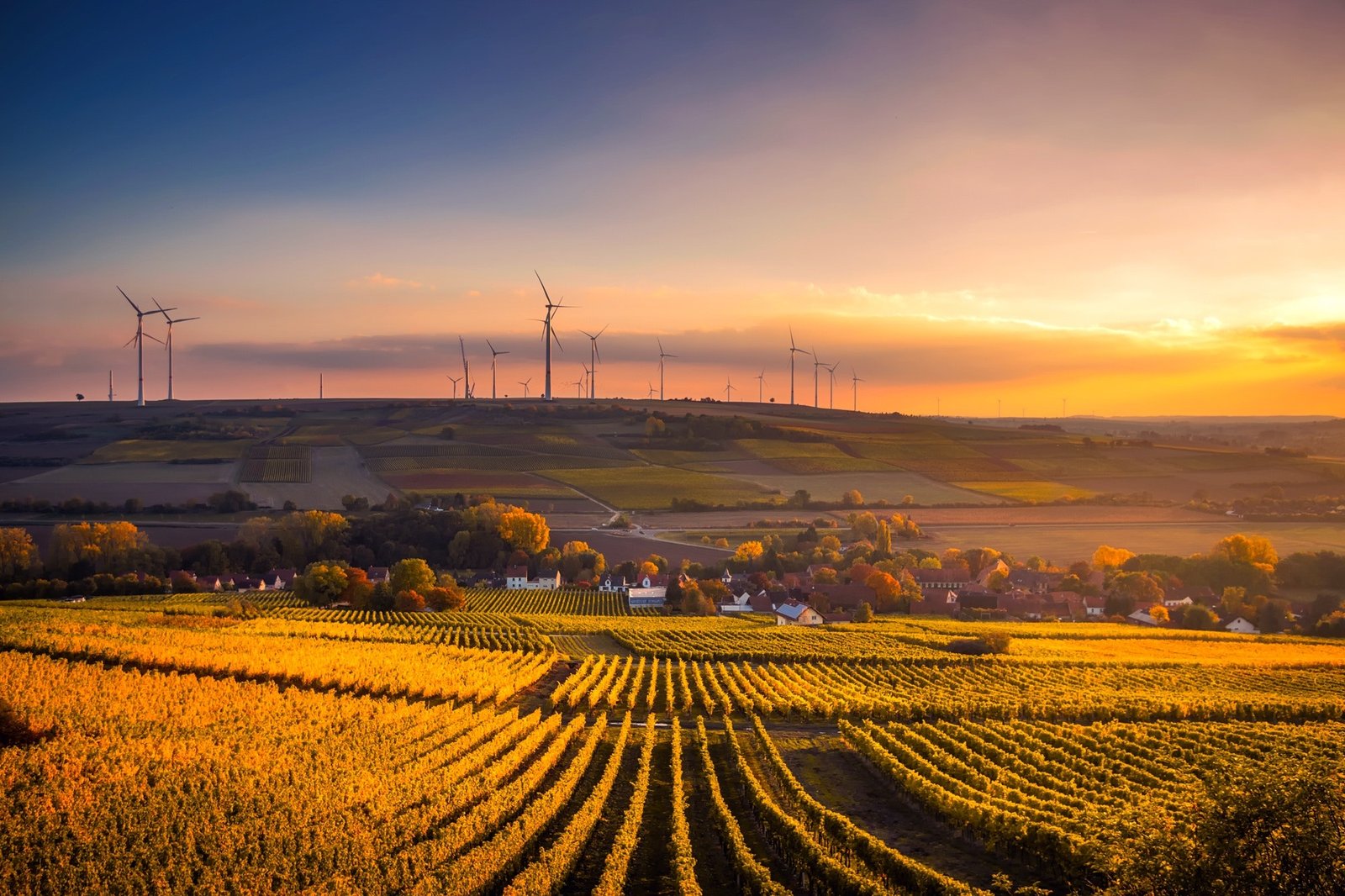
Introduction: Gone are the days when farming solely relied on manual labor and a farmer's instinct. With advancements in technology, the agricultural industry has witnessed a remarkable transformation. Smart farming has become the new norm, revolutionizing the way farmers interact with their livestock and crops. In this blog post, we will dive into the realm of smart farming and explore how cows, in particular, are reaping the benefits of these innovative technologies. 1. Precision Livestock Farming: One of the key components of smart farming is Precision Livestock Farming (PLF), which focuses on utilizing technologies to track and monitor the well-being of livestock. PLF enables farmers to collect data on various aspects of a cow's life, including their behavior, health, and grazing patterns. 2. Wearables and Sensor Technology: Wearable devices are making their way into the farming ecosystem, and cows are no exception. Farmers can equip their cows with smart collars, ear tags, and even leg bands, which contain sensors capable of collecting real-time data. For example, these sensors can monitor a cow's body temperature, heart rate, and rumination behavior, helping farmers detect early signs of illness or distress. 3. Automated Feeding and Milking Systems: Smart farming has also brought automated feeding and milking systems to the table. These revolutionary systems ensure that cows receive the right amount of feed and water, tailored to their specific nutritional needs. Likewise, automated milking systems utilize robotic technology to streamline the milking process, reducing labor-intensive tasks and increasing efficiency. 4. GPS Tracking and Geofencing: With the help of GPS tracking technology, farmers can now keep a close eye on their cows' grazing behavior. By setting up virtual boundaries, known as geofencing, farmers can monitor the cows' movements and ensure that they graze in designated areas. This prevents overgrazing and helps maintain the sustainability of the land. 5. Data Analytics and Predictive Models: The abundance of data collected from cows via smart farming technologies opens up new possibilities for analysis and prediction. By analyzing this data using advanced algorithms, farmers can gain valuable insights into their cows' health, reproduction cycles, and milk production. This, in turn, allows them to make informed decisions and take proactive measures to optimize herd management. Conclusion: Smart farming has revolutionized the way farmers interact with their cows, making the entire process more efficient, sustainable, and animal-friendly. Precision Livestock Farming, wearable technology, automated systems, GPS tracking, and data analytics are just a few examples of how this technology has transformed the way cows are managed on farms. As we move towards an increasingly technology-driven society, it is crucial to embrace smart farming practices to ensure the well-being of our livestock. By utilizing these cutting-edge technologies, farmers can not only improve the health and productivity of their cows but also contribute to the overall sustainability of the agricultural industry. Have a look at the following website to get more information http://www.vacas.net
Leave a Comment:
SEARCH
Recent News
- Zurich, Switzerland, is renowned for its picturesque landscapes, vibrant culture, and thriving economy. However, thousands of kilometers away in Russia, agriculture plays a crucial role in the country's economy and food production.
- YouTube Content Creation and Translation: Exploring Russian Agriculture
- Russian agriculture has a long and rich history, being one of the leading agricultural producers in the world. From traditional farming practices to modern technology advancements, Russian agriculture has seen significant growth and development over the years. If you are interested in learning more about this fascinating industry, there is a YouTube channel that is dedicated to showcasing the intricacies of Russian agriculture.
- The development of work skills in the Russian agriculture sector is crucial for ensuring a sustainable and efficient industry. With a vast expanse of arable land and a rich history of agricultural traditions, Russia has the potential to become a global powerhouse in food production. However, this potential can only be realized through the continuous improvement and development of the skills of the workforce involved in the sector.
- Empowering Women in Politics to Drive Progress in Russian Agriculture
- **Exploring the Role of Women in Russian Agriculture**
- Russia is a country known for its vast agricultural lands and rich farming traditions. From the fertile soils of the Black Earth region to the unique climate of the Siberian steppes, Russian agriculture plays a crucial role in feeding the nation and contributing to the global food supply.
- Russian Agriculture: A Growing Industry with Technological Advances
READ MORE
11 months ago Category : xfarming

Zurich, Switzerland, is renowned for its picturesque landscapes, vibrant culture, and thriving economy. However, thousands of kilometers away in Russia, agriculture plays a crucial role in the country's economy and food production.
Read More →11 months ago Category : xfarming

YouTube Content Creation and Translation: Exploring Russian Agriculture
Read More →11 months ago Category : xfarming

Russian agriculture has a long and rich history, being one of the leading agricultural producers in the world. From traditional farming practices to modern technology advancements, Russian agriculture has seen significant growth and development over the years. If you are interested in learning more about this fascinating industry, there is a YouTube channel that is dedicated to showcasing the intricacies of Russian agriculture.
Read More →11 months ago Category : xfarming
