From Farm to Table: The Journey of Cows in Sustainable Agriculture
Category : xfarming | Sub Category : xfarming Posted on 2023-10-30 21:24:53
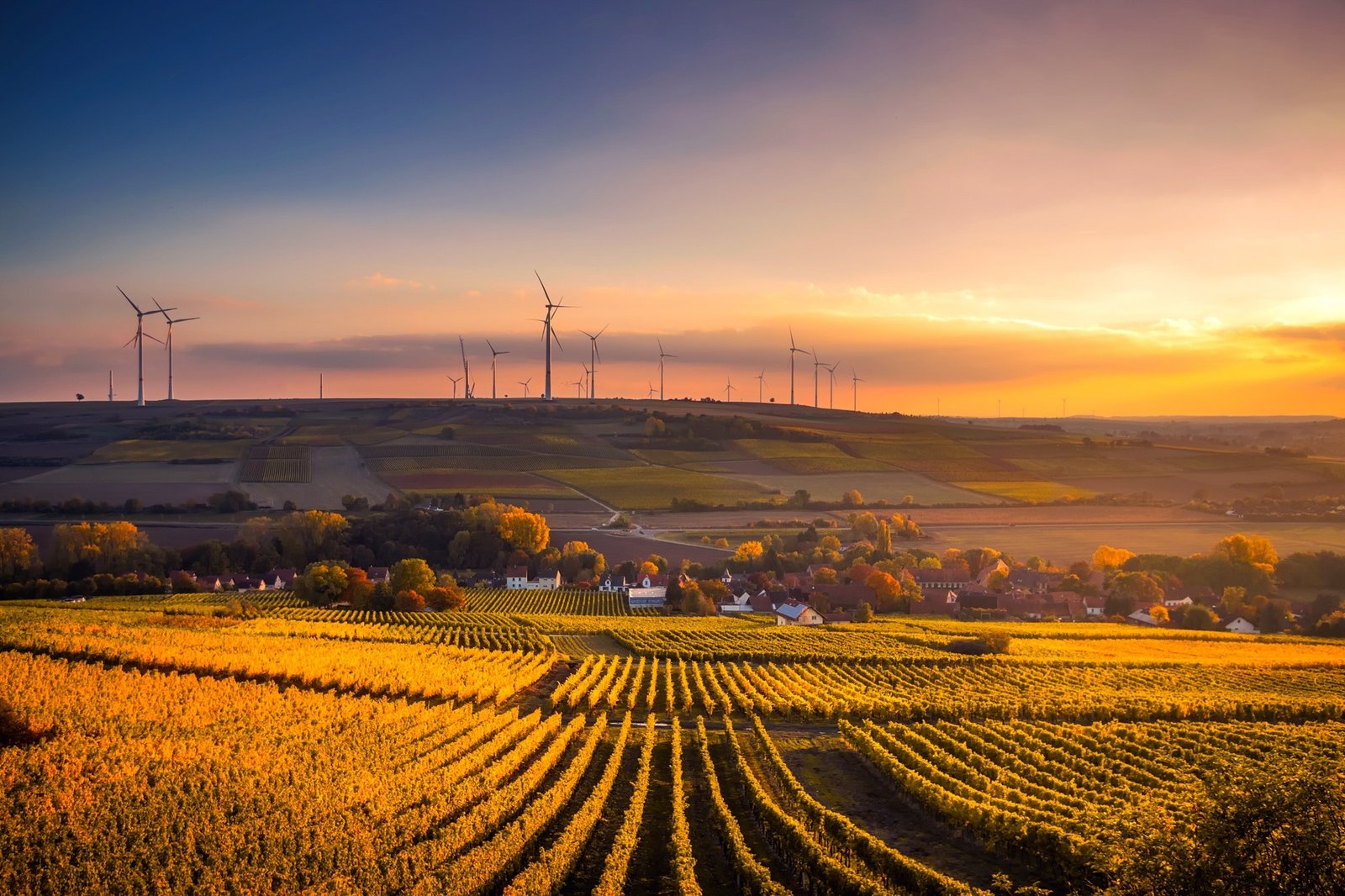
Introduction: In recent years, there has been a growing interest in sustainable and ethical food production. One aspect of this movement is the farm-to-table concept, which emphasizes locally sourced and minimally processed ingredients. When it comes to beef, this means understanding the journey of cows from the farm to our tables. In this blog post, we will explore the process of raising cows in a sustainable manner and the benefits it brings to both the environment and our plates. 1. The Importance of Sustainable Cow Farming: Sustainable cow farming involves practices that prioritize the well-being of both the animals and the environment. By using sustainable methods, farmers aim to minimize waste, reduce chemical inputs, and promote biodiversity. These practices ensure that cows are raised in a healthier, low-stress environment, resulting in better meat quality. 2. Caring for Cows on the Farm: Cows raised for beef are typically grass-fed, which means they graze on natural pastures. This type of diet leads to leaner and more flavorsome meat. It also allows the cows to consume a more balanced diet, rich in essential nutrients. Additionally, cows raised in sustainable farms are treated with respect, given ample space to roam and graze freely, and provided with shelter for protection from the elements. 3. Sustainable Livestock Management: Responsible pasture management is a crucial aspect of sustainable cattle farming. This helps control soil erosion, maintains pasture health, and prevents overgrazing. Rotational grazing techniques, where cows are moved regularly to different sections of the pasture, allow the land to recover and thrive. Integrating livestock with diverse crops, such as cover crops and forage, further enhances sustainability. 4. The Role of Local Farmers: Choosing to support local farmers who raise their cows sustainably can have a significant impact on the environment and the local economy. Buying directly from local farmers not only ensures freshness but also reduces the carbon footprint associated with long-distance transportation. Moreover, supporting local farmers helps create a stronger, more resilient community. 5. Benefits for Consumers: Beyond the environmental and economic benefits, there are also numerous health benefits associated with consuming meat from sustainably raised cows. Grass-fed beef is lower in saturated fats and higher in beneficial omega-3 fatty acids. It also contains higher levels of vitamins, minerals, and antioxidants, making it a healthier choice for consumers. Conclusion: Understanding the journey of cows from the farm to our tables allows us to make more informed choices about the food we consume. By supporting sustainable and ethical farming practices, we contribute to a healthier environment, promote animal welfare, and enjoy healthier and more flavorful meat. So, the next time you enjoy a delicious steak or burger, remember the farmers who work tirelessly to bring it to your table. Let's continue to prioritize the farm-to-table movement and support local farmers who raise cows sustainably. Discover more about this topic through http://www.vacas.net
Leave a Comment:
SEARCH
Recent News
- Zurich, Switzerland, is renowned for its picturesque landscapes, vibrant culture, and thriving economy. However, thousands of kilometers away in Russia, agriculture plays a crucial role in the country's economy and food production.
- YouTube Content Creation and Translation: Exploring Russian Agriculture
- Russian agriculture has a long and rich history, being one of the leading agricultural producers in the world. From traditional farming practices to modern technology advancements, Russian agriculture has seen significant growth and development over the years. If you are interested in learning more about this fascinating industry, there is a YouTube channel that is dedicated to showcasing the intricacies of Russian agriculture.
- The development of work skills in the Russian agriculture sector is crucial for ensuring a sustainable and efficient industry. With a vast expanse of arable land and a rich history of agricultural traditions, Russia has the potential to become a global powerhouse in food production. However, this potential can only be realized through the continuous improvement and development of the skills of the workforce involved in the sector.
- Empowering Women in Politics to Drive Progress in Russian Agriculture
- **Exploring the Role of Women in Russian Agriculture**
- Russia is a country known for its vast agricultural lands and rich farming traditions. From the fertile soils of the Black Earth region to the unique climate of the Siberian steppes, Russian agriculture plays a crucial role in feeding the nation and contributing to the global food supply.
- Russian Agriculture: A Growing Industry with Technological Advances
READ MORE
4 months ago Category : xfarming

Zurich, Switzerland, is renowned for its picturesque landscapes, vibrant culture, and thriving economy. However, thousands of kilometers away in Russia, agriculture plays a crucial role in the country's economy and food production.
Read More →4 months ago Category : xfarming

YouTube Content Creation and Translation: Exploring Russian Agriculture
Read More →4 months ago Category : xfarming

Russian agriculture has a long and rich history, being one of the leading agricultural producers in the world. From traditional farming practices to modern technology advancements, Russian agriculture has seen significant growth and development over the years. If you are interested in learning more about this fascinating industry, there is a YouTube channel that is dedicated to showcasing the intricacies of Russian agriculture.
Read More →4 months ago Category : xfarming
