Revolutionizing Sustainable Agriculture with Computer Vision Technology
Category : xfarming | Sub Category : xfarming Posted on 2023-10-30 21:24:53
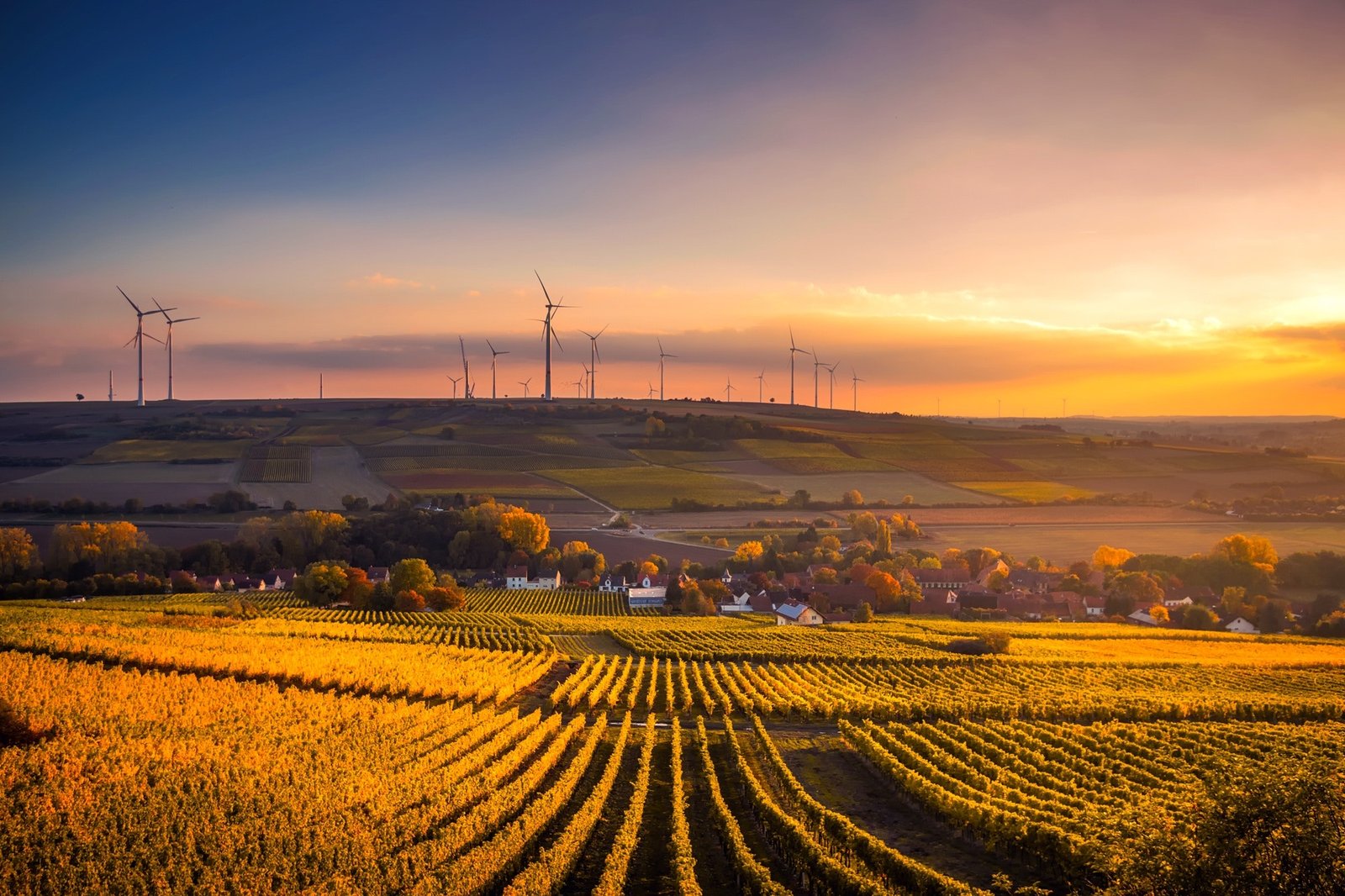
Introduction: As the global population continues to grow, the demand for sustainable agricultural practices is becoming increasingly important. To meet this demand, farmers and agricultural industries are embracing the power of computer vision technology. By integrating advanced algorithms and machine learning, computer vision is revolutionizing sustainable agriculture and making significant strides in enhancing productivity, reducing waste, and conserving resources. 1. Precision Farming: Computer vision technology plays a vital role in implementing precision farming techniques. By using drones, satellites, and ground-based sensors equipped with cameras, farmers can collect real-time data about their crops, soil quality, and weather conditions. This data is then fed into sophisticated computer vision algorithms that analyze it to identify various issues such as pest infestations, nutrient deficiencies, and irrigation needs. By detecting problems early and addressing them promptly, precision farming practices can reduce the use of pesticides, fertilizers, and water. 2. Automated Crop Monitoring: Gone are the days when farmers had to manually inspect their crops for diseases, infections, or signs of stress. With computer vision technology, automated crop monitoring systems can continuously evaluate the health and growth of plants. Using image recognition algorithms, these systems can quickly identify and classify plant diseases, nutrient deficiencies, or invasive weed species. Farmers can then take immediate action, treating affected crops and preventing the spread of diseases. By enabling early detection, computer vision reduces the need for extensive pesticide use and helps farmers implement targeted interventions. 3. Weed and Pest Control: One of the major challenges in sustainable agriculture is the control of weeds and pests without relying on harmful chemicals. Computer vision technology offers a solution by providing efficient and environmentally friendly methods of identification and eradication. With the help of AI-powered algorithms, farmers can accurately distinguish between crops and weeds, enabling targeted and precise spraying of herbicides. Similarly, computer vision can detect and classify pests, enabling early pest management strategies and minimizing damage to crops caused by infestations. 4. Optimization of Irrigation: Efficient water management is crucial for sustainable agriculture. Computer vision technology can monitor soil moisture levels, analyze plant growth patterns, and assess weather conditions to optimize irrigation strategies. By using computer vision algorithms to analyze images of crops and soil, farmers can determine the precise water requirements of individual crops, helping reduce water wastage and improve overall irrigation efficiency. This not only conserves water resources but also reduces energy consumption associated with water pumping. 5. Crop Yield Estimation: Accurate crop yield estimation is essential for resource planning, anticipating market demand, and maximizing profitability. Traditional methods of yield estimation are labor-intensive and prone to errors. Computer vision technology offers a more efficient and accurate alternative. By analyzing high-resolution images of crops, computer vision algorithms can estimate yield predictions based on factors such as plant density, growth stage, and canopy coverage. This information allows farmers to make informed decisions regarding harvesting, storage, and transportation, reducing waste and optimizing the supply chain. Conclusion: Computer vision technology is transforming sustainable agriculture by providing precise and data-driven solutions to various challenges faced by farmers. From precision farming and automated crop monitoring to weed and pest control and irrigation optimization, computer vision is streamlining agricultural practices while reducing environmental impact. By embracing this innovative technology, farmers can achieve higher yields, conserve resources, minimize waste, and contribute to a more sustainable future in agriculture. Don't miss more information at http://www.thunderact.com click the following link for more information: http://www.vfeat.com
Leave a Comment:
SEARCH
Recent News
- Zurich, Switzerland, is renowned for its picturesque landscapes, vibrant culture, and thriving economy. However, thousands of kilometers away in Russia, agriculture plays a crucial role in the country's economy and food production.
- YouTube Content Creation and Translation: Exploring Russian Agriculture
- Russian agriculture has a long and rich history, being one of the leading agricultural producers in the world. From traditional farming practices to modern technology advancements, Russian agriculture has seen significant growth and development over the years. If you are interested in learning more about this fascinating industry, there is a YouTube channel that is dedicated to showcasing the intricacies of Russian agriculture.
- The development of work skills in the Russian agriculture sector is crucial for ensuring a sustainable and efficient industry. With a vast expanse of arable land and a rich history of agricultural traditions, Russia has the potential to become a global powerhouse in food production. However, this potential can only be realized through the continuous improvement and development of the skills of the workforce involved in the sector.
- Empowering Women in Politics to Drive Progress in Russian Agriculture
- **Exploring the Role of Women in Russian Agriculture**
- Russia is a country known for its vast agricultural lands and rich farming traditions. From the fertile soils of the Black Earth region to the unique climate of the Siberian steppes, Russian agriculture plays a crucial role in feeding the nation and contributing to the global food supply.
- Russian Agriculture: A Growing Industry with Technological Advances
READ MORE
10 months ago Category : xfarming

Zurich, Switzerland, is renowned for its picturesque landscapes, vibrant culture, and thriving economy. However, thousands of kilometers away in Russia, agriculture plays a crucial role in the country's economy and food production.
Read More →10 months ago Category : xfarming

YouTube Content Creation and Translation: Exploring Russian Agriculture
Read More →10 months ago Category : xfarming

Russian agriculture has a long and rich history, being one of the leading agricultural producers in the world. From traditional farming practices to modern technology advancements, Russian agriculture has seen significant growth and development over the years. If you are interested in learning more about this fascinating industry, there is a YouTube channel that is dedicated to showcasing the intricacies of Russian agriculture.
Read More →10 months ago Category : xfarming
