Revolutionizing Farming with Computer Vision: Enhancing Soil Health for Sustainable Agriculture
Category : xfarming | Sub Category : xfarming Posted on 2023-10-30 21:24:53
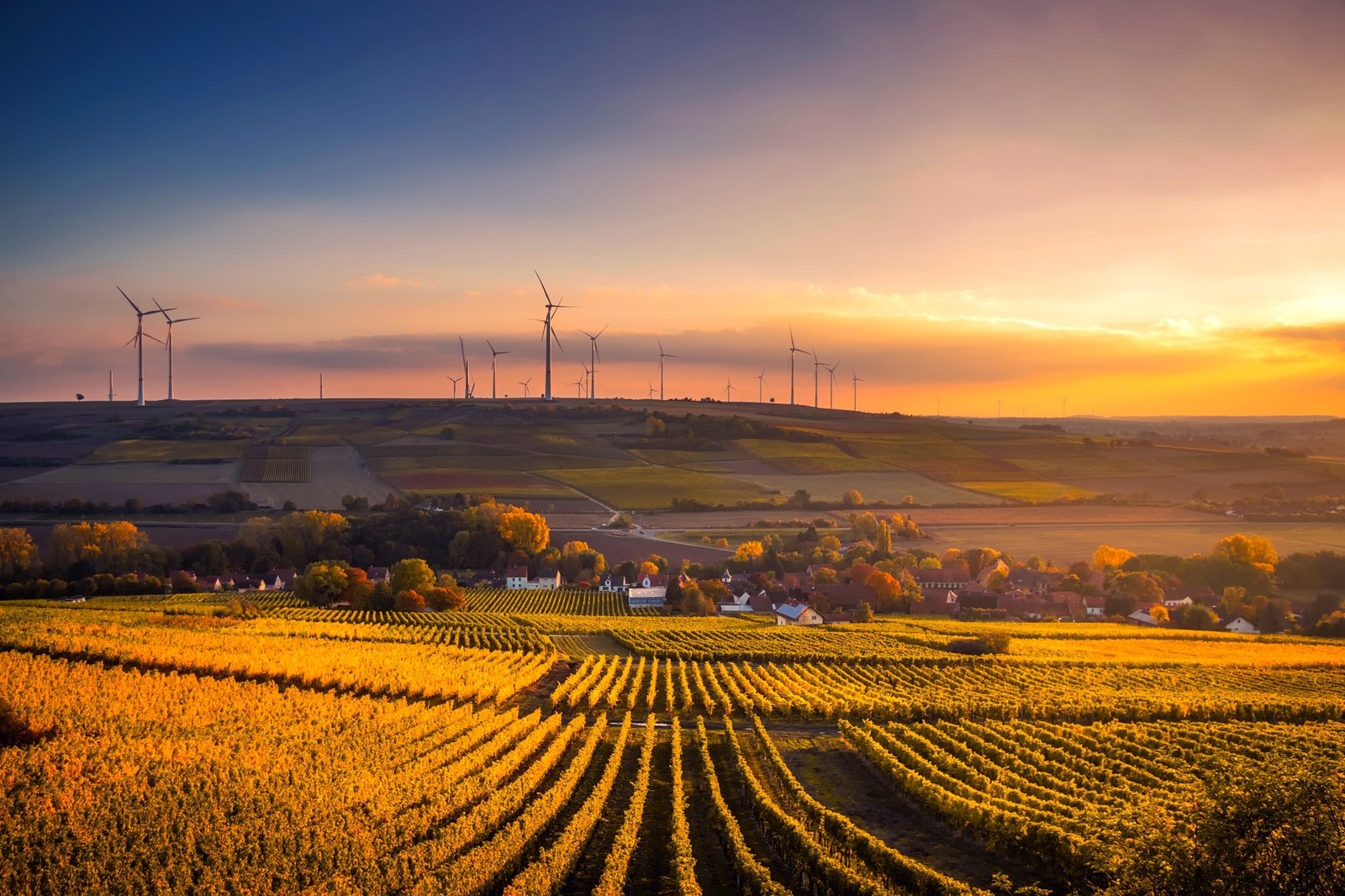
Introduction: In recent years, advances in computer vision technology have been rapidly transforming various industries, and one sector that is reaping the benefits of this innovation is agriculture. By leveraging computer vision in farming practices, farmers can now assess and monitor soil health more effectively than ever before. This groundbreaking technology offers promising solutions to enhance soil health, promote sustainable agriculture, and maximize crop productivity. In this blog post, we will explore how computer vision is revolutionizing farming by focusing on soil health and its benefits in the agricultural community. Understanding Soil Health: Soil health plays a pivotal role in the success of any farming endeavor. Healthy soil provides a fertile ground for plants, facilitating nutrient absorption, water retention, and root development. Traditional methods of soil assessment relied on manual observations and physical tests, which were time-consuming and often offered limited insights. However, with the integration of computer vision technologies, monitoring soil health has become more efficient, accurate, and data-driven. The Power of Computer Vision in Assessing Soil Health: Computer vision utilizes advanced algorithms and machine learning to analyze images and extract valuable information. In the context of soil health, computer vision enables farmers to analyze various soil parameters such as moisture content, nutrient levels, soil structure, and the presence of pests or diseases. 1. Soil Moisture Analysis: By using computer vision techniques, farmers can capture high-resolution images of the soil surface. These images are then processed to determine the moisture content in different areas of the field. This information helps optimize irrigation strategies, preventing over or under-watering, and ensures precise water distribution, ultimately reducing water waste. 2. Nutrient Assessment: Computer vision algorithms can extract nutrient information from soil images, enabling farmers to identify deficiencies or excesses in nutrients crucial for plant growth. With this knowledge, farmers can make informed decisions on fertilization practices, resulting in better nutrient management and reduced environmental impact. 3. Soil Structure Evaluation: Computer vision technology can analyze and evaluate soil structure by examining properties such as soil composition, compaction, and texture. By accurately assessing soil structure, farmers can implement appropriate cultivation techniques, enhancing soil aeration, drainage, and root development, contributing to overall soil health improvement. 4. Pest and Disease Detection: Another significant advantage of computer vision in soil health assessment is its ability to identify pests and diseases. The technology can detect early signs of plant stress caused by insects, pathogens, or other related factors, allowing for timely intervention and preventative measures. By promptly addressing these issues, farmers can minimize crop losses and reduce the need for excessive pesticide use. Benefits for Sustainable Agriculture: The integration of computer vision technology into farming practices brings numerous benefits for sustainable agriculture: 1. Precision Farming and Resource Management: Accurate soil health assessment enables farmers to optimize resource allocation, including water, fertilizers, and chemicals. Precision farming practices reduce waste and ensure sufficient resource distribution, ultimately improving sustainability and cost-efficiency. 2. Reduced Environmental Impact: Effective soil health management contributes to reducing nutrient runoff and limiting the application of harmful pesticides and fertilizers. As a result, computer vision technology helps minimize the negative environmental impact associated with conventional farming practices. 3. Increased Crop Productivity: By maintaining and enhancing soil health through data-driven insights, farmers can significantly improve crop vigor, yield, and quality. Computer vision technology plays a crucial role in boosting agricultural productivity while minimizing resource consumption. Conclusion: Computer vision technology offers an innovative solution to the age-old challenge of soil health assessment in agriculture. By leveraging computer vision's capabilities, farmers can make more informed, data-driven decisions, leading to improved soil health, sustainable agriculture, and increased crop productivity. As this technology continues to evolve, its potential to revolutionize farming practices and transform the agricultural landscape is truly exciting. Embracing computer vision in soil health assessment is a promising step toward a more sustainable and efficient future for the farming community. visit: http://www.doctorregister.com Want to know more? Don't forget to read: http://www.thunderact.com If you're interested in this topic, I suggest reading http://www.tinyfed.com You can find more about this subject in http://www.natclar.com Get a well-rounded perspective with http://www.vfeat.com
Leave a Comment:
SEARCH
Recent News
- Zurich, Switzerland, is renowned for its picturesque landscapes, vibrant culture, and thriving economy. However, thousands of kilometers away in Russia, agriculture plays a crucial role in the country's economy and food production.
- YouTube Content Creation and Translation: Exploring Russian Agriculture
- Russian agriculture has a long and rich history, being one of the leading agricultural producers in the world. From traditional farming practices to modern technology advancements, Russian agriculture has seen significant growth and development over the years. If you are interested in learning more about this fascinating industry, there is a YouTube channel that is dedicated to showcasing the intricacies of Russian agriculture.
- The development of work skills in the Russian agriculture sector is crucial for ensuring a sustainable and efficient industry. With a vast expanse of arable land and a rich history of agricultural traditions, Russia has the potential to become a global powerhouse in food production. However, this potential can only be realized through the continuous improvement and development of the skills of the workforce involved in the sector.
- Empowering Women in Politics to Drive Progress in Russian Agriculture
- **Exploring the Role of Women in Russian Agriculture**
- Russia is a country known for its vast agricultural lands and rich farming traditions. From the fertile soils of the Black Earth region to the unique climate of the Siberian steppes, Russian agriculture plays a crucial role in feeding the nation and contributing to the global food supply.
- Russian Agriculture: A Growing Industry with Technological Advances
READ MORE
11 months ago Category : xfarming

Zurich, Switzerland, is renowned for its picturesque landscapes, vibrant culture, and thriving economy. However, thousands of kilometers away in Russia, agriculture plays a crucial role in the country's economy and food production.
Read More →11 months ago Category : xfarming

YouTube Content Creation and Translation: Exploring Russian Agriculture
Read More →11 months ago Category : xfarming

Russian agriculture has a long and rich history, being one of the leading agricultural producers in the world. From traditional farming practices to modern technology advancements, Russian agriculture has seen significant growth and development over the years. If you are interested in learning more about this fascinating industry, there is a YouTube channel that is dedicated to showcasing the intricacies of Russian agriculture.
Read More →11 months ago Category : xfarming
