Revolutionizing Agriculture: How Computer Vision is Transforming Smart Farming
Category : xfarming | Sub Category : xfarming Posted on 2023-10-30 21:24:53
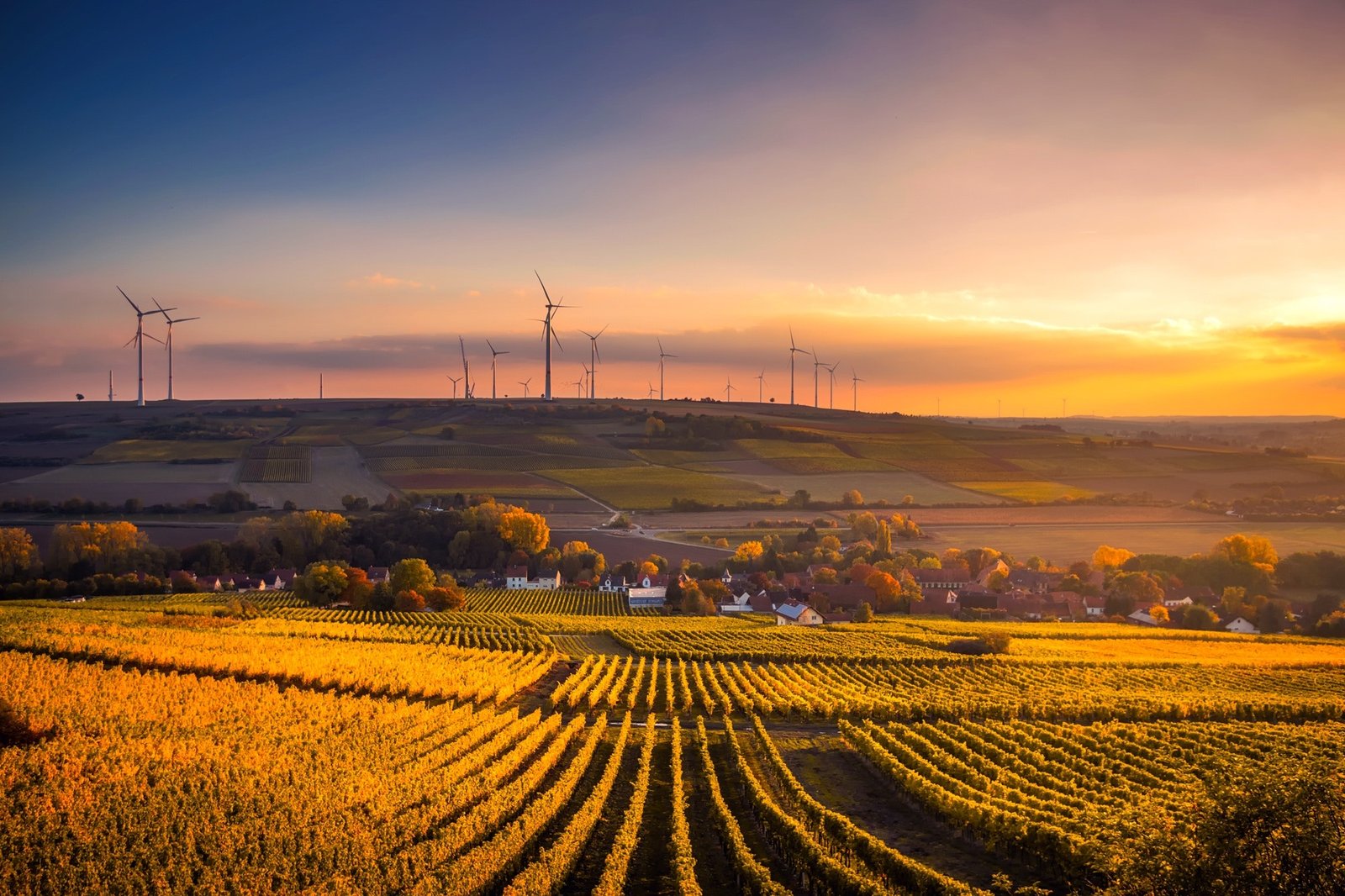
Introduction: In the rapidly evolving world of agriculture, technological advancements have been playing a pivotal role in optimizing farming practices. One such groundbreaking technology is computer vision, which has the potential to revolutionize the way we cultivate crops and manage our farmlands. This blog post will explore how computer vision is transforming smart farming, and the immense benefits it brings to the agricultural industry. 1. What is Computer Vision? Computer vision is a branch of artificial intelligence that enables machines to perceive and interpret visual information. It involves the development of algorithms and systems that can analyze visual data captured from various sources, such as cameras and satellites. 2. The Role of Computer Vision in Smart Farming: a. Crop Monitoring: Computer vision technology helps farmers monitor crop health in real-time through aerial imagery and drones. By analyzing plant color, texture, and growth patterns, computer vision algorithms can detect disease symptoms, nutrient deficiencies, and stress levels. This enables farmers to take timely actions, such as adjusting irrigation or applying targeted treatments, ultimately improving crop yields. b. Weed Detection and Management: Weeds can significantly affect crop growth and yield. Computer vision algorithms can identify and classify different weed species, providing farmers with precise data to target specific areas for weed control. This allows for the reduction of herbicide use, minimizing environmental impact and optimizing resource utilization. c. Yield Estimation: Traditional methods of yield estimation are time-consuming and often inaccurate. Computer vision, combined with machine learning, can accurately estimate crop yields by analyzing images captured from drones or satellites. This data helps farmers make informed decisions regarding harvest timings, storage facilities, and marketing strategies. d. Livestock Management: Computer vision is also being applied in livestock farming. For instance, it can help monitor animal behavior, detect health issues, and automate tasks like monitoring feed and water levels. By identifying patterns and anomalies, farmers can ensure the well-being of their livestock and improve overall productivity. 3. Benefits of Computer Vision in Smart Farming: a. Increased Efficiency: By automating various tasks and providing real-time insights, computer vision technologies improve the efficiency of farming operations. This leads to significant cost savings, reduced labor requirements, and optimized resource utilization. b. Sustainable Agriculture: By enabling precise monitoring and targeted interventions, computer vision technology helps minimize water and chemical usage, reduce environmental impact, and promote sustainable agricultural practices. c. Improved Product Quality: With the ability to identify diseases and nutrient deficiencies, computer vision aids farmers in providing better quality produce. This leads to higher market value, increased consumer satisfaction, and enhanced profitability. d. Data-Driven Decision Making: Computer vision provides farmers with an abundance of data that can be used to make informed decisions. By analyzing this data, farmers can optimize various aspects of their farming practices, leading to higher yields and improved financial outcomes. Conclusion: Computer vision is transforming the agricultural industry by empowering farmers with real-time insights, precise monitoring capabilities, and data-driven decision-making. By leveraging this technology, smart farming practices are becoming more efficient, sustainable, and profitable. As we continue to explore the potential of computer vision, it is clear that this innovative technology is revolutionizing the way we cultivate our land, ensuring a more sustainable and prosperous future for our agricultural sector. For the latest insights, read: http://www.thunderact.com For a closer look, don't forget to read http://www.vfeat.com
Leave a Comment:
SEARCH
Recent News
- Zurich, Switzerland, is renowned for its picturesque landscapes, vibrant culture, and thriving economy. However, thousands of kilometers away in Russia, agriculture plays a crucial role in the country's economy and food production.
- YouTube Content Creation and Translation: Exploring Russian Agriculture
- Russian agriculture has a long and rich history, being one of the leading agricultural producers in the world. From traditional farming practices to modern technology advancements, Russian agriculture has seen significant growth and development over the years. If you are interested in learning more about this fascinating industry, there is a YouTube channel that is dedicated to showcasing the intricacies of Russian agriculture.
- The development of work skills in the Russian agriculture sector is crucial for ensuring a sustainable and efficient industry. With a vast expanse of arable land and a rich history of agricultural traditions, Russia has the potential to become a global powerhouse in food production. However, this potential can only be realized through the continuous improvement and development of the skills of the workforce involved in the sector.
- Empowering Women in Politics to Drive Progress in Russian Agriculture
- **Exploring the Role of Women in Russian Agriculture**
- Russia is a country known for its vast agricultural lands and rich farming traditions. From the fertile soils of the Black Earth region to the unique climate of the Siberian steppes, Russian agriculture plays a crucial role in feeding the nation and contributing to the global food supply.
- Russian Agriculture: A Growing Industry with Technological Advances
READ MORE
10 months ago Category : xfarming

Zurich, Switzerland, is renowned for its picturesque landscapes, vibrant culture, and thriving economy. However, thousands of kilometers away in Russia, agriculture plays a crucial role in the country's economy and food production.
Read More →10 months ago Category : xfarming

YouTube Content Creation and Translation: Exploring Russian Agriculture
Read More →10 months ago Category : xfarming

Russian agriculture has a long and rich history, being one of the leading agricultural producers in the world. From traditional farming practices to modern technology advancements, Russian agriculture has seen significant growth and development over the years. If you are interested in learning more about this fascinating industry, there is a YouTube channel that is dedicated to showcasing the intricacies of Russian agriculture.
Read More →10 months ago Category : xfarming
