The Intersection of Computer Vision and Farm-to-Table Movement: Enhancing Efficiency and Quality Assurance
Category : xfarming | Sub Category : xfarming Posted on 2023-10-30 21:24:53
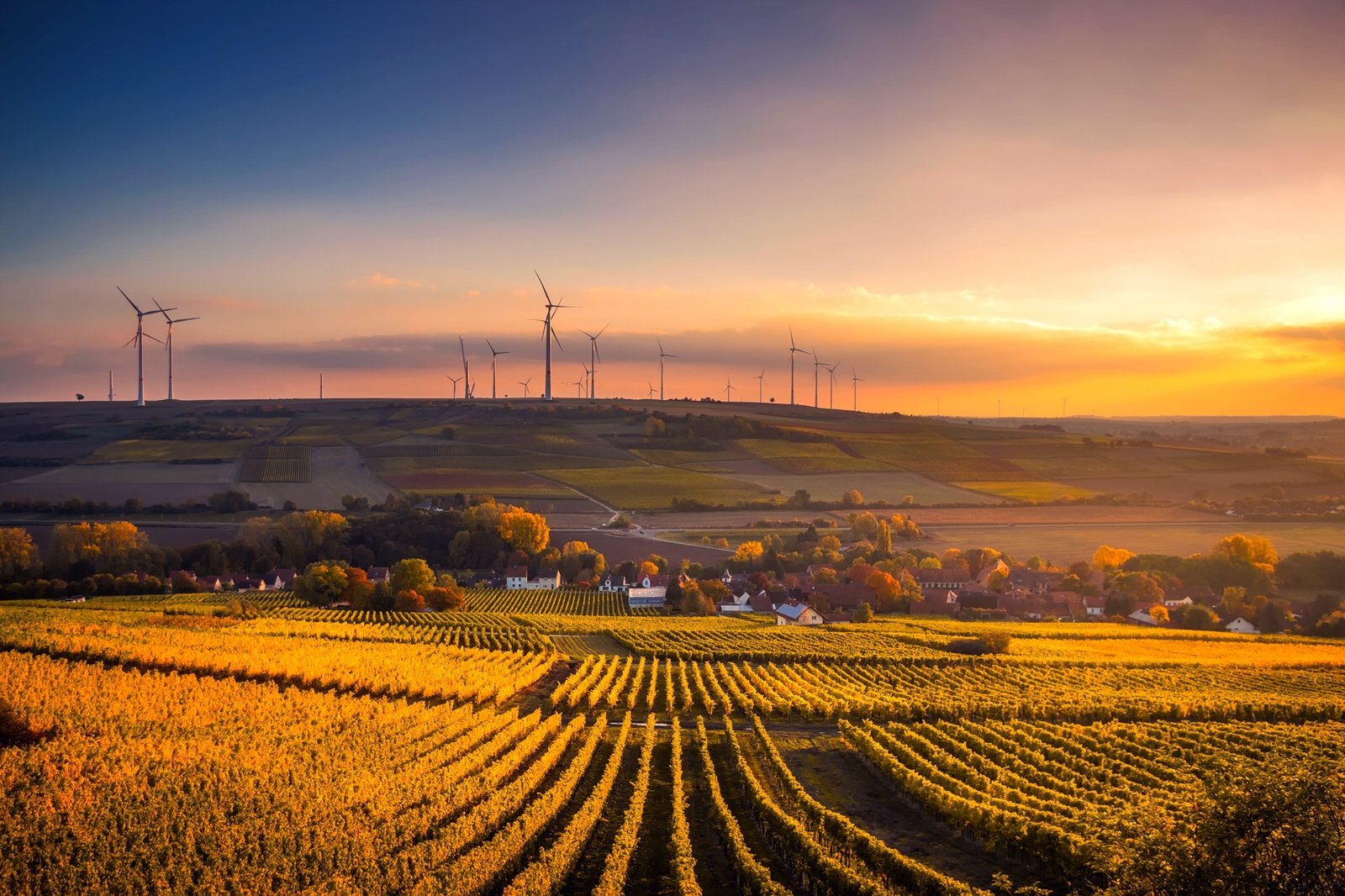
Introduction: In recent years, the farm-to-table movement has gained momentum as people become more conscious of the sources and quality of their food. Simultaneously, advancements in technology, particularly in the field of computer vision, have revolutionized various industries. The marriage of these two forces presents exciting opportunities in the realm of agriculture and food production. In this blog post, we will explore how computer vision is enhancing efficiency and quality assurance in the farm-to-table movement. 1. Automated Crop Monitoring: One of the key challenges in agriculture is monitoring crop health and managing potential threats. Computer vision algorithms, when paired with high-resolution cameras and drones, can analyze vast fields and provide real-time insights into crop growth, diseases, and pest infestations. This data allows farmers to take timely actions, such as targeted pesticide spraying or crop rotation, minimizing crop loss and reducing reliance on chemical interventions. 2. Sorting and Grading Produce: Ensuring consistent quality across harvested crops can be a tedious and time-consuming task. With computer vision algorithms, fruits and vegetables can be automatically sorted based on their size, shape, color, and external defects. This eliminates the need for manual labor and ensures a high level of precision and accuracy in delivering premium-grade produce to the market. 3. Supply Chain Traceability: Consumers today value transparency in the food they consume, wanting to know the journey of their food from farm to table. Computer vision technologies, such as barcode scanning and image recognition, enable robust traceability systems. By capturing and analyzing data at each stage of the supply chain, consumers can access detailed information about the origin, cultivation practices, and handling procedures of their purchased produce, fostering trust and accountability. 4. Optimal Resource Allocation: Efficient resource management is crucial for sustainable agriculture. Computer vision enables farmers to optimize the use of resources such as water, nutrients, and energy. By analyzing images of crops, soil, and weather conditions, smart algorithms can suggest precise irrigation schedules, nutrient supplementation, and energy consumption patterns, minimizing waste and promoting sustainability. 5. End-to-End Quality Assurance: Maintaining quality standards throughout the farm-to-table journey is of utmost importance. Computer vision technologies facilitate real-time quality assessment at various stages, from harvest to processing and packaging. These technologies can detect visual defects, ensure proper packaging, monitor temperature control, and even identify spoilage to avoid the distribution of subpar products. By integrating computer vision into quality assurance processes, businesses can uphold their commitment to delivering the highest quality products to consumers. Conclusion: As the farm-to-table movement gains traction, computer vision proves to be a valuable tool for enhancing efficiency and ensuring quality assurance throughout the food production cycle. By leveraging this technology, farmers and businesses can streamline operations, reduce waste, and provide consumers with safe, traceable, and high-quality produce. As computer vision continues to evolve, it holds immense potential in transforming the agricultural industry, aligning it with the principles of sustainability, transparency, and consumer satisfaction. To find answers, navigate to http://www.thunderact.com Want to learn more? Start with: http://www.vfeat.com
Leave a Comment:
SEARCH
Recent News
- Zurich, Switzerland, is renowned for its picturesque landscapes, vibrant culture, and thriving economy. However, thousands of kilometers away in Russia, agriculture plays a crucial role in the country's economy and food production.
- YouTube Content Creation and Translation: Exploring Russian Agriculture
- Russian agriculture has a long and rich history, being one of the leading agricultural producers in the world. From traditional farming practices to modern technology advancements, Russian agriculture has seen significant growth and development over the years. If you are interested in learning more about this fascinating industry, there is a YouTube channel that is dedicated to showcasing the intricacies of Russian agriculture.
- The development of work skills in the Russian agriculture sector is crucial for ensuring a sustainable and efficient industry. With a vast expanse of arable land and a rich history of agricultural traditions, Russia has the potential to become a global powerhouse in food production. However, this potential can only be realized through the continuous improvement and development of the skills of the workforce involved in the sector.
- Empowering Women in Politics to Drive Progress in Russian Agriculture
- **Exploring the Role of Women in Russian Agriculture**
- Russia is a country known for its vast agricultural lands and rich farming traditions. From the fertile soils of the Black Earth region to the unique climate of the Siberian steppes, Russian agriculture plays a crucial role in feeding the nation and contributing to the global food supply.
- Russian Agriculture: A Growing Industry with Technological Advances
READ MORE
10 months ago Category : xfarming

Zurich, Switzerland, is renowned for its picturesque landscapes, vibrant culture, and thriving economy. However, thousands of kilometers away in Russia, agriculture plays a crucial role in the country's economy and food production.
Read More →10 months ago Category : xfarming

YouTube Content Creation and Translation: Exploring Russian Agriculture
Read More →10 months ago Category : xfarming

Russian agriculture has a long and rich history, being one of the leading agricultural producers in the world. From traditional farming practices to modern technology advancements, Russian agriculture has seen significant growth and development over the years. If you are interested in learning more about this fascinating industry, there is a YouTube channel that is dedicated to showcasing the intricacies of Russian agriculture.
Read More →10 months ago Category : xfarming
