How Computer Vision is Revolutionizing the Farming Industry
Category : xfarming | Sub Category : xfarming Posted on 2023-10-30 21:24:53
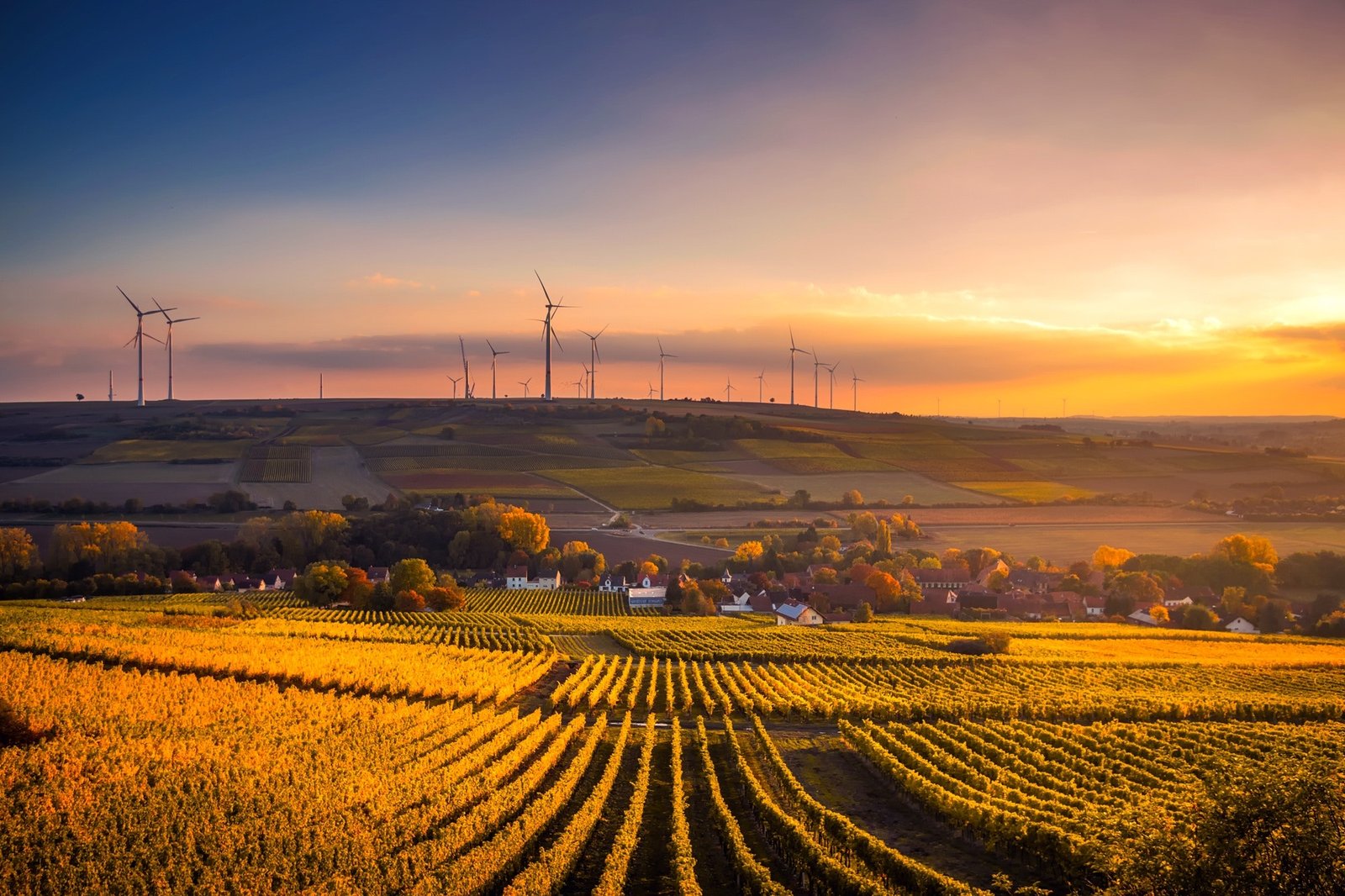
Introduction: In recent years, advancements in computer vision technology have made a significant impact in various industries. One sector that has been greatly transformed by this technology is farming. From crop monitoring to automated machinery, computer vision has revolutionized the way farms operate. In this blog post, we will explore how computer vision is being used in farm equipment, enhancing efficiency, and ultimately, increasing agricultural productivity. 1. Automated Crop Monitoring: One of the key applications of computer vision in the farming industry is the automated monitoring of crops. Traditional methods of crop monitoring required farmers to physically inspect their fields regularly. However, with computer vision technology, farmers can now use drones equipped with advanced cameras to capture high-resolution images of their crops. These images are then processed using image recognition algorithms to detect signs of distress, disease, or pests. By detecting problems early on, farmers can take proactive measures, preventing potential crop loss. 2. Precision Spraying: Computer vision has also extended its capabilities to precision spraying in farming. Traditionally, spraying pesticides or herbicides was done uniformly across the entire field, which led to excessive chemical use and potential environmental harm. With computer vision, farmers can now target specific areas that require treatment, minimizing chemical usage and reducing costs. Computer vision algorithms analyze the data collected through cameras mounted on sprayers, identifying the areas that need spraying and adjusting the dosage accordingly. This precision spraying technique saves resources, improves crop health, and reduces the environmental impact of farming. 3. Autonomous Farming Machinery: Computer vision technology has paved the way for the development of autonomous farming machinery. Self-driving tractors and harvesters equipped with computer vision systems can navigate the fields, avoiding obstacles, and following programmed routes. Using cameras, sensors, and advanced algorithms, these machines can make real-time decisions based on the environmental data they collect. By reducing the need for human intervention, autonomous machinery greatly increases productivity and efficiency, allowing farmers to focus on other essential tasks. 4. Livestock Monitoring and Health: Beyond crop monitoring, computer vision technology also plays a vital role in livestock management. Cameras and depth sensors can be deployed in barns and pastures to monitor animal behavior, health, and feeding patterns. Computer vision systems can detect signs of distress, monitor feeding behavior and ensure the overall well-being of the animals. Early detection of health issues can help farmers take prompt action, preventing the spread of diseases and improving animal welfare. Conclusion: Computer vision technology is transforming the farming industry, enhancing efficiency and productivity like never before. From automated crop monitoring to precision spraying and the development of autonomous machinery, computer vision is revolutionizing how farms operate. With the ability to detect problems early, optimize resource usage, and improve livestock management, this technology is proving to be an invaluable asset for farmers. As we continue to harness the potential of computer vision, we can expect even greater advancements in farm equipment, contributing to a sustainable and highly productive agricultural sector. For additional information, refer to: http://www.thunderact.com For an in-depth examination, refer to http://www.vfeat.com
Leave a Comment:
SEARCH
Recent News
- Zurich, Switzerland, is renowned for its picturesque landscapes, vibrant culture, and thriving economy. However, thousands of kilometers away in Russia, agriculture plays a crucial role in the country's economy and food production.
- YouTube Content Creation and Translation: Exploring Russian Agriculture
- Russian agriculture has a long and rich history, being one of the leading agricultural producers in the world. From traditional farming practices to modern technology advancements, Russian agriculture has seen significant growth and development over the years. If you are interested in learning more about this fascinating industry, there is a YouTube channel that is dedicated to showcasing the intricacies of Russian agriculture.
- The development of work skills in the Russian agriculture sector is crucial for ensuring a sustainable and efficient industry. With a vast expanse of arable land and a rich history of agricultural traditions, Russia has the potential to become a global powerhouse in food production. However, this potential can only be realized through the continuous improvement and development of the skills of the workforce involved in the sector.
- Empowering Women in Politics to Drive Progress in Russian Agriculture
- **Exploring the Role of Women in Russian Agriculture**
- Russia is a country known for its vast agricultural lands and rich farming traditions. From the fertile soils of the Black Earth region to the unique climate of the Siberian steppes, Russian agriculture plays a crucial role in feeding the nation and contributing to the global food supply.
- Russian Agriculture: A Growing Industry with Technological Advances
READ MORE
4 months ago Category : xfarming

Zurich, Switzerland, is renowned for its picturesque landscapes, vibrant culture, and thriving economy. However, thousands of kilometers away in Russia, agriculture plays a crucial role in the country's economy and food production.
Read More →4 months ago Category : xfarming

YouTube Content Creation and Translation: Exploring Russian Agriculture
Read More →4 months ago Category : xfarming

Russian agriculture has a long and rich history, being one of the leading agricultural producers in the world. From traditional farming practices to modern technology advancements, Russian agriculture has seen significant growth and development over the years. If you are interested in learning more about this fascinating industry, there is a YouTube channel that is dedicated to showcasing the intricacies of Russian agriculture.
Read More →4 months ago Category : xfarming
