Revolutionizing Agroforestry with Computer Vision Technology
Category : xfarming | Sub Category : xfarming Posted on 2023-10-30 21:24:53
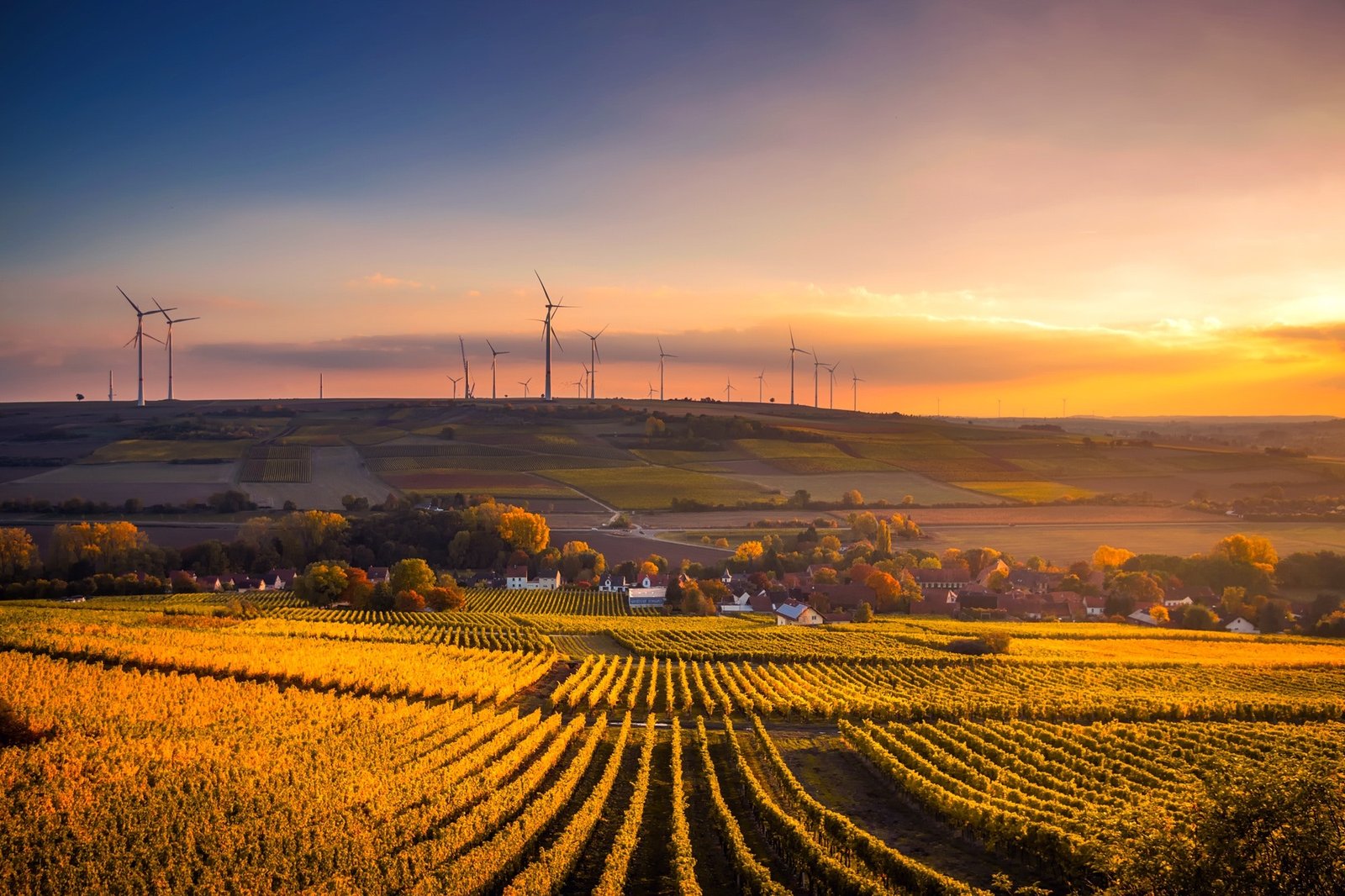
Introduction: Agroforestry has proven to be an effective and sustainable way of land management, combining the cultivation of trees and crops to maximize benefits. However, the success of agroforestry heavily relies on proper planning, monitoring, and maintenance. This is where computer vision technology steps in, revolutionizing the agroforestry industry by providing accurate and efficient insights into the health and growth of trees and crops. Understanding Computer Vision: Computer vision is the field of artificial intelligence that enables computers to interpret and understand visual data, similar to how humans perceive and analyze images and video. By leveraging sophisticated algorithms and machine learning techniques, computer vision systems can quickly process vast amounts of visual data to extract valuable information and make informed decisions. Enhancing Agroforestry Monitoring: Traditionally, monitoring the health and growth of trees and crops in agroforestry systems was a labor-intensive and time-consuming task. However, computer vision technology offers a game-changing solution by automating and streamlining this process. Here's how it works: 1. Tree and Crop Identification: Computer vision algorithms can identify and classify different plant species with high accuracy. This capability is particularly useful in agroforestry, where multiple plant species coexist. By automatically recognizing each tree and crop, farmers can better understand their growth patterns, nutrient requirements, and potential threats. 2. Disease and Pest Detection: Early detection of diseases and pest attacks is critical in preventing their spread and minimizing the impact on agroforestry systems. Computer vision technology can analyze images of plants and identify subtle visual cues that indicate the presence of diseases or pests. This allows farmers to take proactive measures, such as targeted treatments or pest control strategies, reducing the need for widespread pesticide application. 3. Growth Monitoring: Tracking the growth of trees and crops is essential for optimizing yield and resource allocation. Computer vision systems can measure various growth parameters, such as height, canopy coverage, and leaf color, providing real-time data on the health and progress of each plant. This information helps farmers make informed decisions about pruning, fertilization, and irrigation, maximizing productivity while minimizing waste. 4. Yield Estimation: Accurately estimating crop yields is crucial for planning harvest schedules and managing resources efficiently. By analyzing images of crops, computer vision algorithms can predict yield potential based on factors like plant density, fruit size, and color. This data enables farmers to optimize harvesting operations and meet market demand effectively. Benefits of Computer Vision in Agroforestry: Implementing computer vision technology in agroforestry systems brings numerous benefits, including: 1. Increased Efficiency: Automation of monitoring and analysis processes saves time and manpower, enabling farmers to focus on other essential tasks. 2. Enhanced Sustainability: By detecting disease outbreaks and pest infestations early on, farmers can minimize the use of harmful chemicals and adopt more sustainable practices. 3. Improved Decision-Making: Accurate data provided by computer vision systems helps farmers make informed decisions about resource allocation, resulting in better crop yield and financial returns. 4. Better Resource Management: Real-time monitoring of crop growth allows farmers to optimize resource allocation, reducing water and fertilizer usage while maximizing yield potential. Conclusion: Computer vision technology is transforming the agroforestry industry by revolutionizing the way trees and crops are monitored and managed. By providing accurate and timely information, computer vision systems enable farmers to make data-driven decisions, optimize resource utilization, and ultimately enhance the sustainability and productivity of agroforestry systems. With continued advancements in this field, we can expect computer vision to play an increasingly vital role in shaping the future of agroforestry. Seeking in-depth analysis? The following is a must-read. http://www.thunderact.com Seeking answers? You might find them in http://www.vfeat.com
Leave a Comment:
SEARCH
Recent News
- Zurich, Switzerland, is renowned for its picturesque landscapes, vibrant culture, and thriving economy. However, thousands of kilometers away in Russia, agriculture plays a crucial role in the country's economy and food production.
- YouTube Content Creation and Translation: Exploring Russian Agriculture
- Russian agriculture has a long and rich history, being one of the leading agricultural producers in the world. From traditional farming practices to modern technology advancements, Russian agriculture has seen significant growth and development over the years. If you are interested in learning more about this fascinating industry, there is a YouTube channel that is dedicated to showcasing the intricacies of Russian agriculture.
- The development of work skills in the Russian agriculture sector is crucial for ensuring a sustainable and efficient industry. With a vast expanse of arable land and a rich history of agricultural traditions, Russia has the potential to become a global powerhouse in food production. However, this potential can only be realized through the continuous improvement and development of the skills of the workforce involved in the sector.
- Empowering Women in Politics to Drive Progress in Russian Agriculture
- **Exploring the Role of Women in Russian Agriculture**
- Russia is a country known for its vast agricultural lands and rich farming traditions. From the fertile soils of the Black Earth region to the unique climate of the Siberian steppes, Russian agriculture plays a crucial role in feeding the nation and contributing to the global food supply.
- Russian Agriculture: A Growing Industry with Technological Advances
READ MORE
11 months ago Category : xfarming

Zurich, Switzerland, is renowned for its picturesque landscapes, vibrant culture, and thriving economy. However, thousands of kilometers away in Russia, agriculture plays a crucial role in the country's economy and food production.
Read More →11 months ago Category : xfarming

YouTube Content Creation and Translation: Exploring Russian Agriculture
Read More →11 months ago Category : xfarming

Russian agriculture has a long and rich history, being one of the leading agricultural producers in the world. From traditional farming practices to modern technology advancements, Russian agriculture has seen significant growth and development over the years. If you are interested in learning more about this fascinating industry, there is a YouTube channel that is dedicated to showcasing the intricacies of Russian agriculture.
Read More →11 months ago Category : xfarming
