Revolutionizing Agriculture with Computer Vision Technology
Category : xfarming | Sub Category : xfarming Posted on 2023-10-30 21:24:53
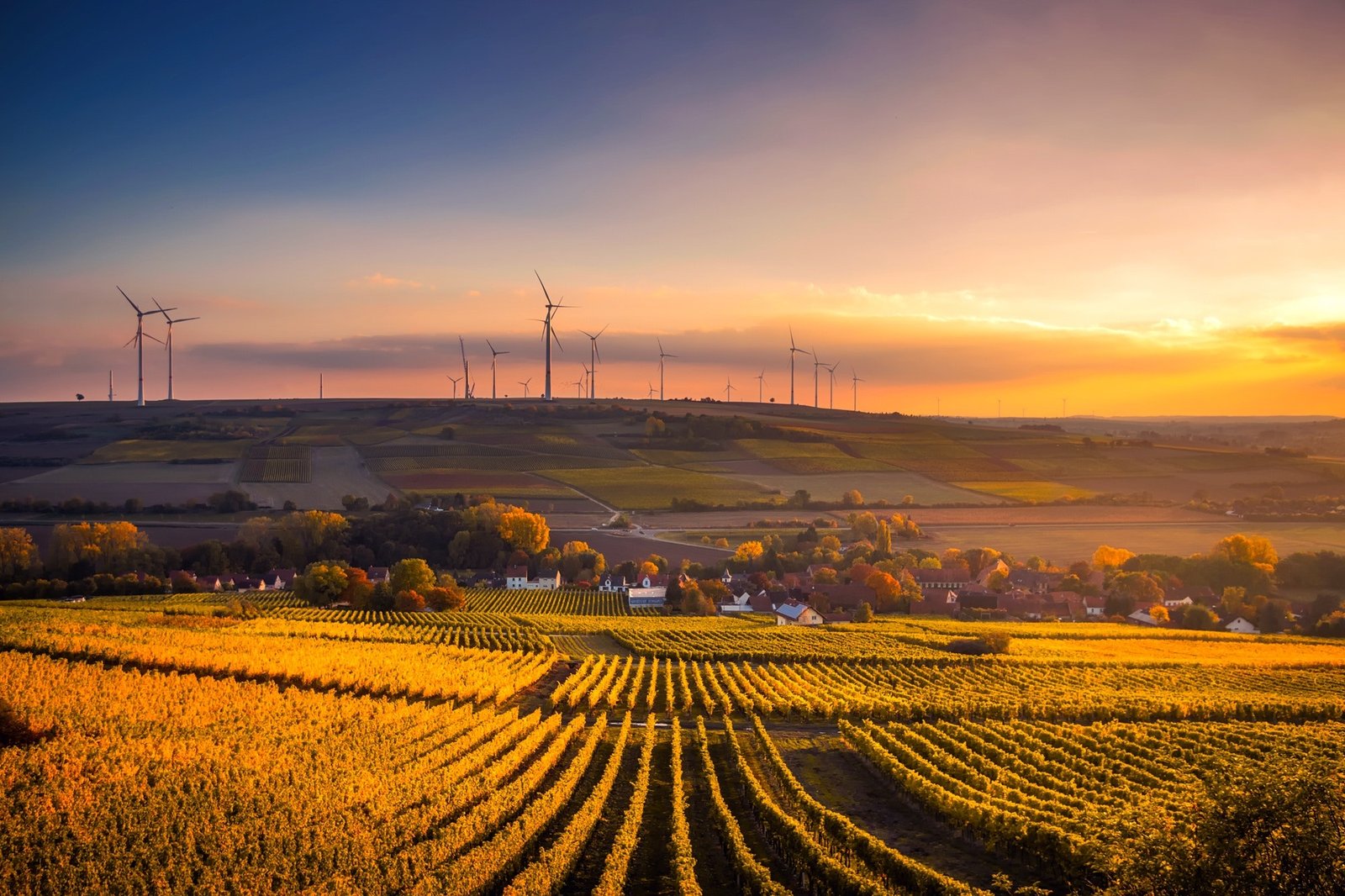
Introduction: In recent years, the field of computer vision has taken the agricultural industry by storm. With advancements in technology, farmers and agriculturalists are now able to harness the power of computer vision to streamline and optimize various processes in the farming sector. From crop yield estimation to pest detection, computer vision is transforming agricultural practices, leading to improved efficiency, increased productivity, and sustainable farming practices. In this blog post, we explore the applications and benefits of computer vision in agricultural technology. 1. Crop Monitoring and Management: Computer vision technology allows farmers to monitor and manage their crops with exceptional precision. With the help of drones equipped with high-resolution cameras, agriculturalists can capture aerial imagery of their fields. By analyzing these images using computer vision algorithms, farmers can gain valuable insights into crop health, disease detection, and nutrient deficiencies. This proactive approach helps farmers identify potential issues early on and take corrective action, leading to improved crop yields and reduced waste. 2. Weed and Pest Detection: Weed and pest control are significant challenges faced by farmers worldwide. Traditionally, farmers rely on manual labor or chemical-based solutions to address these problems. However, computer vision technology offers a more sustainable and efficient solution. By training machine learning algorithms with image datasets of crops and weeds, computer vision systems can accurately differentiate between desired crops and unwanted weeds. This allows farmers to target specific areas for treatment, minimizing the use of chemicals and reducing environmental impact. 3. Harvesting and Sorting: The harvesting process is labor-intensive and time-consuming. However, with computer vision technology, farmers can automate this process to a great extent. Computer vision algorithms can be trained to identify the ripeness of crops, such as fruits or vegetables, by analyzing their color, size, and texture. With this information, autonomous harvesting machines can precisely determine the optimal time for harvesting, ensuring the highest quality produce. Additionally, computer vision systems can also assist in sorting and grading harvested crops, improving the efficiency of post-harvest operations. 4. Soil Monitoring and Irrigation: Efficient water management is crucial for sustainable farming practices. Computer vision technology combined with sensors and IoT devices enables farmers to continuously monitor soil moisture levels and assess irrigation needs. By analyzing the data collected from these devices, computer vision algorithms can provide real-time decision-making support, optimizing water usage and reducing water wastage. This not only benefits the environment but also helps farmers cut down on water-related expenses. Conclusion: Computer vision technology is transforming the agricultural landscape, revolutionizing the way farmers manage their fields and crops. By harnessing the power of computer vision, farmers can enhance productivity, reduce environmental impact, and optimize resource management. The applications mentioned in this blog are just the tip of the iceberg, as ongoing research and advancements in the field continuously broaden the possibilities. As we move towards a sustainable future in agriculture, computer vision technology will undoubtedly play a significant role in shaping the industry. also don't miss more information at http://www.thunderact.com You can find more about this subject in http://www.vfeat.com
Leave a Comment:
SEARCH
Recent News
- Zurich, Switzerland, is renowned for its picturesque landscapes, vibrant culture, and thriving economy. However, thousands of kilometers away in Russia, agriculture plays a crucial role in the country's economy and food production.
- YouTube Content Creation and Translation: Exploring Russian Agriculture
- Russian agriculture has a long and rich history, being one of the leading agricultural producers in the world. From traditional farming practices to modern technology advancements, Russian agriculture has seen significant growth and development over the years. If you are interested in learning more about this fascinating industry, there is a YouTube channel that is dedicated to showcasing the intricacies of Russian agriculture.
- The development of work skills in the Russian agriculture sector is crucial for ensuring a sustainable and efficient industry. With a vast expanse of arable land and a rich history of agricultural traditions, Russia has the potential to become a global powerhouse in food production. However, this potential can only be realized through the continuous improvement and development of the skills of the workforce involved in the sector.
- Empowering Women in Politics to Drive Progress in Russian Agriculture
- **Exploring the Role of Women in Russian Agriculture**
- Russia is a country known for its vast agricultural lands and rich farming traditions. From the fertile soils of the Black Earth region to the unique climate of the Siberian steppes, Russian agriculture plays a crucial role in feeding the nation and contributing to the global food supply.
- Russian Agriculture: A Growing Industry with Technological Advances
READ MORE
10 months ago Category : xfarming

Zurich, Switzerland, is renowned for its picturesque landscapes, vibrant culture, and thriving economy. However, thousands of kilometers away in Russia, agriculture plays a crucial role in the country's economy and food production.
Read More →10 months ago Category : xfarming

YouTube Content Creation and Translation: Exploring Russian Agriculture
Read More →10 months ago Category : xfarming

Russian agriculture has a long and rich history, being one of the leading agricultural producers in the world. From traditional farming practices to modern technology advancements, Russian agriculture has seen significant growth and development over the years. If you are interested in learning more about this fascinating industry, there is a YouTube channel that is dedicated to showcasing the intricacies of Russian agriculture.
Read More →10 months ago Category : xfarming
