Exploring Color Trends in Soil Health Farming: Enhancing the Sustainability of Agriculture
Category : xfarming | Sub Category : xfarming Posted on 2023-10-30 21:24:53
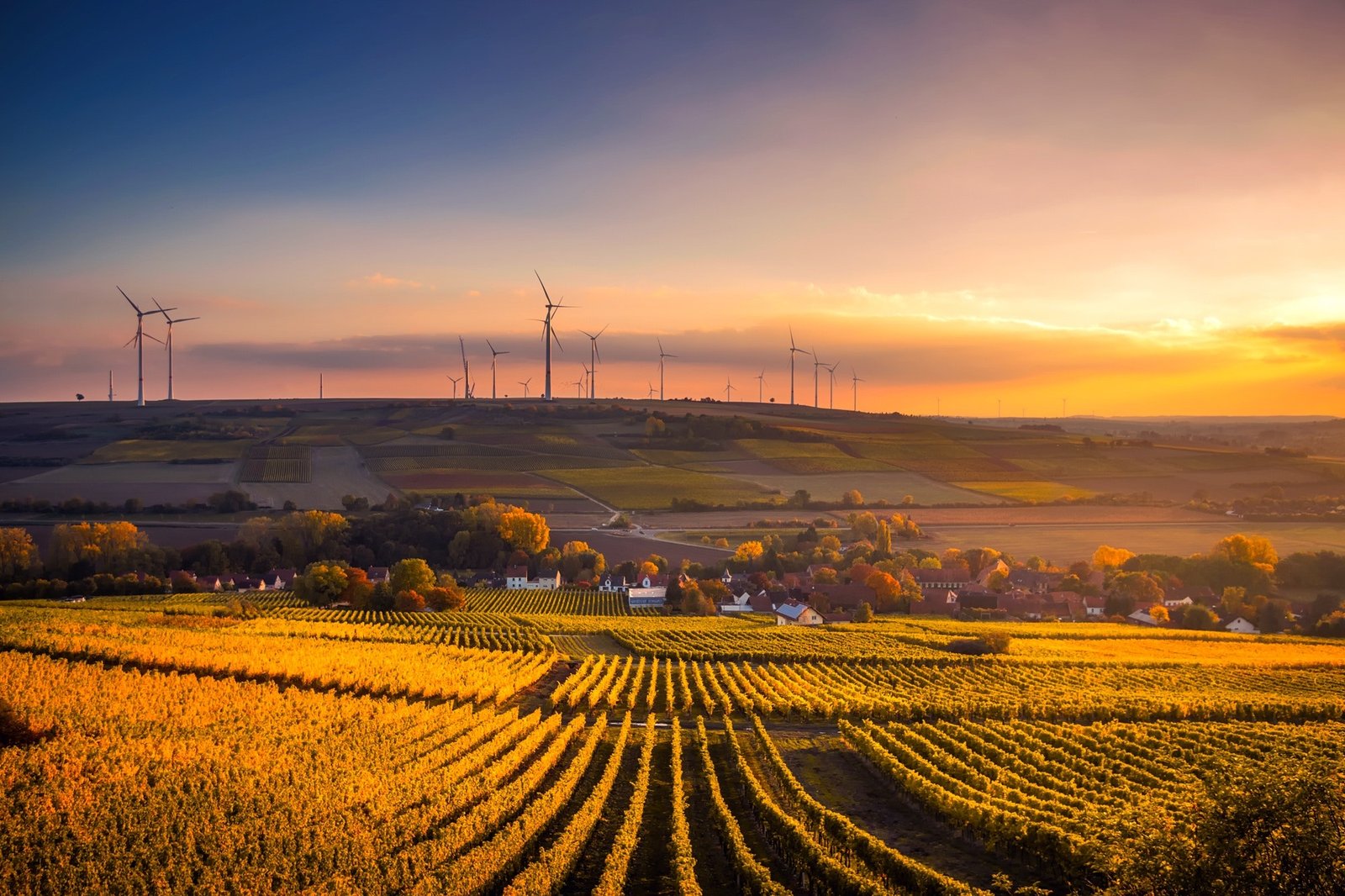
Introduction: In recent years, the focus on sustainable farming practices has dramatically increased as we recognize the importance of preserving soil health for long-term food production. As we delve into the world of soil health farming, we uncover a fascinating aspect that incorporates color trends. In this blog post, we will explore how color trends can enhance the sustainability of agriculture and promote healthy soil. Understanding Soil Health Farming: Soil health farming is a holistic approach to agriculture that prioritizes preserving the quality and fertility of the soil. It involves adopting practices that regenerate soil health, such as minimizing tillage, integrating cover crops, diversifying crop rotations, and reducing the use of harmful chemicals. A robust and vibrant soil ecosystem is the foundation for productive and sustainable farming. The Role of Color Trends in Soil Health: Color trends play a significant role in soil health farming. By paying attention to the color of the soil, farmers can assess its health and take the necessary steps to enhance its vitality. Different soil colors indicate distinct conditions, which guide farmers in making informed decisions about their farming practices. 1. Dark Brown or Black Soil: Dark brown or black soil is an indicator of high organic matter content and good fertility. The presence of dark soil color signifies that organic matter is decomposing and releasing crucial nutrients into the soil. By encouraging the development of dark soil, farmers promote increased nutrient availability for plants, leading to healthier crops. 2. Light Brown or Tan Soil: Light brown or tan soil indicates a lower organic matter content. This color may suggest that the soil is arid or has undergone erosion. In such cases, farmers can employ soil health practices like cover cropping and adding organic matter to improve the quality and fertility of the soil. 3. Reddish or Orange Soil: Soils with a reddish or orange hue may indicate a high iron oxide content. This color trend is often seen in clay-rich soils. While clay soils can be problematic due to their compaction and poor drainage, implementing practices like cover cropping and no-till farming can help improve their structure and overall health. 4. Grey or Blue-Grey Soil: Grey or blue-grey soil color suggests poor drainage and waterlogging issues. These soils can be prone to compaction and reduced oxygen availability for plant roots. Farmers can address this by implementing practices like installing drainage systems and practicing proper crop rotation to avoid waterlogged conditions. Conclusion: Color trends in soil health farming provide valuable insights into the conditions of the soil and help farmers make informed decisions to enhance sustainability in agriculture. By understanding the significance of soil color and incorporating practices that promote healthy soil, farmers play a crucial role in safeguarding the future of food production. By embracing color trends and advocating for soil health, we can pave the way for a more sustainable and resilient agricultural future. Click the following link for more http://www.colorsshow.com You can also check following website for more information about this subject: http://www.doctorregister.com You can find more about this subject in http://www.tinyfed.com If you are enthusiast, check the following link http://www.natclar.com
Leave a Comment:
SEARCH
Recent News
- Zurich, Switzerland, is renowned for its picturesque landscapes, vibrant culture, and thriving economy. However, thousands of kilometers away in Russia, agriculture plays a crucial role in the country's economy and food production.
- YouTube Content Creation and Translation: Exploring Russian Agriculture
- Russian agriculture has a long and rich history, being one of the leading agricultural producers in the world. From traditional farming practices to modern technology advancements, Russian agriculture has seen significant growth and development over the years. If you are interested in learning more about this fascinating industry, there is a YouTube channel that is dedicated to showcasing the intricacies of Russian agriculture.
- The development of work skills in the Russian agriculture sector is crucial for ensuring a sustainable and efficient industry. With a vast expanse of arable land and a rich history of agricultural traditions, Russia has the potential to become a global powerhouse in food production. However, this potential can only be realized through the continuous improvement and development of the skills of the workforce involved in the sector.
- Empowering Women in Politics to Drive Progress in Russian Agriculture
- **Exploring the Role of Women in Russian Agriculture**
- Russia is a country known for its vast agricultural lands and rich farming traditions. From the fertile soils of the Black Earth region to the unique climate of the Siberian steppes, Russian agriculture plays a crucial role in feeding the nation and contributing to the global food supply.
- Russian Agriculture: A Growing Industry with Technological Advances
READ MORE
4 months ago Category : xfarming

Zurich, Switzerland, is renowned for its picturesque landscapes, vibrant culture, and thriving economy. However, thousands of kilometers away in Russia, agriculture plays a crucial role in the country's economy and food production.
Read More →4 months ago Category : xfarming

YouTube Content Creation and Translation: Exploring Russian Agriculture
Read More →4 months ago Category : xfarming

Russian agriculture has a long and rich history, being one of the leading agricultural producers in the world. From traditional farming practices to modern technology advancements, Russian agriculture has seen significant growth and development over the years. If you are interested in learning more about this fascinating industry, there is a YouTube channel that is dedicated to showcasing the intricacies of Russian agriculture.
Read More →4 months ago Category : xfarming
