The Impact of Color Marketing in Vertical Farming: Enhancing Efficiency and Aesthetics
Category : xfarming | Sub Category : xfarming Posted on 2023-10-30 21:24:53
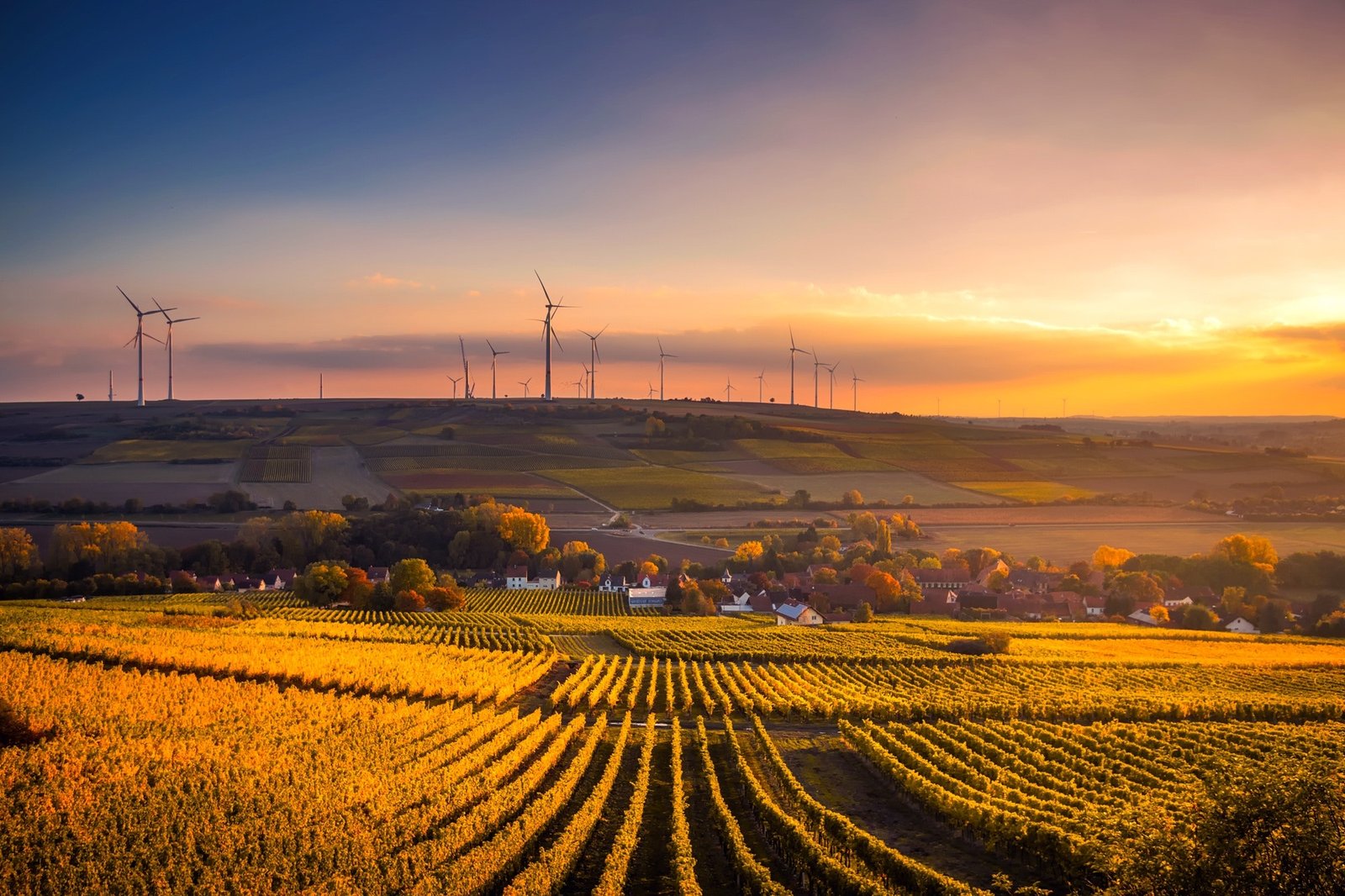
Introduction: In recent years, vertical farming has gained significant attention as a sustainable and efficient method of food production. By utilizing indoor spaces and growing crops in vertically stacked layers, this innovative technique reduces land use, conserves water, and minimizes the need for harmful pesticides. While the primary focus of vertical farming is to deliver fresh and nutritious produce, aesthetics play a crucial role in attracting consumers. This is where color marketing comes into play, as it not only enhances the visual appeal of these indoor farms but also influences our perception and purchasing decisions. In this article, we will explore the impact of color marketing in vertical farming and how it contributes to both efficiency and aesthetics. 1. Utilizing Color Psychology: Color has a profound impact on human psychology and emotions. By intentionally selecting colors for various aspects of a vertical farm, business owners can create a visually appealing and welcoming environment for consumers. For instance, warm hues of green or blue can be used in the farm's interior design to evoke feelings of calmness, freshness, and nature. These colors can help establish a connection between the consumers and the produce, enhancing their overall experience and perception of the farm. 2. Differentiating Crop Varieties: Vertical farms often grow a wide range of crops in the same space. Using color strategically can help differentiate the various varieties, making it easier for farmers and customers to identify the produce they desire. For example, labeling shelves or sections with color-coded indicators allows quick recognition of different herbs, vegetables, or fruits. This approach not only improves efficiency but also adds a vibrant and organized touch to the farm's overall aesthetic. 3. Enhancing Lighting Systems: In a vertical farm, artificial lighting plays a crucial role in ensuring optimal growth for plants. Incorporating colored LED lights into the system can provide more than just functional benefits. By utilizing wavelengths that correspond to specific growth stages or crop types, such as red light for flowering or blue light for leaf development, farmers can enhance the growth and quality of their crops. Additionally, these colored lights can create an attractive and visually stimulating environment for visitors and workers. 4. Evoking Brand Identity: Just like any other business, vertical farms need to establish their brand identity to stand out in the market. Colors are an essential aspect of branding, as they help create a visual representation of the farm's values and mission. For example, bold and vibrant colors can convey a sense of innovation and modernity, while earthy tones can emphasize sustainability and organic practices. By carefully selecting and incorporating these colors into their logos, packaging, and marketing materials, vertical farms can enhance their brand image and attract a wider consumer base. Conclusion: Color marketing in vertical farming is not just about making the farm visually appealing; it is about creating a cohesive experience for consumers, enhancing efficiency, and conveying the farm's values. By understanding the psychology of colors and strategically implementing them in various aspects of the farm, both the overall aesthetic and consumer perception can be significantly improved. From creating a calming and welcoming environment to differentiating crop varieties and evoking brand identity, color marketing plays a vital role in the success of a vertical farm. As the demand for sustainable food production continues to grow, the integration of color marketing in vertical farming will undoubtedly become increasingly important in attracting, engaging, and satisfying the customers of the future. You can find more about this subject in http://www.tinyfed.com For a detailed analysis, explore: http://www.droope.org
Leave a Comment:
SEARCH
Recent News
- Zurich, Switzerland, is renowned for its picturesque landscapes, vibrant culture, and thriving economy. However, thousands of kilometers away in Russia, agriculture plays a crucial role in the country's economy and food production.
- YouTube Content Creation and Translation: Exploring Russian Agriculture
- Russian agriculture has a long and rich history, being one of the leading agricultural producers in the world. From traditional farming practices to modern technology advancements, Russian agriculture has seen significant growth and development over the years. If you are interested in learning more about this fascinating industry, there is a YouTube channel that is dedicated to showcasing the intricacies of Russian agriculture.
- The development of work skills in the Russian agriculture sector is crucial for ensuring a sustainable and efficient industry. With a vast expanse of arable land and a rich history of agricultural traditions, Russia has the potential to become a global powerhouse in food production. However, this potential can only be realized through the continuous improvement and development of the skills of the workforce involved in the sector.
- Empowering Women in Politics to Drive Progress in Russian Agriculture
- **Exploring the Role of Women in Russian Agriculture**
- Russia is a country known for its vast agricultural lands and rich farming traditions. From the fertile soils of the Black Earth region to the unique climate of the Siberian steppes, Russian agriculture plays a crucial role in feeding the nation and contributing to the global food supply.
- Russian Agriculture: A Growing Industry with Technological Advances
READ MORE
4 months ago Category : xfarming

Zurich, Switzerland, is renowned for its picturesque landscapes, vibrant culture, and thriving economy. However, thousands of kilometers away in Russia, agriculture plays a crucial role in the country's economy and food production.
Read More →4 months ago Category : xfarming

YouTube Content Creation and Translation: Exploring Russian Agriculture
Read More →4 months ago Category : xfarming

Russian agriculture has a long and rich history, being one of the leading agricultural producers in the world. From traditional farming practices to modern technology advancements, Russian agriculture has seen significant growth and development over the years. If you are interested in learning more about this fascinating industry, there is a YouTube channel that is dedicated to showcasing the intricacies of Russian agriculture.
Read More →4 months ago Category : xfarming
