The Power of Color in Organic Farming Marketing
Category : xfarming | Sub Category : xfarming Posted on 2023-10-30 21:24:53
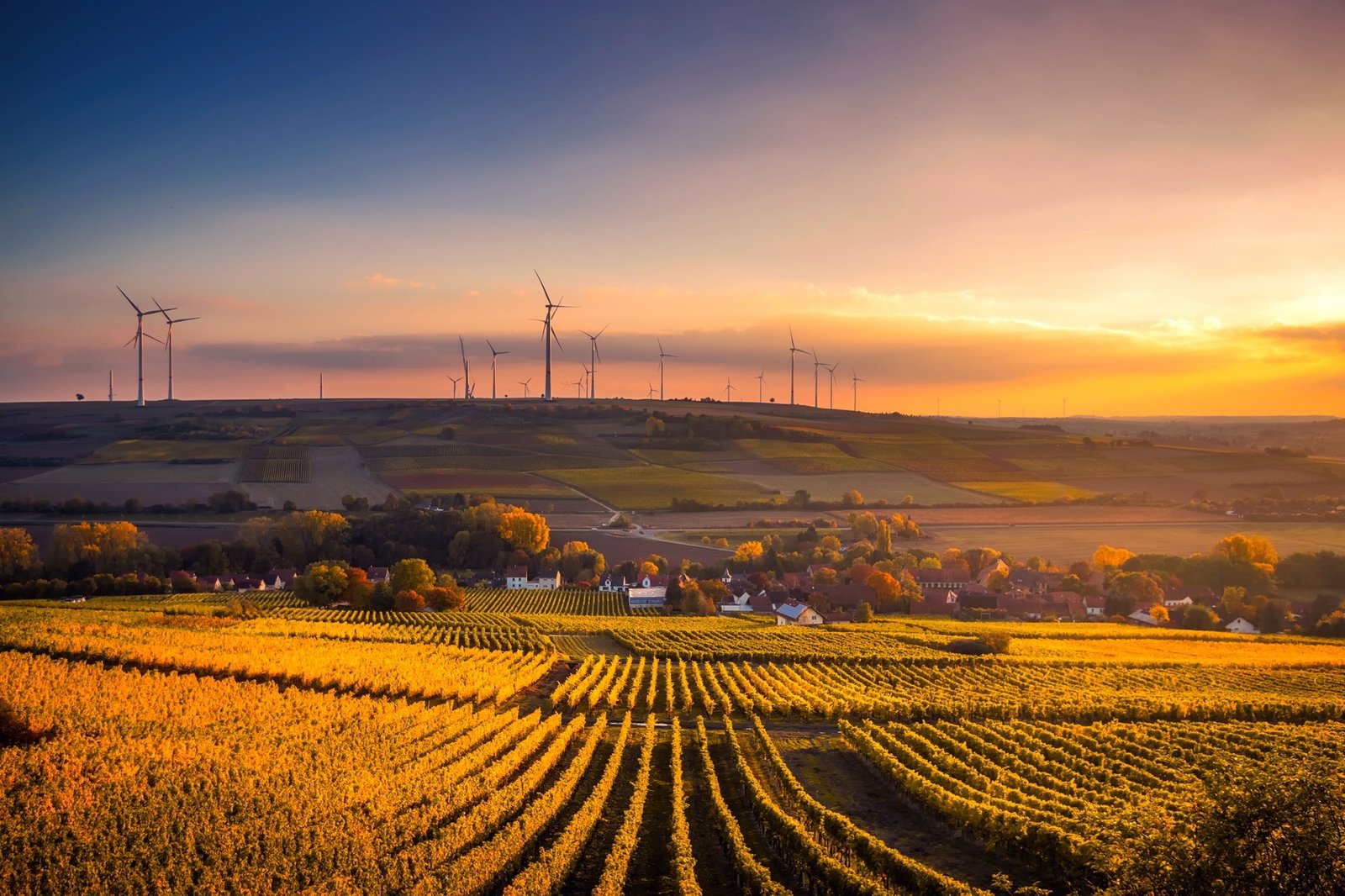
Introduction: In today's fast-paced world, the demand for organic food and sustainable practices is steadily increasing. As a result, organic farmers and businesses are constantly seeking effective strategies to promote their products and values. One often overlooked but powerful tool in their marketing arsenal is the use of color. In this blog post, we will explore the impact of color in organic farming marketing and how it can help businesses stand out and attract environmentally-conscious customers. 1. The Psychology of Colors: Colors have the ability to evoke certain emotions and influence our perception of a brand or product. Understanding the psychology behind different colors can help organic farmers select the right hues to convey their message effectively. - Green: Symbolizing nature and freshness, green is a natural choice for organic farmers. It represents sustainable practices, growth, and health, making it a perfect fit for organic farming marketing. - Earth Tones: Colors like browns, tans, and yellows communicate a sense of earthiness and naturalness. They evoke feelings of warmth, comfort, and authenticity, aligning perfectly with the organic farming ethos. - Blue: Often associated with cleanliness and purity, blue can be used effectively in organic farming marketing to convey a sense of trustworthiness and reliability. 2. Logo and Branding: A well-designed logo and consistent branding that incorporates the right colors can differentiate an organic farming business from its competitors. - Logo: The logo is the visual representation of a brand and the face of the business. Picking the right color for a logo can help convey the brand's values and create a memorable impression. For organic farming, green and earth tones are commonly used to reinforce the natural and sustainable character of the brand. - Packaging: Packaging plays a crucial role in attracting customers to organic products. By utilizing colors that align with the brand's values, organic farmers can create eye-catching and appealing packaging that stands out on the shelves. For example, using green tones in packaging designs can signal the product's eco-friendly and organic nature. 3. Digital Marketing: In the digital age, online presence is key for any business. Organic farmers can leverage the power of color in their digital marketing efforts to capture the attention of their target audience. - Website Design: The color scheme of a website can influence how visitors perceive a brand. By incorporating organic and earthy tones, organic farmers can create a website that reflects their commitment to sustainable farming practices. Additionally, green call-to-action buttons can encourage visitors to take action, reinforcing the brand's credibility. - Social Media: Each social media platform has its own aesthetic, and businesses must adapt their content accordingly. Organic farmers can leverage color consistency in their social media posts and profile pictures to strengthen brand recognition and reinforce their brand values. Conclusion: In the competitive world of organic farming, utilizing colors effectively in marketing strategies can make all the difference. By understanding the psychology behind colors and incorporating them into logo design, packaging, and digital marketing efforts, organic farmers can attract eco-conscious consumers and establish a strong and recognizable brand presence. Let colors be the silent ambassadors of your organic farming business, conveying your dedication to sustainability and fostering a strong connection with environmentally-aware customers. Have a look at http://www.tinyfed.com Want to expand your knowledge? Start with http://www.droope.org
Leave a Comment:
SEARCH
Recent News
- Zurich, Switzerland, is renowned for its picturesque landscapes, vibrant culture, and thriving economy. However, thousands of kilometers away in Russia, agriculture plays a crucial role in the country's economy and food production.
- YouTube Content Creation and Translation: Exploring Russian Agriculture
- Russian agriculture has a long and rich history, being one of the leading agricultural producers in the world. From traditional farming practices to modern technology advancements, Russian agriculture has seen significant growth and development over the years. If you are interested in learning more about this fascinating industry, there is a YouTube channel that is dedicated to showcasing the intricacies of Russian agriculture.
- The development of work skills in the Russian agriculture sector is crucial for ensuring a sustainable and efficient industry. With a vast expanse of arable land and a rich history of agricultural traditions, Russia has the potential to become a global powerhouse in food production. However, this potential can only be realized through the continuous improvement and development of the skills of the workforce involved in the sector.
- Empowering Women in Politics to Drive Progress in Russian Agriculture
- **Exploring the Role of Women in Russian Agriculture**
- Russia is a country known for its vast agricultural lands and rich farming traditions. From the fertile soils of the Black Earth region to the unique climate of the Siberian steppes, Russian agriculture plays a crucial role in feeding the nation and contributing to the global food supply.
- Russian Agriculture: A Growing Industry with Technological Advances
READ MORE
8 months ago Category : xfarming

Zurich, Switzerland, is renowned for its picturesque landscapes, vibrant culture, and thriving economy. However, thousands of kilometers away in Russia, agriculture plays a crucial role in the country's economy and food production.
Read More →8 months ago Category : xfarming

YouTube Content Creation and Translation: Exploring Russian Agriculture
Read More →8 months ago Category : xfarming

Russian agriculture has a long and rich history, being one of the leading agricultural producers in the world. From traditional farming practices to modern technology advancements, Russian agriculture has seen significant growth and development over the years. If you are interested in learning more about this fascinating industry, there is a YouTube channel that is dedicated to showcasing the intricacies of Russian agriculture.
Read More →8 months ago Category : xfarming
