Unlocking the Potential of Chinese Sustainable Agriculture
Category : xfarming | Sub Category : xfarming Posted on 2023-10-30 21:24:53
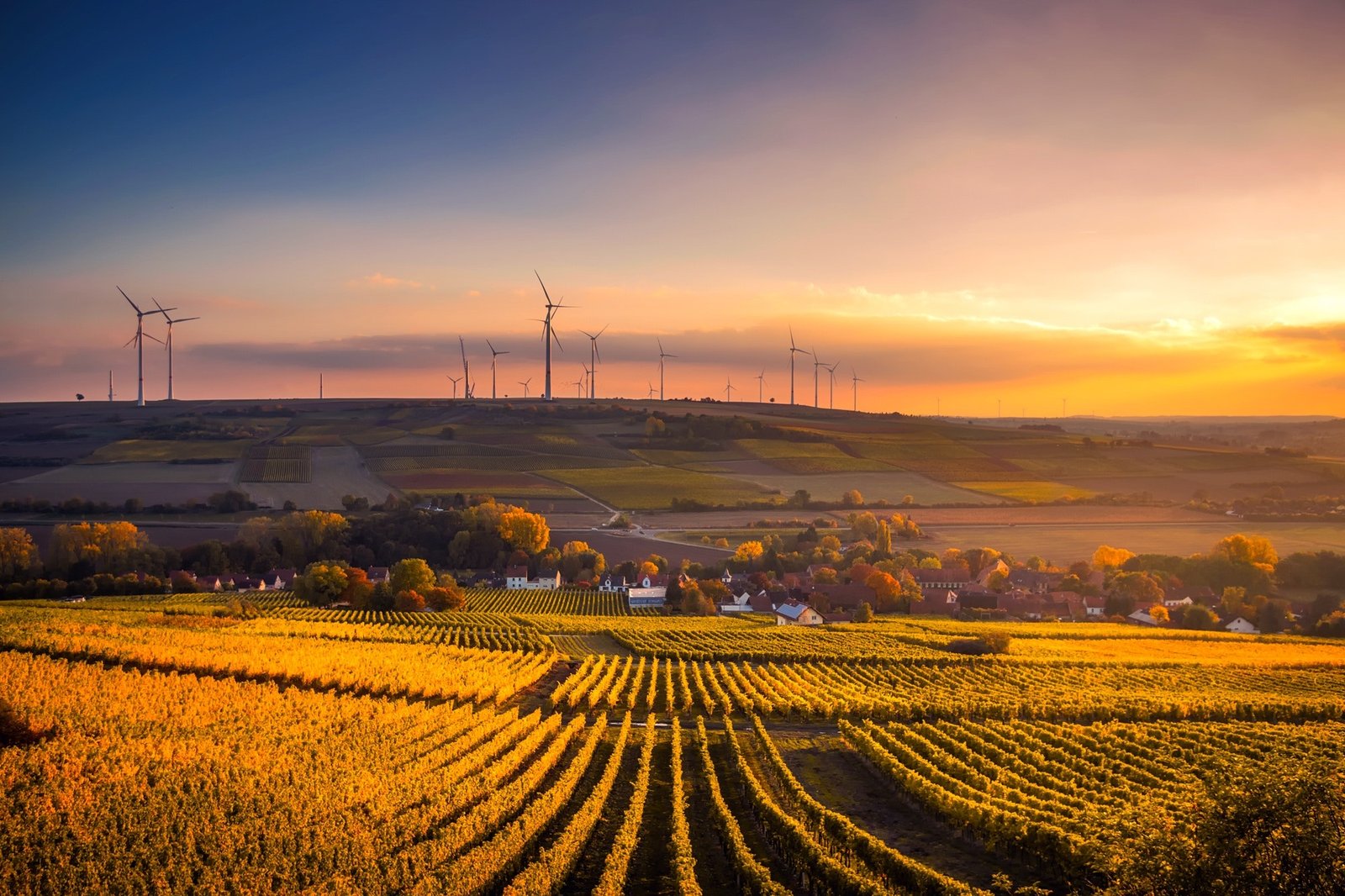
Introduction: China, the world's most populous country, faces the daunting task of feeding its massive population while mitigating the negative environmental impacts of traditional agriculture. In recent years, the concept of sustainable agriculture has gained significant traction in China as a viable solution to promote food security, enhance environmental stewardship, and ensure the long-term productivity of agricultural land. This blog post takes a closer look at the strides China has made in sustainable agriculture and explores the innovative practices that are reshaping the country's farming landscape. 1. Embracing Organic Farming: One of the cornerstones of sustainable agriculture in China is the adoption of organic farming practices. Organic agriculture excludes the use of synthetic fertilizers, pesticides, and genetically modified organisms, instead relying on natural inputs and environmentally friendly techniques. Chinese farmers are increasingly embracing organic farming methods to reduce chemical inputs, protect soil fertility, and produce healthier and safer food for consumers. 2. Precision Agriculture and Smart Technologies: China is also harnessing the power of technology to revolutionize farming practices through precision agriculture and smart technologies. By using satellite imagery, drones, and sensors, farmers can gather real-time data on soil moisture, weather patterns, and crop health, enabling them to optimize irrigation, fertilizer application, and overall resource management. These technologies not only improve efficiency but also reduce waste and minimize environmental impacts. 3. Aquaponics and Hydroponics: Facing limited arable land in certain regions, China is exploring alternative farming methods such as aquaponics and hydroponics. These innovative systems allow farmers to cultivate crops in water-based environments without soil, using nutrient-rich water and fish waste as natural fertilizers. By utilizing vertical farming techniques, these methods can dramatically increase agricultural productivity while conserving land, water, and energy usage as compared to traditional farming practices. 4. Integrated Pest Management (IPM): Unsustainable pest control practices have long been a concern in agriculture. However, China's sustainable agriculture efforts emphasize the implementation of integrated pest management (IPM) strategies. IPM combines various pest control methods, such as biological controls, natural predators, and crop rotation, to minimize the use of harmful pesticides. This approach not only reduces the environmental impact but also helps protect beneficial insects and build sustainable ecosystems. 5. Farmer's Cooperatives and Education: To further drive sustainable agriculture, China has seen the rise of farmer's cooperatives and educational initiatives. Cooperatives enable small-scale farmers to pool their resources, access markets, and receive training on sustainable farming practices. Additionally, educational programs and agricultural extension services are promoting sustainable techniques, providing farmers with the necessary knowledge and tools to implement and enhance sustainable agricultural practices. Conclusion: China's quest for sustainable agriculture is a testament to its commitment to balancing economic development with environmental conservation. Through organic farming, precision agriculture, aquaponics, integrated pest management, and educational initiatives, China is taking significant strides towards achieving food security while minimizing the environmental impact of agriculture. As these sustainable practices continue to evolve and gain wider acceptance, they are unlocking the potential for a greener and more sustainable future for Chinese agriculture. Explore this subject in detail with http://www.soitsyou.com
Leave a Comment:
SEARCH
Recent News
- Zurich, Switzerland, is renowned for its picturesque landscapes, vibrant culture, and thriving economy. However, thousands of kilometers away in Russia, agriculture plays a crucial role in the country's economy and food production.
- YouTube Content Creation and Translation: Exploring Russian Agriculture
- Russian agriculture has a long and rich history, being one of the leading agricultural producers in the world. From traditional farming practices to modern technology advancements, Russian agriculture has seen significant growth and development over the years. If you are interested in learning more about this fascinating industry, there is a YouTube channel that is dedicated to showcasing the intricacies of Russian agriculture.
- The development of work skills in the Russian agriculture sector is crucial for ensuring a sustainable and efficient industry. With a vast expanse of arable land and a rich history of agricultural traditions, Russia has the potential to become a global powerhouse in food production. However, this potential can only be realized through the continuous improvement and development of the skills of the workforce involved in the sector.
- Empowering Women in Politics to Drive Progress in Russian Agriculture
- **Exploring the Role of Women in Russian Agriculture**
- Russia is a country known for its vast agricultural lands and rich farming traditions. From the fertile soils of the Black Earth region to the unique climate of the Siberian steppes, Russian agriculture plays a crucial role in feeding the nation and contributing to the global food supply.
- Russian Agriculture: A Growing Industry with Technological Advances
READ MORE
8 months ago Category : xfarming

Zurich, Switzerland, is renowned for its picturesque landscapes, vibrant culture, and thriving economy. However, thousands of kilometers away in Russia, agriculture plays a crucial role in the country's economy and food production.
Read More →8 months ago Category : xfarming

YouTube Content Creation and Translation: Exploring Russian Agriculture
Read More →8 months ago Category : xfarming

Russian agriculture has a long and rich history, being one of the leading agricultural producers in the world. From traditional farming practices to modern technology advancements, Russian agriculture has seen significant growth and development over the years. If you are interested in learning more about this fascinating industry, there is a YouTube channel that is dedicated to showcasing the intricacies of Russian agriculture.
Read More →8 months ago Category : xfarming
