Chinese Crop Management Farming: Advanced Techniques for Sustainable Agriculture
Category : xfarming | Sub Category : xfarming Posted on 2023-10-30 21:24:53
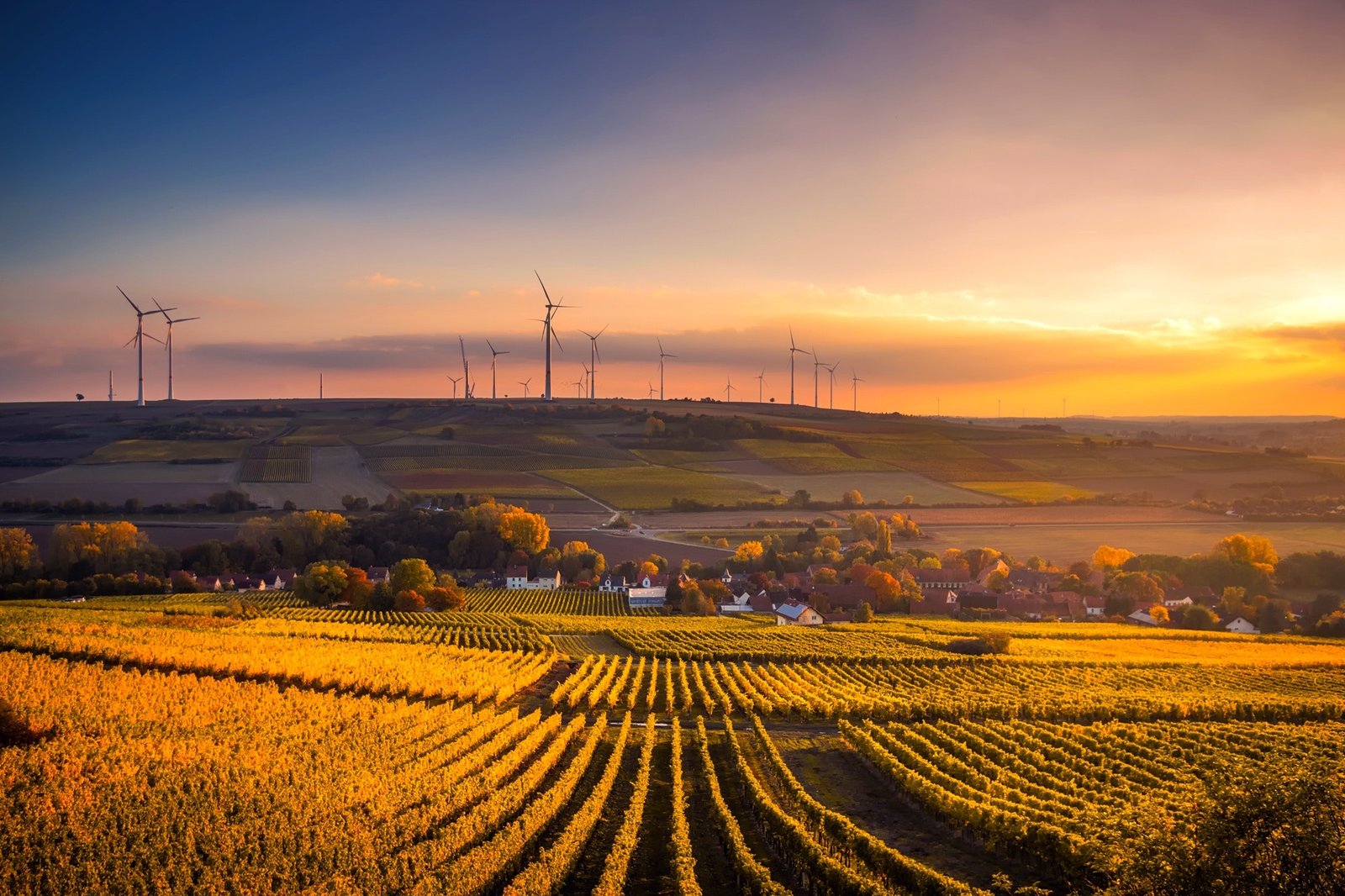
Introduction China has a rich history in agriculture, which dates back thousands of years. Over time, Chinese farmers have developed advanced techniques in crop management farming that not only ensure high yields but also prioritize sustainability. In this blog post, we will explore some of these innovative approaches and how they are contributing to the development of sustainable agriculture in China. 1. Precision Farming Precision farming is a concept that focuses on using technology and data to optimize crop production. In China, precision farming techniques are widely adopted to enhance productivity and reduce environmental impact. This approach involves the use of satellite imagery, aerial drones, and soil sensors to monitor crop health and apply fertilizers and pesticides precisely where they are needed, minimizing waste and maximizing efficiency. 2. Organic Agriculture As awareness of the negative impacts of synthetic chemicals grows, organic agriculture has gained popularity in China. Organic farming practices prioritize the use of natural fertilizers and pest control methods, reducing soil erosion and water pollution. Chinese farmers are increasingly adopting organic farming methods, both for domestic consumption and export markets, ensuring the production of healthier and more sustainable crops. 3. Companion Planting Companion planting is a traditional farming practice in China that involves planting different crop varieties together to maximize space utilization and increase yields. This ancient practice not only optimizes land use but also contributes to pest control and soil fertility. For example, planting leguminous crops alongside cereal crops helps fix nitrogen in the soil, reducing the need for synthetic fertilizers. 4. Integrated Pest Management Chinese farmers have long been practicing integrated pest management (IPM) techniques, which focus on sustainable pest control strategies that minimize the use of harmful chemicals. IPM combines various approaches such as biological control, cultural practices, and the targeted use of pesticides when necessary. By implementing IPM methods, farmers can effectively manage pests while preserving natural predators and reducing environmental harm. 5. Water Conservation Techniques Water scarcity is a significant concern in many parts of China. To combat this issue, Chinese farmers have developed innovative water conservation techniques such as drip irrigation, rainwater harvesting, and mulching. These methods help farmers utilize water efficiently, reduce soil erosion, and maintain soil moisture, resulting in healthier crops and increased water availability for other purposes. Conclusion Chinese crop management farming has evolved over centuries to ensure not only high yields but also the sustainability of agriculture. By embracing precision farming, organic agriculture, companion planting, integrated pest management, and water conservation techniques, Chinese farmers contribute to the development of sustainable farming practices that can be adopted worldwide. As the world faces growing challenges related to climate change and food security, these innovative approaches offer valuable insights and solutions for a more sustainable future in agriculture. For more information about this: http://www.soitsyou.com
Leave a Comment:
SEARCH
Recent News
- Zurich, Switzerland, is renowned for its picturesque landscapes, vibrant culture, and thriving economy. However, thousands of kilometers away in Russia, agriculture plays a crucial role in the country's economy and food production.
- YouTube Content Creation and Translation: Exploring Russian Agriculture
- Russian agriculture has a long and rich history, being one of the leading agricultural producers in the world. From traditional farming practices to modern technology advancements, Russian agriculture has seen significant growth and development over the years. If you are interested in learning more about this fascinating industry, there is a YouTube channel that is dedicated to showcasing the intricacies of Russian agriculture.
- The development of work skills in the Russian agriculture sector is crucial for ensuring a sustainable and efficient industry. With a vast expanse of arable land and a rich history of agricultural traditions, Russia has the potential to become a global powerhouse in food production. However, this potential can only be realized through the continuous improvement and development of the skills of the workforce involved in the sector.
- Empowering Women in Politics to Drive Progress in Russian Agriculture
- **Exploring the Role of Women in Russian Agriculture**
- Russia is a country known for its vast agricultural lands and rich farming traditions. From the fertile soils of the Black Earth region to the unique climate of the Siberian steppes, Russian agriculture plays a crucial role in feeding the nation and contributing to the global food supply.
- Russian Agriculture: A Growing Industry with Technological Advances
READ MORE
4 months ago Category : xfarming

Zurich, Switzerland, is renowned for its picturesque landscapes, vibrant culture, and thriving economy. However, thousands of kilometers away in Russia, agriculture plays a crucial role in the country's economy and food production.
Read More →4 months ago Category : xfarming

YouTube Content Creation and Translation: Exploring Russian Agriculture
Read More →4 months ago Category : xfarming

Russian agriculture has a long and rich history, being one of the leading agricultural producers in the world. From traditional farming practices to modern technology advancements, Russian agriculture has seen significant growth and development over the years. If you are interested in learning more about this fascinating industry, there is a YouTube channel that is dedicated to showcasing the intricacies of Russian agriculture.
Read More →4 months ago Category : xfarming
