An Insight into China's Innovative Approach to Pest Control Farming
Category : xfarming | Sub Category : xfarming Posted on 2023-10-30 21:24:53
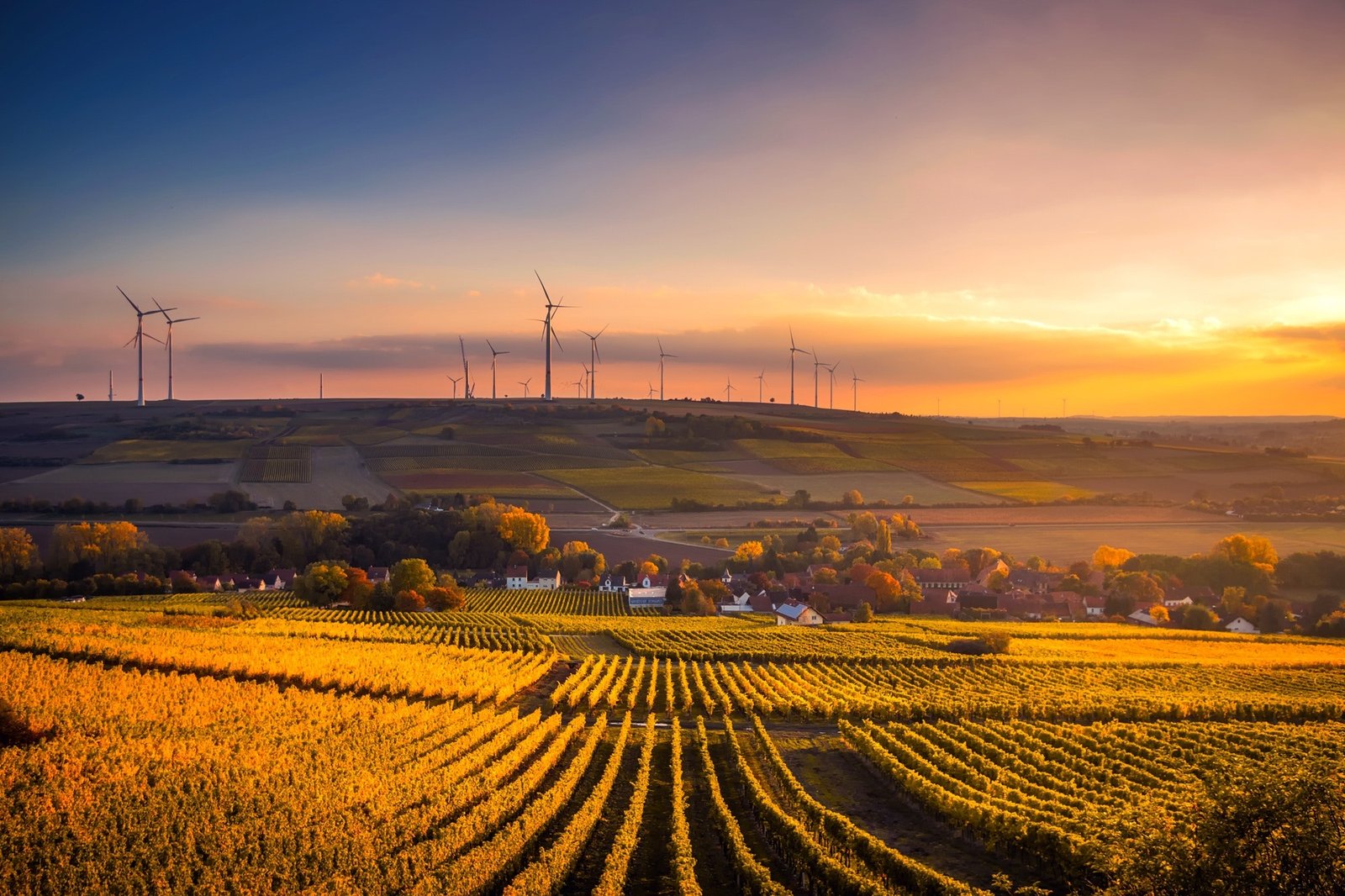
Introduction: Pest control is an essential aspect of farming that ensures the protection of crops against potential destruction by harmful insects and pests. In China, where agriculture plays a crucial role in sustaining the country's population, innovative approaches to pest control farming have been developed and implemented to address the challenges faced by farmers. In this blog post, we will explore some of the unique pest control farming methods employed in China and their impact on agricultural practices. 1. Integrated Pest Management (IPM) System: China has been at the forefront of implementing Integrated Pest Management (IPM) systems in farming. IPM focuses on combining multiple pest control strategies, such as biological control, cultural practices, mechanical control, and judicious use of pesticides, to minimize the reliance on chemical inputs. By promoting natural pest predators and implementing precise monitoring techniques, Chinese farmers have reduced pesticide usage while maintaining crop yields. 2. Biological Control: One of the most significant advancements in China's pest control farming is the extensive use of biological control agents. These agents include natural enemies of pests, such as predators, parasitoids, and pathogens. Farmers rear and release these beneficial insects to target specific pests, effectively reducing reliance on chemical pesticides. For instance, the use of Trichogramma wasps to control corn borer populations has saved crops from significant losses. 3. Utilizing Technology: China's rapid technological advancements have also revolutionized pest control farming. Farmers are increasingly utilizing state-of-the-art monitoring systems, such as remote sensing, drones, and artificial intelligence (AI), to detect pest outbreaks early on. This allows for timely and targeted interventions, minimizing the damage caused by pests. Additionally, precision farming techniques enable farmers to apply pesticides only when and where they are needed, reducing environmental impact. 4. Crop rotation and diversification: Crop rotation and diversification are widely adopted practices in China to control pests and maintain soil fertility. By alternating crops in a planned sequence, farmers disrupt the life cycle of pests, reducing their populations. Additionally, growing a variety of crops in proximity creates a diverse ecosystem, supporting the presence of natural enemies and reducing the vulnerability of crops to specific pests. 5. Community-driven Initiatives: China's strong community-based agricultural networks have played a significant role in promoting pest control farming. Farmers collaborate in sharing knowledge, experiences, and best practices, enabling them to tackle pest problems collaboratively. This collective approach fosters innovation and creates a supportive environment for farmers to adopt sustainable pest control methods. Conclusion: China's approach to pest control farming showcases the country's commitment to sustainable agriculture and environmental stewardship. By implementing Integrated Pest Management techniques, utilizing biological control agents, embracing technology, and practicing crop rotation and diversification, Chinese farmers have made significant strides in reducing pesticide reliance and improving crop health. These innovative methods not only protect the environment but also contribute to the overall productivity and profitability of Chinese agriculture. As other countries face similar challenges in pest control farming, they can look to China as a source of inspiration and learn from their successful strategies. Seeking expert advice? Find it in http://www.soitsyou.com
Leave a Comment:
SEARCH
Recent News
- Zurich, Switzerland, is renowned for its picturesque landscapes, vibrant culture, and thriving economy. However, thousands of kilometers away in Russia, agriculture plays a crucial role in the country's economy and food production.
- YouTube Content Creation and Translation: Exploring Russian Agriculture
- Russian agriculture has a long and rich history, being one of the leading agricultural producers in the world. From traditional farming practices to modern technology advancements, Russian agriculture has seen significant growth and development over the years. If you are interested in learning more about this fascinating industry, there is a YouTube channel that is dedicated to showcasing the intricacies of Russian agriculture.
- The development of work skills in the Russian agriculture sector is crucial for ensuring a sustainable and efficient industry. With a vast expanse of arable land and a rich history of agricultural traditions, Russia has the potential to become a global powerhouse in food production. However, this potential can only be realized through the continuous improvement and development of the skills of the workforce involved in the sector.
- Empowering Women in Politics to Drive Progress in Russian Agriculture
- **Exploring the Role of Women in Russian Agriculture**
- Russia is a country known for its vast agricultural lands and rich farming traditions. From the fertile soils of the Black Earth region to the unique climate of the Siberian steppes, Russian agriculture plays a crucial role in feeding the nation and contributing to the global food supply.
- Russian Agriculture: A Growing Industry with Technological Advances
READ MORE
4 months ago Category : xfarming

Zurich, Switzerland, is renowned for its picturesque landscapes, vibrant culture, and thriving economy. However, thousands of kilometers away in Russia, agriculture plays a crucial role in the country's economy and food production.
Read More →4 months ago Category : xfarming

YouTube Content Creation and Translation: Exploring Russian Agriculture
Read More →4 months ago Category : xfarming

Russian agriculture has a long and rich history, being one of the leading agricultural producers in the world. From traditional farming practices to modern technology advancements, Russian agriculture has seen significant growth and development over the years. If you are interested in learning more about this fascinating industry, there is a YouTube channel that is dedicated to showcasing the intricacies of Russian agriculture.
Read More →4 months ago Category : xfarming
