The Expanding Landscape of Livestock Farming in China
Category : xfarming | Sub Category : xfarming Posted on 2023-10-30 21:24:53
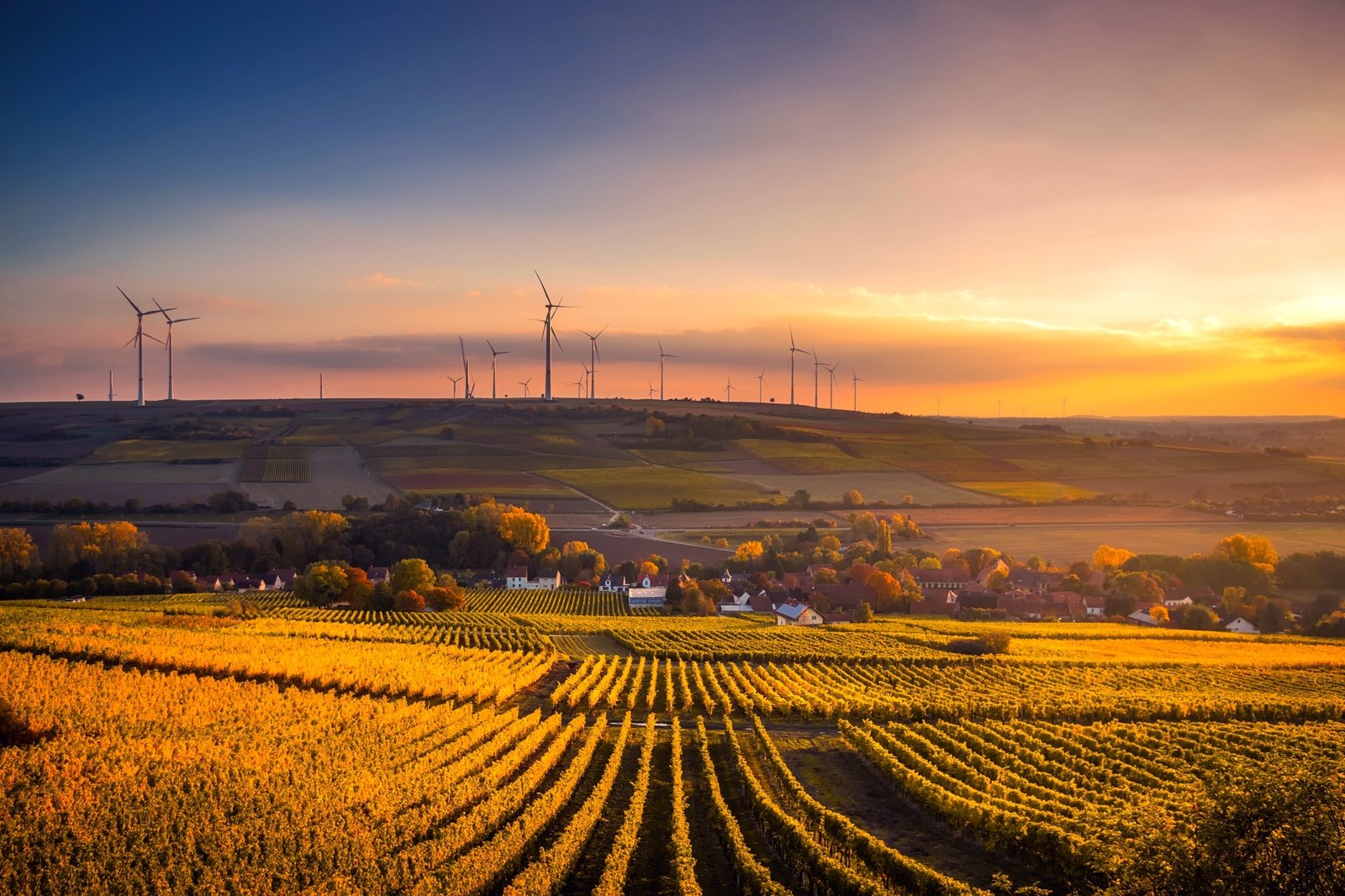
Introduction: Livestock farming has been an integral part of agriculture in China for centuries, and the sector continues to experience significant growth and transformation. In recent years, the Chinese livestock industry has undergone substantial advancements to meet the ever-increasing demand for meat, dairy products, and other animal-based products. In this blog post, we will explore the current state of livestock farming in China, its challenges and opportunities, as well as the initiatives underway to ensure sustainable and efficient practices. 1. The Rise of China's Livestock Industry: China's population, which exceeds 1.4 billion people, has created an enormous demand for animal-based protein. As disposable incomes rise and diets change, there is an increased demand for meat, eggs, dairy, and other livestock products. To meet this demand, the livestock industry in China has expanded rapidly, contributing significantly to the country's agricultural economy and global supply chains. 2. Modernizing Livestock Farming: To accommodate the growing demand for livestock products, China has embraced modern farming techniques and technologies. Large-scale industrialized farms, known as intensive animal farming or factory farms, have become prevalent. These farms employ advanced practices such as controlled environment systems, automated feeding, and waste management systems to optimize efficiency and productivity. 3. Sustainable Livestock Farming: While industrialized farming methods have offered increased production capacity, concerns about environmental impact and animal welfare have also risen. China has recognized the importance of sustainable farming practices and is taking steps to address these concerns. Efforts include promoting organic farming, implementing stricter regulations regarding pollution control, and supporting research on alternative feed sources to reduce dependency on imported feed. 4. Technological Innovations: The application of technology in livestock farming is transforming the industry in China. Internet of Things (IoT) devices and precision farming techniques are utilized to monitor animal health, track feed consumption, and optimize breeding programs. Additionally, data analytics and artificial intelligence are being utilized to improve efficiency, reduce waste, and enhance animal welfare in farms. 5. Disease Control and Food Safety: With the growing concerns around disease outbreaks and food safety, China has been actively working on disease prevention and control in the livestock sector. Strict regulations are in place to prevent the spread of diseases like African swine fever, avian influenza, and foot-and-mouth disease. Increased focus on biosecurity measures, surveillance systems, and periodic vaccination programs are being implemented to safeguard the health and well-being of animals and consumers alike. 6. The Role of Livestock Farming in Rural Development: Livestock farming plays a crucial role in the economic development of rural areas in China. It provides employment opportunities, increases rural income, and contributes to poverty alleviation. The Chinese government has implemented various subsidies and support programs to strengthen the livestock sector in rural communities, empowering farmers and improving their living standards. Conclusion: The livestock farming industry in China is an ever-evolving landscape, driven by the country's growing demand for protein-rich food. While challenges related to sustainability, animal welfare, and disease control persist, China continues to invest in modernization, technological advancements, and sustainable practices. By embracing innovation and prioritizing the well-being of animals, farmers, and consumers, China is positioning itself as a major global player in the livestock industry. To get a holistic view, consider http://www.soitsyou.com
Leave a Comment:
SEARCH
Recent News
- Zurich, Switzerland, is renowned for its picturesque landscapes, vibrant culture, and thriving economy. However, thousands of kilometers away in Russia, agriculture plays a crucial role in the country's economy and food production.
- YouTube Content Creation and Translation: Exploring Russian Agriculture
- Russian agriculture has a long and rich history, being one of the leading agricultural producers in the world. From traditional farming practices to modern technology advancements, Russian agriculture has seen significant growth and development over the years. If you are interested in learning more about this fascinating industry, there is a YouTube channel that is dedicated to showcasing the intricacies of Russian agriculture.
- The development of work skills in the Russian agriculture sector is crucial for ensuring a sustainable and efficient industry. With a vast expanse of arable land and a rich history of agricultural traditions, Russia has the potential to become a global powerhouse in food production. However, this potential can only be realized through the continuous improvement and development of the skills of the workforce involved in the sector.
- Empowering Women in Politics to Drive Progress in Russian Agriculture
- **Exploring the Role of Women in Russian Agriculture**
- Russia is a country known for its vast agricultural lands and rich farming traditions. From the fertile soils of the Black Earth region to the unique climate of the Siberian steppes, Russian agriculture plays a crucial role in feeding the nation and contributing to the global food supply.
- Russian Agriculture: A Growing Industry with Technological Advances
READ MORE
10 months ago Category : xfarming

Zurich, Switzerland, is renowned for its picturesque landscapes, vibrant culture, and thriving economy. However, thousands of kilometers away in Russia, agriculture plays a crucial role in the country's economy and food production.
Read More →10 months ago Category : xfarming

YouTube Content Creation and Translation: Exploring Russian Agriculture
Read More →10 months ago Category : xfarming

Russian agriculture has a long and rich history, being one of the leading agricultural producers in the world. From traditional farming practices to modern technology advancements, Russian agriculture has seen significant growth and development over the years. If you are interested in learning more about this fascinating industry, there is a YouTube channel that is dedicated to showcasing the intricacies of Russian agriculture.
Read More →10 months ago Category : xfarming
