Exploring the Future of Agriculture: China's Hydroponic Farming
Category : xfarming | Sub Category : xfarming Posted on 2023-10-30 21:24:53
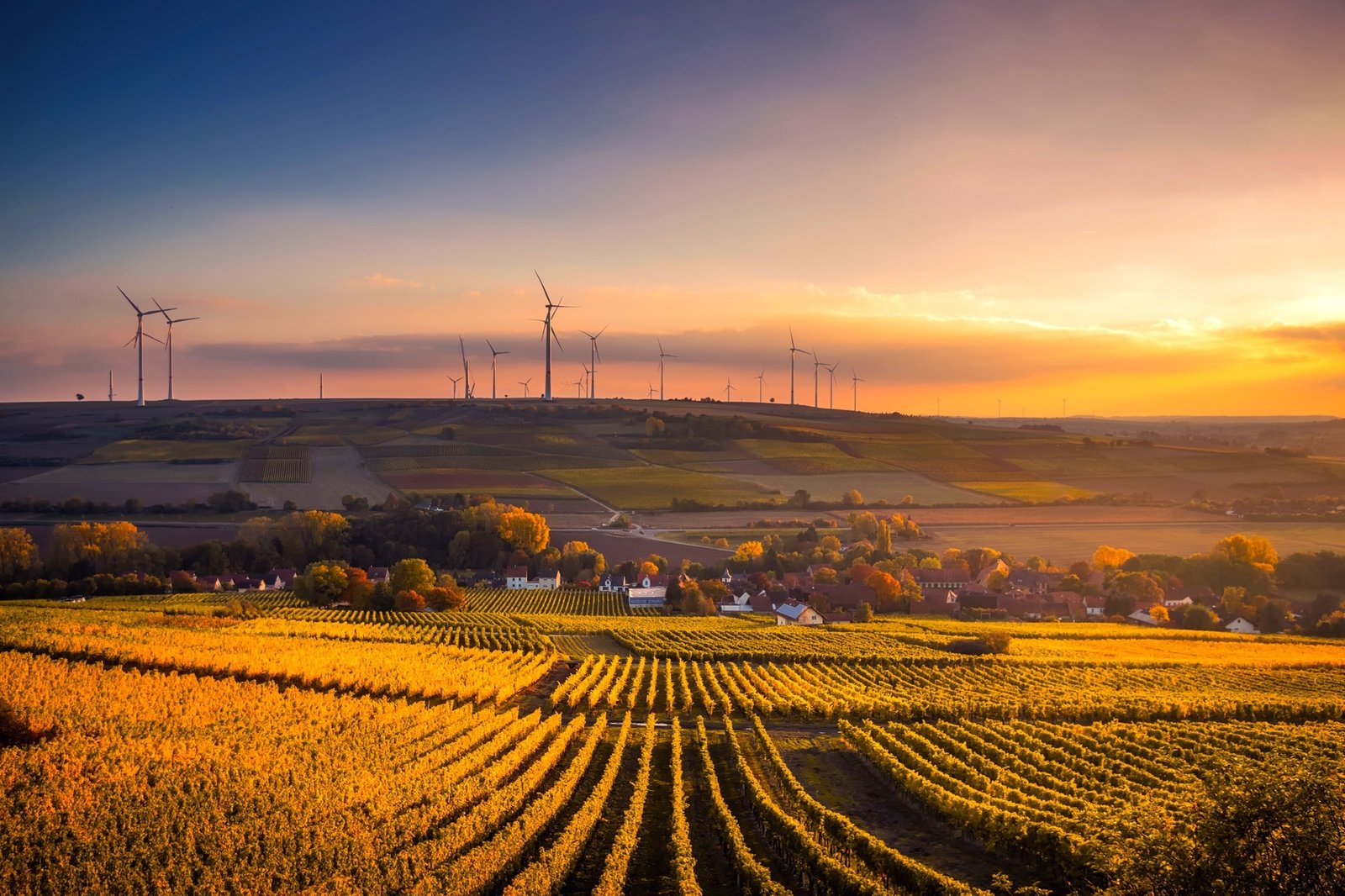
Introduction: In recent years, the global demand for sustainable and efficient agricultural practices has led to the rise of hydroponic farming. While this method has gained popularity worldwide, China has emerged as a frontrunner in adopting hydroponic farming on a massive scale. In this article, we will explore the growing trend of hydroponic farming in China, its benefits, and its potential to revolutionize the future of agriculture. 1. What is hydroponic farming? Hydroponic farming refers to a soil-less technique of growing plants in a nutrient-rich water solution. This method relies on the precise delivery of essential nutrients directly to the plant roots, allowing for optimal growth and higher yields. Unlike conventional farming, hydroponics eliminates the need for soil, thus reducing water usage, eliminating pesticides, and maximizing land utilization. 2. The rise of hydroponic farming in China: China's immense population and shrinking arable land have prompted the country to seek alternative methods for food production. Hydroponic farming has become a viable solution, and China has been at the forefront of its adoption. The country's advanced technology, agricultural expertise, and government support have created a conducive environment for the growth of this innovative farming technique. 3. Advantages of hydroponic farming in China: a) Increased crop yield: Hydroponic farming in China has proven to be remarkably efficient in terms of yield. The controlled environment allows for year-round production, eliminating the constraints imposed by weather conditions and seasonal changes. This leads to significantly higher crop output compared to traditional farming methods. b) Water conservation: China's water scarcity issues are well-documented. Hydroponic systems enable water conservation by using up to 90% less water compared to traditional agriculture. The water is recirculated within the system, minimizing wastage and ensuring efficient resource utilization. c) Reduced environmental impact: Hydroponic farming eliminates or reduces the need for pesticides and herbicides, leading to a smaller ecological footprint. By removing the dependency on soil, the risk of soil erosion and degradation is also mitigated. Additionally, the controlled environment of hydroponic systems enables optimal resource management, minimizing pollution and nutrient runoff. 4. Challenges and future prospects: While hydroponic farming in China has shown immense potential, it is not without challenges. The initial investment required for setting up hydroponic farms can be substantial. However, as technology becomes more affordable and knowledge dissemination improves, these barriers are gradually being overcome. In the future, hydroponic farming in China is expected to continue expanding. With its track record of innovation and advancements, the country is likely to pave the way for large-scale adoption and commercialization of hydroponic systems. This will not only address China's own agricultural concerns but also serve as a valuable example for other countries facing similar challenges. Conclusion: China's embrace of hydroponic farming is a testament to its commitment to sustainable and efficient agriculture. Through this innovative farming technique, the country is working towards ensuring food security, conserving resources, and reducing the environmental impact of food production. With China leading the way, hydroponic farming has the potential to revolutionize the future of agriculture globally, offering a promising solution to feeding a growing population while protecting the planet. Explore this subject further for a deeper understanding. http://www.soitsyou.com
Leave a Comment:
SEARCH
Recent News
- Zurich, Switzerland, is renowned for its picturesque landscapes, vibrant culture, and thriving economy. However, thousands of kilometers away in Russia, agriculture plays a crucial role in the country's economy and food production.
- YouTube Content Creation and Translation: Exploring Russian Agriculture
- Russian agriculture has a long and rich history, being one of the leading agricultural producers in the world. From traditional farming practices to modern technology advancements, Russian agriculture has seen significant growth and development over the years. If you are interested in learning more about this fascinating industry, there is a YouTube channel that is dedicated to showcasing the intricacies of Russian agriculture.
- The development of work skills in the Russian agriculture sector is crucial for ensuring a sustainable and efficient industry. With a vast expanse of arable land and a rich history of agricultural traditions, Russia has the potential to become a global powerhouse in food production. However, this potential can only be realized through the continuous improvement and development of the skills of the workforce involved in the sector.
- Empowering Women in Politics to Drive Progress in Russian Agriculture
- **Exploring the Role of Women in Russian Agriculture**
- Russia is a country known for its vast agricultural lands and rich farming traditions. From the fertile soils of the Black Earth region to the unique climate of the Siberian steppes, Russian agriculture plays a crucial role in feeding the nation and contributing to the global food supply.
- Russian Agriculture: A Growing Industry with Technological Advances
READ MORE
11 months ago Category : xfarming

Zurich, Switzerland, is renowned for its picturesque landscapes, vibrant culture, and thriving economy. However, thousands of kilometers away in Russia, agriculture plays a crucial role in the country's economy and food production.
Read More →11 months ago Category : xfarming

YouTube Content Creation and Translation: Exploring Russian Agriculture
Read More →11 months ago Category : xfarming

Russian agriculture has a long and rich history, being one of the leading agricultural producers in the world. From traditional farming practices to modern technology advancements, Russian agriculture has seen significant growth and development over the years. If you are interested in learning more about this fascinating industry, there is a YouTube channel that is dedicated to showcasing the intricacies of Russian agriculture.
Read More →11 months ago Category : xfarming
