Exploring Farm-to-Table Food in China: A Culinary Journey
Category : xfarming | Sub Category : xfarming Posted on 2023-10-30 21:24:53
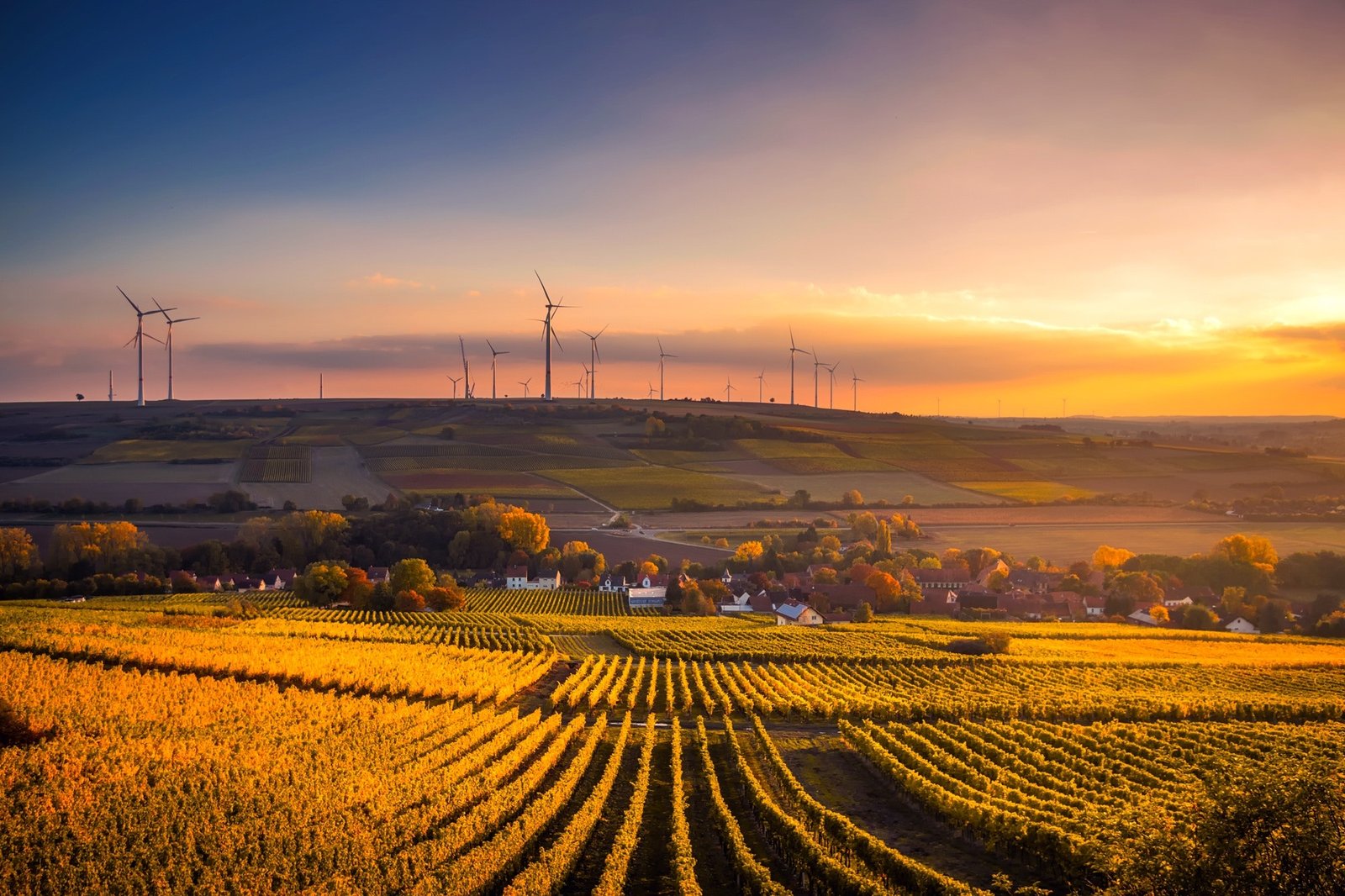
Introduction: Farm-to-table food has become a global trend in recent years, highlighting the importance of fresh, locally sourced ingredients in our diets. China, with its rich agricultural heritage and diverse culinary traditions, has embraced this concept wholeheartedly. In this blog post, we will delve into the fascinating world of farm-to-table food in China, exploring the principles behind it, its benefits, and some notable examples of this culinary movement. 1. Understanding the Farm-to-Table Concept in China: Farm-to-table in China is a philosophy that emphasizes sustainability, health, and supporting local agricultural communities. By connecting consumers directly to farmers, it reduces the distance and processing involved in bringing food to the table. This approach promotes transparency and encourages the use of seasonal, organic ingredients, resulting in healthier and more flavorful dishes. 2. The Benefits of Farm-to-Table Food: a) Fresher and Healthier: The direct sourcing of ingredients ensures that they are harvested at the peak of freshness, maximizing their nutritional value. Furthermore, farm-to-table food in China often avoids the use of additives and pesticides. b) Environmental Sustainability: By sourcing produce locally, the carbon footprint associated with transporting and storing food over long distances is significantly reduced. Additionally, organic farming practices employed in many farm-to-table establishments promote soil health and biodiversity. c) Support for Local Farmers: Engaging in the farm-to-table movement helps sustain local agricultural communities by creating a direct market for their products. This, in turn, fosters economic stability and food security for rural areas. 3. Farm-to-Table Experiences in China: a) Shanghai Urban Farming: In the bustling city of Shanghai, innovative urban farming initiatives have emerged, such as rooftop gardens and vertical farms. These urban farms supply fresh produce to nearby restaurants, ensuring that the farm-to-table concept reaches the heart of the city. b) Yunnan Province's Organic Farms: Yunnan, known as China's 'Garden of Eden', is home to a multitude of organic farms. These farms utilize sustainable farming methods and offer picturesque settings for visitors to learn about agriculture and enjoy farm-fresh meals. c) Beijing's Farmers' Markets: Beijing's farmers' markets have gained popularity among locals and expatriates alike. Drawing farmers from the surrounding countryside, these markets provide an opportunity to directly purchase organic produce, supporting local farmers while enjoying the freshest ingredients China has to offer. 4. Farm-to-Table: Influencing Chinese Cuisine: The farm-to-table movement has influenced Chinese chefs to focus on using local ingredients and traditional cooking techniques. By reviving forgotten recipes and sourcing ingredients directly from farmers, they create unique dishes that celebrate regional flavors and preserve cultural heritage. Conclusion: China's farm-to-table movement is transforming the way people approach food, emphasizing the importance of sustainable agriculture, seasonality, and supporting local farmers. As more individuals embrace this culinary trend, farm-to-table restaurants and initiatives continue to flourish across the country. By prioritizing the values of freshness, health, and sustainability, visitors and locals alike can experience the vibrant flavors and nutritional benefits of farm-to-table food in China. For a different perspective, see: http://www.deleci.com Looking for expert opinions? Find them in http://www.soitsyou.com Seeking answers? You might find them in http://www.eatnaturals.com Expand your knowledge by perusing http://www.mimidate.com
Leave a Comment:
SEARCH
Recent News
- Zurich, Switzerland, is renowned for its picturesque landscapes, vibrant culture, and thriving economy. However, thousands of kilometers away in Russia, agriculture plays a crucial role in the country's economy and food production.
- YouTube Content Creation and Translation: Exploring Russian Agriculture
- Russian agriculture has a long and rich history, being one of the leading agricultural producers in the world. From traditional farming practices to modern technology advancements, Russian agriculture has seen significant growth and development over the years. If you are interested in learning more about this fascinating industry, there is a YouTube channel that is dedicated to showcasing the intricacies of Russian agriculture.
- The development of work skills in the Russian agriculture sector is crucial for ensuring a sustainable and efficient industry. With a vast expanse of arable land and a rich history of agricultural traditions, Russia has the potential to become a global powerhouse in food production. However, this potential can only be realized through the continuous improvement and development of the skills of the workforce involved in the sector.
- Empowering Women in Politics to Drive Progress in Russian Agriculture
- **Exploring the Role of Women in Russian Agriculture**
- Russia is a country known for its vast agricultural lands and rich farming traditions. From the fertile soils of the Black Earth region to the unique climate of the Siberian steppes, Russian agriculture plays a crucial role in feeding the nation and contributing to the global food supply.
- Russian Agriculture: A Growing Industry with Technological Advances
READ MORE
10 months ago Category : xfarming

Zurich, Switzerland, is renowned for its picturesque landscapes, vibrant culture, and thriving economy. However, thousands of kilometers away in Russia, agriculture plays a crucial role in the country's economy and food production.
Read More →10 months ago Category : xfarming

YouTube Content Creation and Translation: Exploring Russian Agriculture
Read More →10 months ago Category : xfarming

Russian agriculture has a long and rich history, being one of the leading agricultural producers in the world. From traditional farming practices to modern technology advancements, Russian agriculture has seen significant growth and development over the years. If you are interested in learning more about this fascinating industry, there is a YouTube channel that is dedicated to showcasing the intricacies of Russian agriculture.
Read More →10 months ago Category : xfarming
