The Top 5 Must-Read Books on Organic Farming
Category : xfarming | Sub Category : xfarming Posted on 2023-10-30 21:24:53
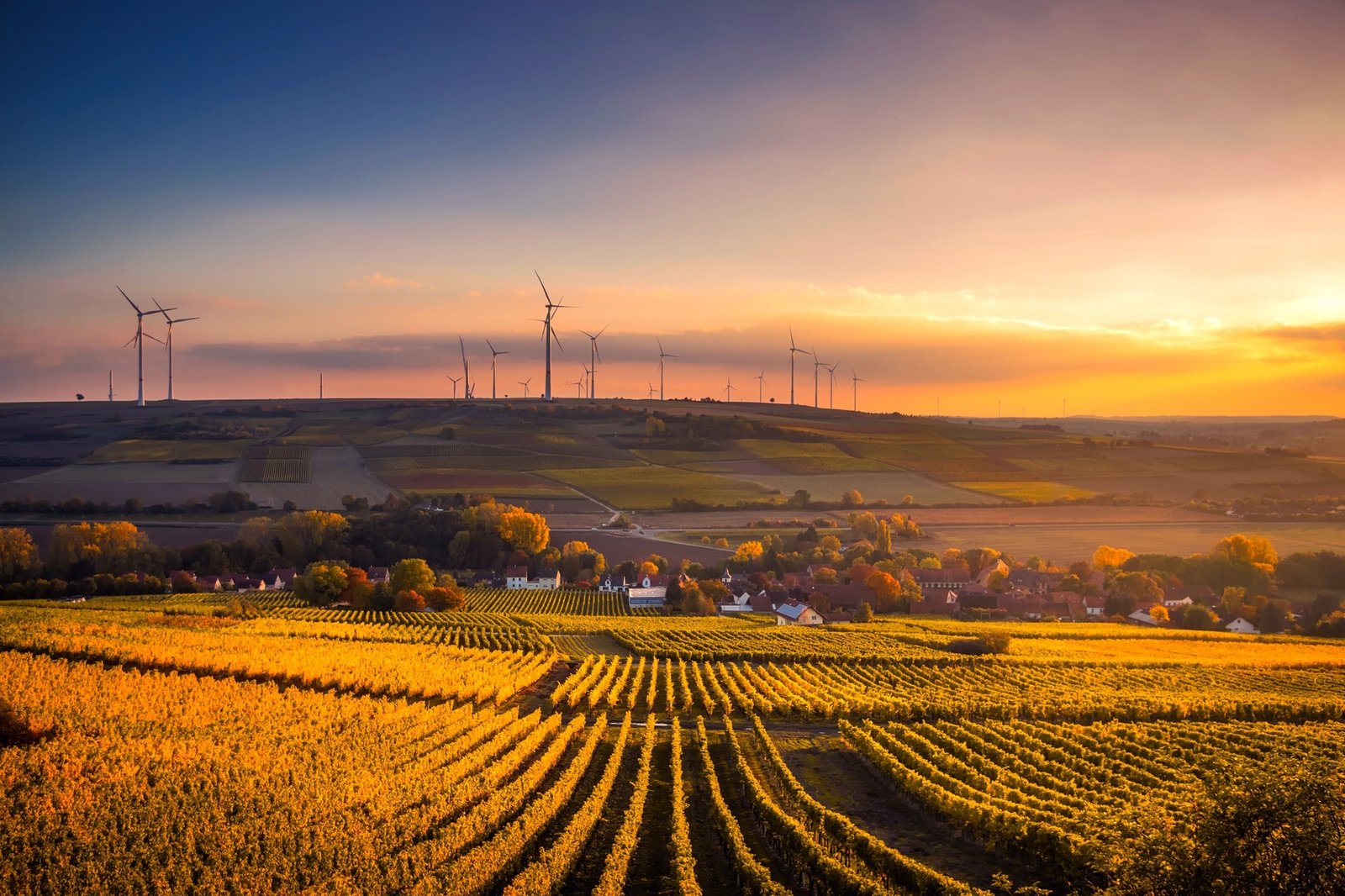
Introduction: Organic farming is gaining popularity due to its environmental and health benefits. If you're interested in getting involved in this sustainable practice, there's nothing better than educating yourself through books. In this blog post, we've compiled a list of the top 5 must-read books on organic farming. These books cover a wide range of topics, from understanding the principles of organic farming to implementing sustainable techniques on your own farm. So, let's dive in and discover the wealth of knowledge available through these invaluable reads. 1. "The Organic Farmer's Business Handbook: A Complete Guide to Managing Finances, Crops, and Staff and Making a Profit" by Richard Wiswall: This comprehensive guide is a go-to resource for those interested in both the practical and business aspects of organic farming. Richard Wiswall, an experienced farmer and businessperson, shares his insights on running a successful organic farm economically. From planning and budgeting to marketing and sales strategies, this book offers step-by-step guidance to help maximize profits while adhering to organic farming principles. 2. "The Organic Farming Manual: A Comprehensive Guide to Starting and Running a Certified Organic Farm" by Ann Larkin Hansen: This manual is an essential resource for beginners and experienced farmers alike. It provides detailed information on various organic farming practices, including soil management, pest control, crop rotation, and the certification process. Ann Larkin Hansen's practical advice, accompanied by helpful illustrations, makes it easier to understand and implement organic farming techniques. 3. "The Organic Farmer's Handbook: A User's Manual for Managing Soil and Crops" by Frank Tozer: Frank Tozer's book focuses on one of the most vital aspects of organic farming soil management. This guide provides an in-depth understanding of soil fertility, nutrient management, composting, and cover cropping. By learning how to improve and maintain a healthy soil ecosystem, organic farmers can enhance their crop yields and contribute to long-term sustainability. 4. "The Organic Seed Grower: A Farmer's Guide to Vegetable Seed Production" by John Navazio: For those interested in seed saving and sustainable agriculture, this book is a treasure trove of knowledge. John Navazio's expertise as both a farmer and plant breeder shines through in this comprehensive guide. From selecting appropriate varieties to harvesting, processing, and storing seeds, this book covers every aspect of organic seed production. 5. "The Organic Medicinal Herb Farmer: The Ultimate Guide to Producing High-Quality Herbs on a Market Scale" by Jeff Carpenter and Melanie Carpenter: Herb farming provides an excellent opportunity for small-scale organic farmers to diversify their crops and boost their income. This book emphasizes the cultivation and marketing of organic medicinal herbs. Jeff and Melanie Carpenter share their valuable experience, covering topics such as site selection, propagation, cultivation techniques, and harvest and post-harvest processes. Whether you're a beginner or an experienced herb grower, this guide will equip you with the knowledge needed to succeed. Conclusion: Reading books on organic farming can provide you with invaluable insights into sustainable practices, business strategies, and crop management techniques. The top 5 must-read books mentioned in this blog post cover a wide range of topics, making them a perfect starting point for anyone interested in venturing into organic farming. So, pick up these books, delve into the world of organic farming, and embark on your journey towards a more sustainable future. For a broader exploration, take a look at http://www.rollerbooks.com
Leave a Comment:
SEARCH
Recent News
- Zurich, Switzerland, is renowned for its picturesque landscapes, vibrant culture, and thriving economy. However, thousands of kilometers away in Russia, agriculture plays a crucial role in the country's economy and food production.
- YouTube Content Creation and Translation: Exploring Russian Agriculture
- Russian agriculture has a long and rich history, being one of the leading agricultural producers in the world. From traditional farming practices to modern technology advancements, Russian agriculture has seen significant growth and development over the years. If you are interested in learning more about this fascinating industry, there is a YouTube channel that is dedicated to showcasing the intricacies of Russian agriculture.
- The development of work skills in the Russian agriculture sector is crucial for ensuring a sustainable and efficient industry. With a vast expanse of arable land and a rich history of agricultural traditions, Russia has the potential to become a global powerhouse in food production. However, this potential can only be realized through the continuous improvement and development of the skills of the workforce involved in the sector.
- Empowering Women in Politics to Drive Progress in Russian Agriculture
- **Exploring the Role of Women in Russian Agriculture**
- Russia is a country known for its vast agricultural lands and rich farming traditions. From the fertile soils of the Black Earth region to the unique climate of the Siberian steppes, Russian agriculture plays a crucial role in feeding the nation and contributing to the global food supply.
- Russian Agriculture: A Growing Industry with Technological Advances
READ MORE
10 months ago Category : xfarming

Zurich, Switzerland, is renowned for its picturesque landscapes, vibrant culture, and thriving economy. However, thousands of kilometers away in Russia, agriculture plays a crucial role in the country's economy and food production.
Read More →10 months ago Category : xfarming

YouTube Content Creation and Translation: Exploring Russian Agriculture
Read More →10 months ago Category : xfarming

Russian agriculture has a long and rich history, being one of the leading agricultural producers in the world. From traditional farming practices to modern technology advancements, Russian agriculture has seen significant growth and development over the years. If you are interested in learning more about this fascinating industry, there is a YouTube channel that is dedicated to showcasing the intricacies of Russian agriculture.
Read More →10 months ago Category : xfarming
