The Future of Sustainable Food: Exploring Vertical Farming
Category : xfarming | Sub Category : xfarming Posted on 2023-10-30 21:24:53
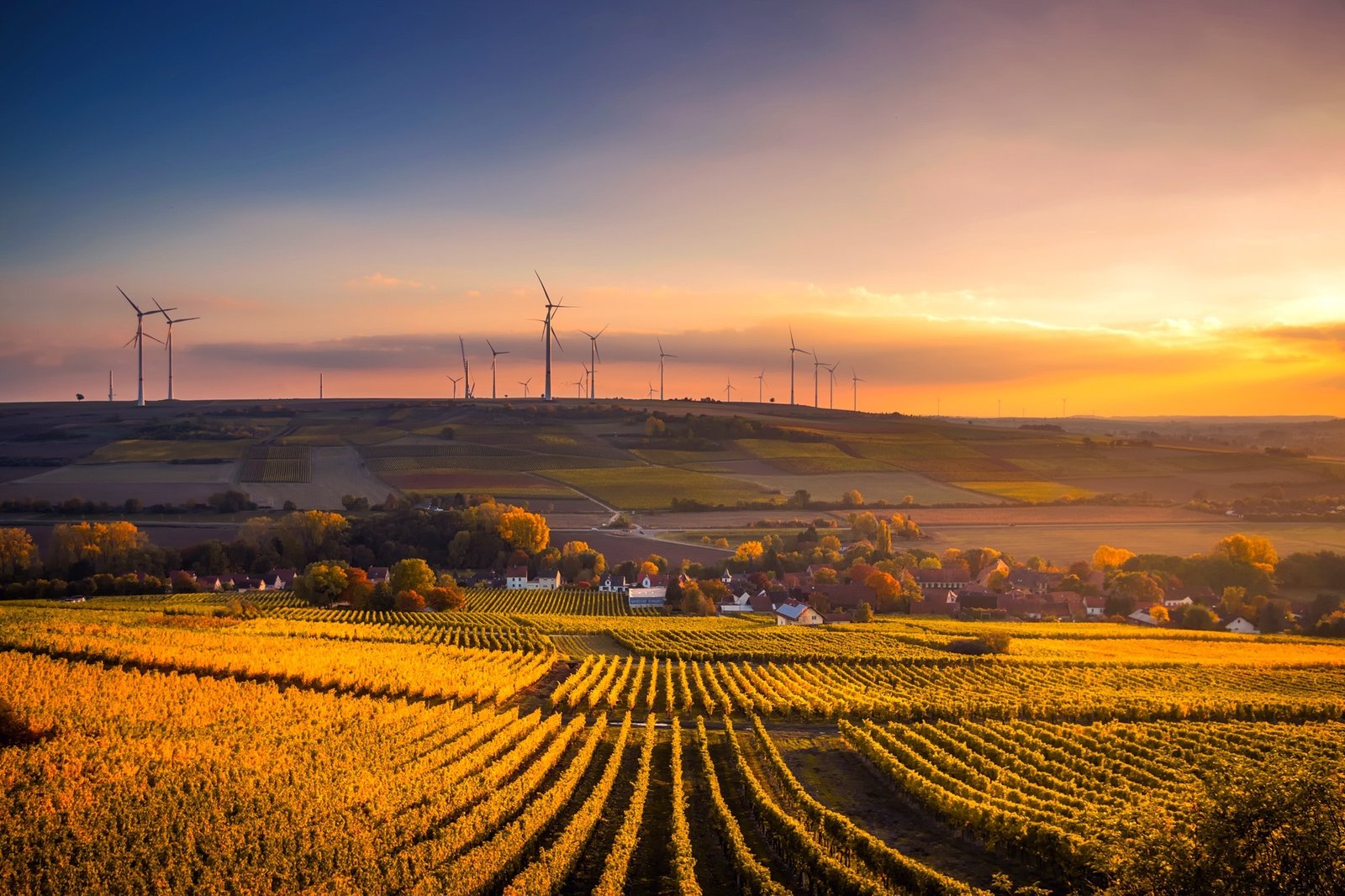
Introduction: In recent years, there has been a growing interest in sustainable food production methods that can meet the increasing demands of a rapidly growing global population while minimizing the negative impacts on the environment. One such innovative solution is vertical farming. In this blog post, we will delve into the concept of vertical farming and why it is becoming an essential component of the biofood movement. What is Vertical Farming? Vertical farming, also known as indoor farming or urban farming, is a method of growing crops vertically in stacked layers, utilizing artificial lighting and controlled environments. These vertical farms can be established in urban areas, close to consumers, reducing reliance on long-distance transportation and minimizing carbon emissions. Vertical farming utilizes techniques like hydroponics (growing plants without soil, in nutrient-rich water) or aeroponics (growing plants in a mist or air environment) to provide optimal growing conditions. Benefits of Vertical Farming: 1. Year-round farming: Vertical farming allows for year-round crop production, regardless of the external weather conditions. This means that farmers can produce fresh, locally grown food consistently, without relying on seasonal variations. 2. Increased crop yield: The controlled environment in vertical farms enables farmers to optimize growing conditions, including temperature, humidity, and lighting, to maximize crop yields. Additionally, vertical farms can achieve higher production density by utilizing vertical space, resulting in increased overall crop output. 3. Resource efficiency: One of the most significant advantages of vertical farming is its efficient use of resources. By utilizing techniques like hydroponics, vertical farms can reduce water use by up to 90% compared to traditional farming methods. Similarly, vertical farming requires much less land and eliminates the need for pesticides and herbicides. 4. Reduced transportation and carbon footprint: Vertical farms can be established in urban areas or even inside buildings, bringing the production closer to the consumers. This reduces the distance food needs to travel, resulting in reduced transportation costs and lower carbon emissions associated with long-distance transportation. 5. Freshness and quality: In vertical farms, produce can be harvested at its peak ripeness. With shorter distances between the farm and the consumer, the produce reaches consumers faster, ensuring freshness and maximum nutrient content. Challenges and Future Outlook: While vertical farming holds immense potential, there are some challenges that need to be addressed. The initial setup costs for vertical farms can be higher compared to traditional farming methods. Additionally, the energy required to power artificial lighting can be significant. However, technological advancements and increasing demand for sustainable food solutions are driving research and development in this field. The future of vertical farming looks promising. As technologies continue to evolve and economies of scale come into play, the costs associated with vertical farming are expected to decrease. This, coupled with the growing interest in sustainable and locally grown produce, makes vertical farming a viable solution for the future of food production. Conclusion: Vertical farming is revolutionizing the way we think about food production by addressing the challenges of traditional agriculture while offering numerous benefits. From year-round farming and increased crop yields to resource efficiency and reduced carbon footprint, vertical farming is paving the way for a more sustainable and resilient food system. As the demand for sustainable food options grows, vertical farming is not just a trend; it is a critical component of the biofood movement and a glimpse into the future of agriculture. You can also check following website for more information about this subject: http://www.deleci.com Seeking answers? You might find them in http://www.eatnaturals.com Expand your knowledge by perusing http://www.biofitnesslab.com sources: http://www.mimidate.com
Leave a Comment:
SEARCH
Recent News
- Zurich, Switzerland, is renowned for its picturesque landscapes, vibrant culture, and thriving economy. However, thousands of kilometers away in Russia, agriculture plays a crucial role in the country's economy and food production.
- YouTube Content Creation and Translation: Exploring Russian Agriculture
- Russian agriculture has a long and rich history, being one of the leading agricultural producers in the world. From traditional farming practices to modern technology advancements, Russian agriculture has seen significant growth and development over the years. If you are interested in learning more about this fascinating industry, there is a YouTube channel that is dedicated to showcasing the intricacies of Russian agriculture.
- The development of work skills in the Russian agriculture sector is crucial for ensuring a sustainable and efficient industry. With a vast expanse of arable land and a rich history of agricultural traditions, Russia has the potential to become a global powerhouse in food production. However, this potential can only be realized through the continuous improvement and development of the skills of the workforce involved in the sector.
- Empowering Women in Politics to Drive Progress in Russian Agriculture
- **Exploring the Role of Women in Russian Agriculture**
- Russia is a country known for its vast agricultural lands and rich farming traditions. From the fertile soils of the Black Earth region to the unique climate of the Siberian steppes, Russian agriculture plays a crucial role in feeding the nation and contributing to the global food supply.
- Russian Agriculture: A Growing Industry with Technological Advances
READ MORE
10 months ago Category : xfarming

Zurich, Switzerland, is renowned for its picturesque landscapes, vibrant culture, and thriving economy. However, thousands of kilometers away in Russia, agriculture plays a crucial role in the country's economy and food production.
Read More →10 months ago Category : xfarming

YouTube Content Creation and Translation: Exploring Russian Agriculture
Read More →10 months ago Category : xfarming

Russian agriculture has a long and rich history, being one of the leading agricultural producers in the world. From traditional farming practices to modern technology advancements, Russian agriculture has seen significant growth and development over the years. If you are interested in learning more about this fascinating industry, there is a YouTube channel that is dedicated to showcasing the intricacies of Russian agriculture.
Read More →10 months ago Category : xfarming
