Enhancing Soil Health and Sustainable Farming Practices through Biofood
Category : xfarming | Sub Category : xfarming Posted on 2023-10-30 21:24:53
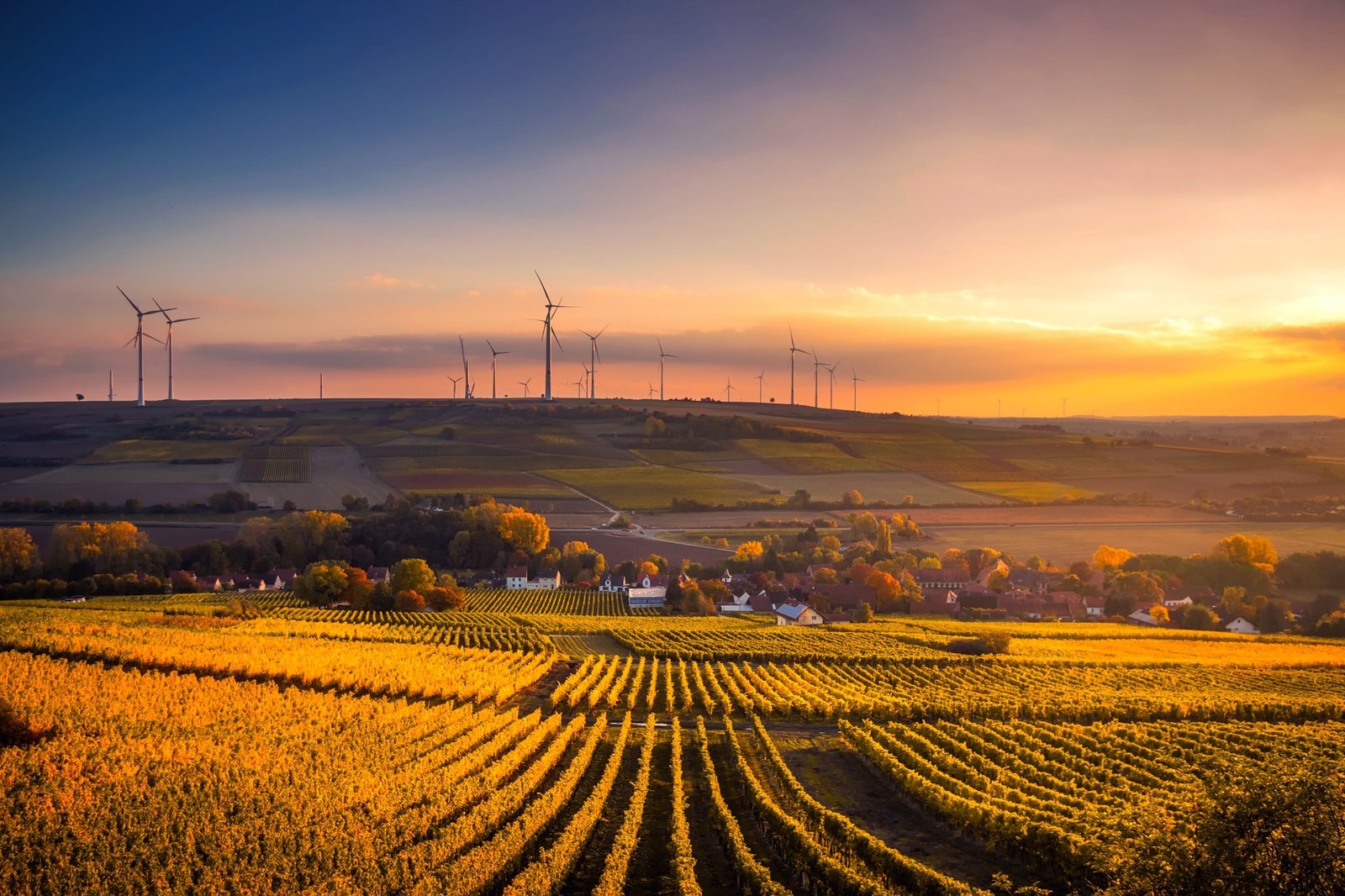
Introduction: In today's rapidly changing world, the need for sustainable and eco-friendly farming practices has become more crucial than ever. As farmers and gardeners strive to produce high-quality crops while preserving the fertility of the soil, the concept of biofood and its impact on soil health is gaining increasing attention. In this blog post, we will explore the significance of biofood in enhancing soil health and promoting sustainable farming practices. What is Biofood? Biofood, also known as organic or biological farming, refers to a holistic approach that combines traditional knowledge, natural resources, and scientific advancements to cultivate crops and raise livestock without the use of synthetic fertilizers, pesticides, and genetically modified organisms. The goal is to nurture the soil's natural ecosystem, maintain its fertility, and prevent contamination of the environment. The Role of Biofood in Soil Health: 1. Promotes Microbial Diversity: Biofood farming practices prioritize the preservation of beneficial soil microorganisms that play a vital role in maintaining soil health. These microorganisms, such as bacteria, fungi, and earthworms, break down organic matter, enhance nutrient availability, and improve soil structure. 2. Increases Organic Matter Content: By relying on compost, green manures, and cover crops, biofood farming significantly increases organic matter in the soil. This, in turn, improves soil structure, water-holding capacity, and nutrient retention, creating a more fertile growing environment. 3. Minimizes Soil Erosion: Unlike conventional farming methods that often leave the soil exposed to erosion, biofood farming practices implement techniques like conservation tillage and the use of mulch to minimize soil erosion. This preserves the topsoil, which is rich in essential nutrients required for optimal plant growth. 4. Reduces Chemical Inputs: By eschewing synthetic fertilizers and pesticides, biofood farming protects the soil from the harmful impacts of chemical build-up. This reduces the risk of water contamination and minimizes potential damage to beneficial organisms, thus preserving the long-term health of the soil. Benefits of Biofood in Sustainable Farming: 1. Enhanced Nutritional Value: Biofoods are known to have higher nutritional content compared to conventionally grown crops. The soil enrichment with organic matter and the absence of harmful chemicals contribute to the improved taste, texture, and nutritional value of biofood produce. 2. Improved Biodiversity and Wildlife Habitat: Biofood practices support biodiversity by creating a more ecologically balanced environment on the farm. This not only benefits pollinators and beneficial insects but also contributes to overall ecological resilience and ecosystem health. 3. Climate Change Mitigation: Biofood farming techniques, such as carbon sequestration through cover crops and reduced greenhouse gas emissions, can play a significant role in mitigating climate change. Healthy soils act as carbon sinks, helping to offset CO2 emissions and combat global warming. Conclusion: Incorporating biofood practices into our agricultural systems is essential for the long-term health and sustainability of our soils. By focusing on organic methods, we can create a farming environment that promotes soil health, preserves biodiversity, and produces nutrient-rich crops. As conscious consumers, supporting biofood and advocating for sustainable farming practices can help us contribute to a healthier and more resilient planet. For an in-depth examination, refer to http://www.deleci.com For an extensive perspective, read http://www.doctorregister.com To learn more, take a look at: http://www.tinyfed.com For a comprehensive overview, don't miss: http://www.natclar.com For an in-depth analysis, I recommend reading http://www.eatnaturals.com More about this subject in http://www.biofitnesslab.com For an extensive perspective, read http://www.mimidate.com
Leave a Comment:
SEARCH
Recent News
- Zurich, Switzerland, is renowned for its picturesque landscapes, vibrant culture, and thriving economy. However, thousands of kilometers away in Russia, agriculture plays a crucial role in the country's economy and food production.
- YouTube Content Creation and Translation: Exploring Russian Agriculture
- Russian agriculture has a long and rich history, being one of the leading agricultural producers in the world. From traditional farming practices to modern technology advancements, Russian agriculture has seen significant growth and development over the years. If you are interested in learning more about this fascinating industry, there is a YouTube channel that is dedicated to showcasing the intricacies of Russian agriculture.
- The development of work skills in the Russian agriculture sector is crucial for ensuring a sustainable and efficient industry. With a vast expanse of arable land and a rich history of agricultural traditions, Russia has the potential to become a global powerhouse in food production. However, this potential can only be realized through the continuous improvement and development of the skills of the workforce involved in the sector.
- Empowering Women in Politics to Drive Progress in Russian Agriculture
- **Exploring the Role of Women in Russian Agriculture**
- Russia is a country known for its vast agricultural lands and rich farming traditions. From the fertile soils of the Black Earth region to the unique climate of the Siberian steppes, Russian agriculture plays a crucial role in feeding the nation and contributing to the global food supply.
- Russian Agriculture: A Growing Industry with Technological Advances
READ MORE
10 months ago Category : xfarming

Zurich, Switzerland, is renowned for its picturesque landscapes, vibrant culture, and thriving economy. However, thousands of kilometers away in Russia, agriculture plays a crucial role in the country's economy and food production.
Read More →10 months ago Category : xfarming

YouTube Content Creation and Translation: Exploring Russian Agriculture
Read More →10 months ago Category : xfarming

Russian agriculture has a long and rich history, being one of the leading agricultural producers in the world. From traditional farming practices to modern technology advancements, Russian agriculture has seen significant growth and development over the years. If you are interested in learning more about this fascinating industry, there is a YouTube channel that is dedicated to showcasing the intricacies of Russian agriculture.
Read More →10 months ago Category : xfarming
