The Future of Agriculture: Harnessing Biofood Precision Farming
Category : xfarming | Sub Category : xfarming Posted on 2023-10-30 21:24:53
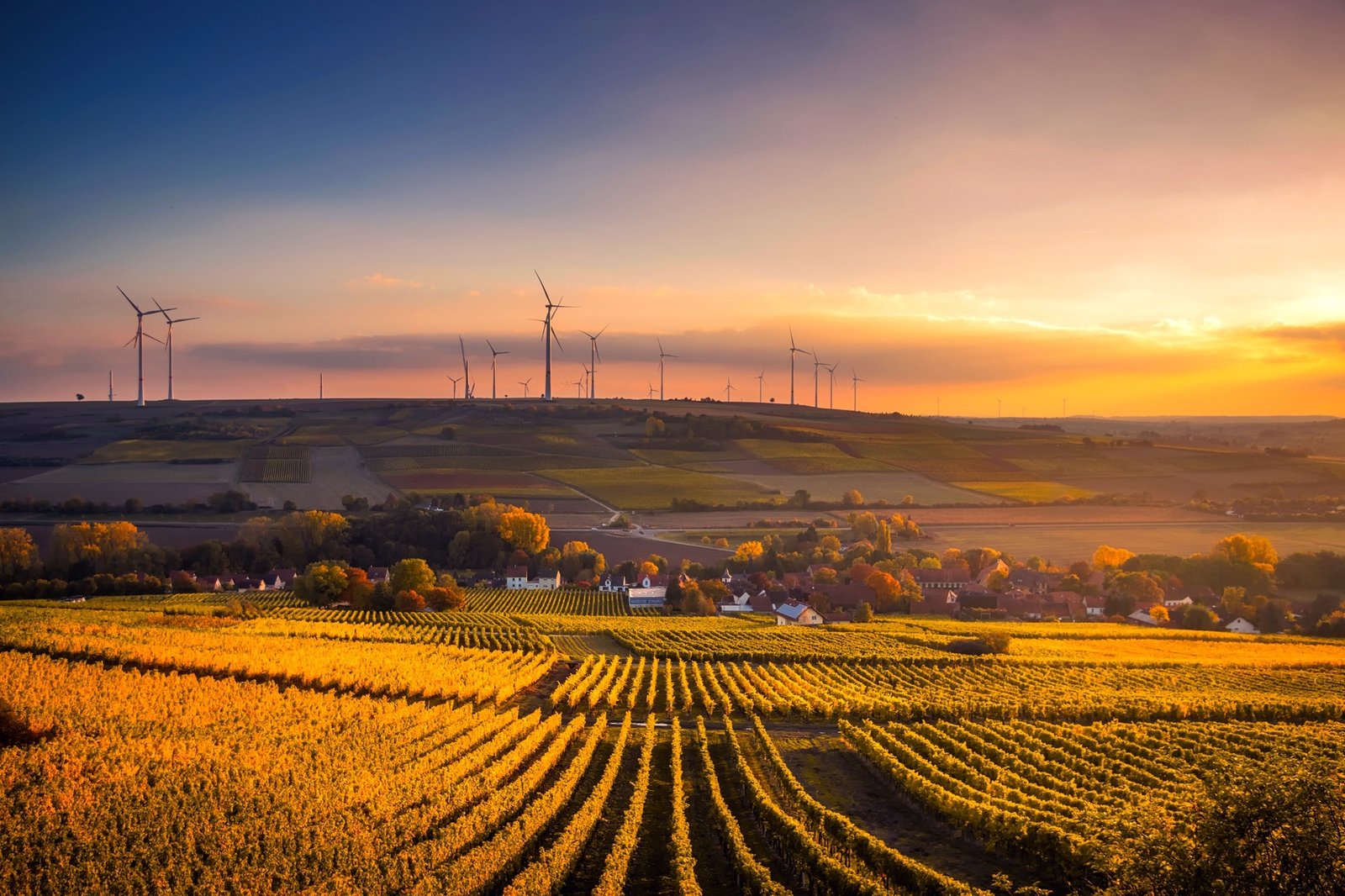
Introduction: The global population is expected to reach 9.7 billion by 2050, placing immense pressure on the agricultural industry to produce more food while minimizing the environmental impact. In this quest for sustainable and efficient farming practices, biofood precision farming emerges as an innovative solution. By integrating technology and biological systems, precision farming approaches can revolutionize the way we grow food. In this blog post, we will explore the concept of biofood precision farming and its potential to shape the future of agriculture. Understanding Biofood Precision Farming: Biofood precision farming is an advanced methodology that combines the principles of precision agriculture with the utilization of organic fertilizers, biopesticides, and natural alternatives to conventional farming techniques. It involves the use of advanced technologies like sensors, data analytics, artificial intelligence, and predictive modeling to monitor and optimize crop production. By leveraging biological systems, such as beneficial insects, microorganisms, and improved plant genetics, biofood precision farming aims to enhance agricultural productivity while minimizing environmental harm. The Key Components of Biofood Precision Farming: 1. Data-driven Decision Making: Biofood precision farming relies on data collected from various sources like soil sensors, satellite imagery, weather stations, and crop models. This information helps farmers make informed decisions about irrigation, nutrient application, crop protection, and precision harvesting. By customizing interventions based on real-time data, farmers can minimize waste and increase yields. 2. Nutrient Management: In biofood precision farming, nutrient management is a critical factor. Organic fertilizers derived from animal waste, green manure, and compost can be utilized to supply essential nutrients to crops. These natural fertilizers enrich the soil and improve its fertility, ultimately enhancing crop health, quality, and yield. 3. Integrated Pest Management (IPM): Biofood precision farming emphasizes the use of IPM strategies to control pests and diseases. Rather than relying solely on chemical pesticides, this approach promotes the use of beneficial insects, botanical extracts, biological controls, and crop rotation to manage pests sustainably. By maintaining a balance in the ecosystem, farmers can reduce the reliance on synthetic pesticides and their associated risks. 4. Smart Irrigation: Water scarcity is a growing concern in agriculture. Biofood precision farming promotes the efficient use of water through precision irrigation techniques. Soil moisture sensors and weather data inform farmers about the crop's water needs, helping them optimize irrigation schedules and reduce water wastage. Benefits and Challenges of Biofood Precision Farming: Benefits: 1. Enhanced Sustainability: Biofood precision farming practices promote sustainable agricultural methods, reducing reliance on synthetic inputs and minimizing the environmental impact. 2. Improved Crop Quality: By optimizing nutrient delivery, pest management, and irrigation, biofood precision farming can enhance the quality of crops, making them healthier and more nutritious. 3. Increased Productivity: Through accurate monitoring and targeted interventions, biofood precision farming can significantly increase agricultural productivity, helping farmers meet the growing demand for food. Challenges: 1. Initial Investment: Adopting biofood precision farming requires significant investment in technology, data infrastructure, and training, which may pose a challenge for small-scale farmers. 2. Technological Accessibility: Ensuring equal access to advanced technologies and expertise is crucial to democratize biofood precision farming and avoid creating a divide between large and small-scale farmers. Conclusion: Biofood precision farming represents a promising pathway towards a more sustainable and productive agriculture industry. By harnessing the power of technology and biological systems, farmers can optimize resource management, increase yields, and reduce the negative impact on the environment. As this innovative farming approach gains momentum, it is essential to foster collaboration among farmers, researchers, and policymakers to ensure its widespread adoption. With biofood precision farming, we can pave the way for a future where food production meets the demands of a growing population while preserving the health of our planet. click the following link for more information: http://www.deleci.com For more info http://www.eatnaturals.com Uncover valuable insights in http://www.biofitnesslab.com for more http://www.mimidate.com
Leave a Comment:
SEARCH
Recent News
- Zurich, Switzerland, is renowned for its picturesque landscapes, vibrant culture, and thriving economy. However, thousands of kilometers away in Russia, agriculture plays a crucial role in the country's economy and food production.
- YouTube Content Creation and Translation: Exploring Russian Agriculture
- Russian agriculture has a long and rich history, being one of the leading agricultural producers in the world. From traditional farming practices to modern technology advancements, Russian agriculture has seen significant growth and development over the years. If you are interested in learning more about this fascinating industry, there is a YouTube channel that is dedicated to showcasing the intricacies of Russian agriculture.
- The development of work skills in the Russian agriculture sector is crucial for ensuring a sustainable and efficient industry. With a vast expanse of arable land and a rich history of agricultural traditions, Russia has the potential to become a global powerhouse in food production. However, this potential can only be realized through the continuous improvement and development of the skills of the workforce involved in the sector.
- Empowering Women in Politics to Drive Progress in Russian Agriculture
- **Exploring the Role of Women in Russian Agriculture**
- Russia is a country known for its vast agricultural lands and rich farming traditions. From the fertile soils of the Black Earth region to the unique climate of the Siberian steppes, Russian agriculture plays a crucial role in feeding the nation and contributing to the global food supply.
- Russian Agriculture: A Growing Industry with Technological Advances
READ MORE
10 months ago Category : xfarming

Zurich, Switzerland, is renowned for its picturesque landscapes, vibrant culture, and thriving economy. However, thousands of kilometers away in Russia, agriculture plays a crucial role in the country's economy and food production.
Read More →10 months ago Category : xfarming

YouTube Content Creation and Translation: Exploring Russian Agriculture
Read More →10 months ago Category : xfarming

Russian agriculture has a long and rich history, being one of the leading agricultural producers in the world. From traditional farming practices to modern technology advancements, Russian agriculture has seen significant growth and development over the years. If you are interested in learning more about this fascinating industry, there is a YouTube channel that is dedicated to showcasing the intricacies of Russian agriculture.
Read More →10 months ago Category : xfarming
